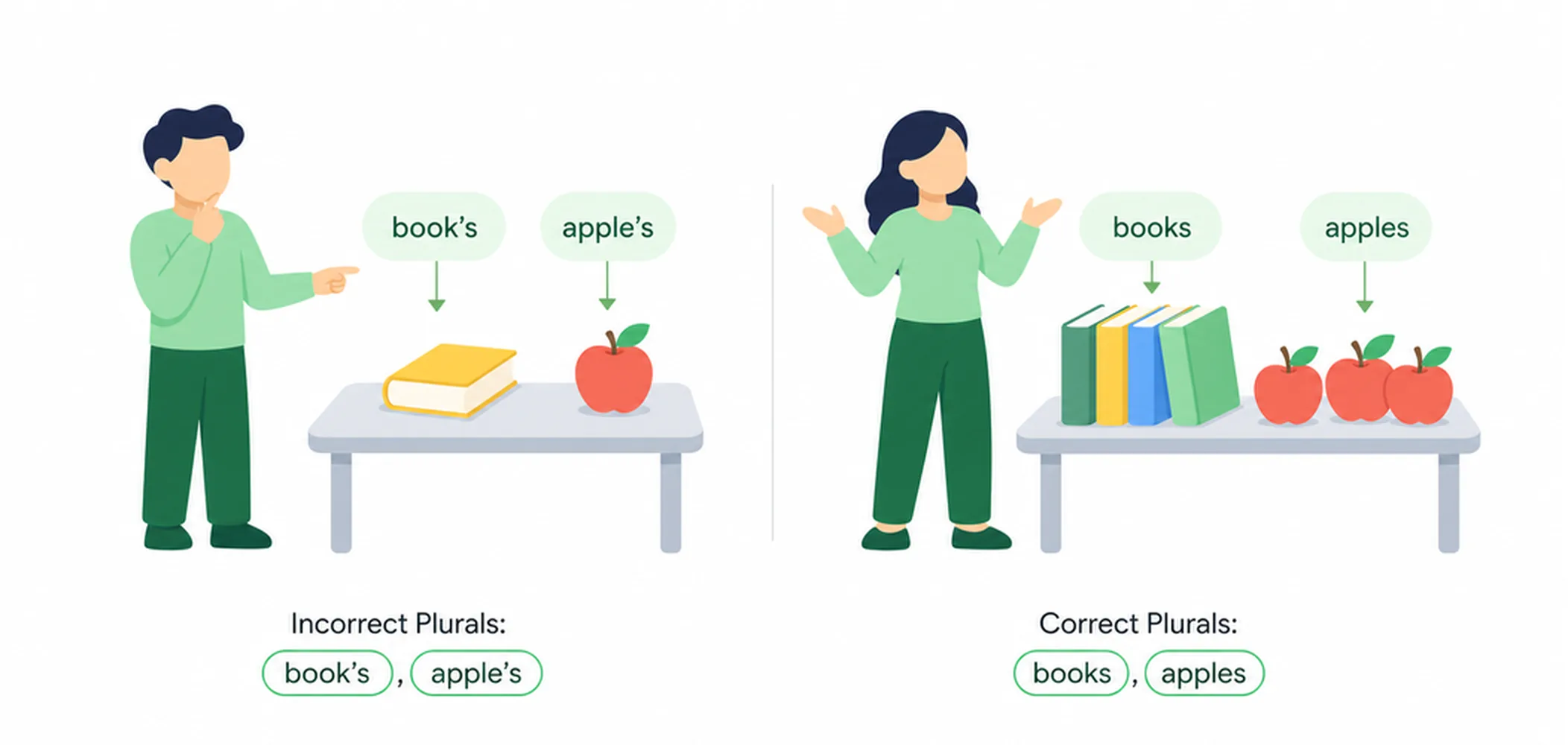
Why Do Learners Make Plural Mistakes?
Plural nouns are tricky because English has many rules and exceptions. Some nouns change in unusual ways. Some nouns don't change at all. Other languages have different plural patterns, so students often use wrong forms. Learning the most common mistakes helps you write and speak correctly.
Common Plural Mistakes at a Glance
| ❌ Incorrect Form | ✅ Correct Plural | Rule Violated |
|---|---|---|
| childs | children | Irregular plural — does not follow the standard +s rule |
| mouses | mice | Irregular plural — internal vowel change (umlaut plural) |
| tooths | teeth | Irregular plural — internal vowel change |
| informations | information (no plural) | Uncountable noun — cannot be pluralised; use "pieces of information" |
| advices | advice (no plural) | Uncountable noun — use "pieces of advice" |
| criterias | criteria | Criteria is already plural; singular is criterion |
| phenomenons | phenomena | Greek-origin noun — plural uses -a ending |
| syllabus's / syllabi (over-corrected) | syllabuses | Latin-origin noun — standard English plural is -es |
| passersbys | passersby | Compound noun — +s attaches to the head noun (passers), not the whole word |
| brother-in-laws | brothers-in-law | Compound noun — pluralise the principal noun, not the modifier |
| oxes | oxen | Old English plural — uses -en ending |
| sheeps | sheep | Zero plural — singular and plural forms are identical |
| deers | deer | Zero plural — no change between singular and plural |
| catchs | catches | Nouns ending in -ch take -es, not -s |
| leafs | leaves | Nouns ending in -f / -fe often change to -ves |
| roofs → roves | roofs | Over-applying the -f → -ves rule; some -f words just add -s |
| potatos | potatoes | Nouns ending in a consonant + -o usually take -es |
| studios → studioes | studios | Nouns ending in a vowel + -o take only -s |
| citys | cities | Consonant + -y endings: change y → i and add -es |
| monkies | monkeys | Vowel + -y endings: just add -s, do not change y |
Examples
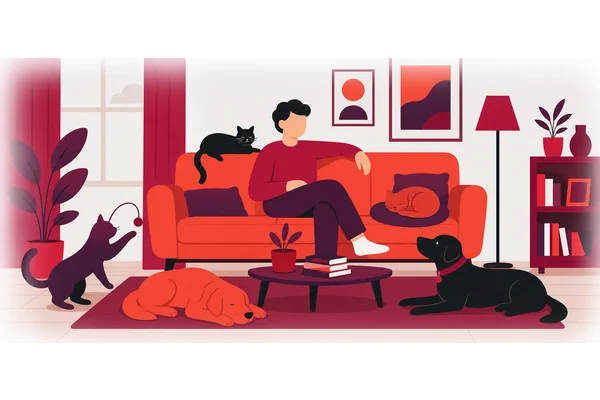
I have three cats and two dogs at home.
Countable regular nouns · Add 's'

There are many people in the classroom.
Irregular plural · Common mistake area
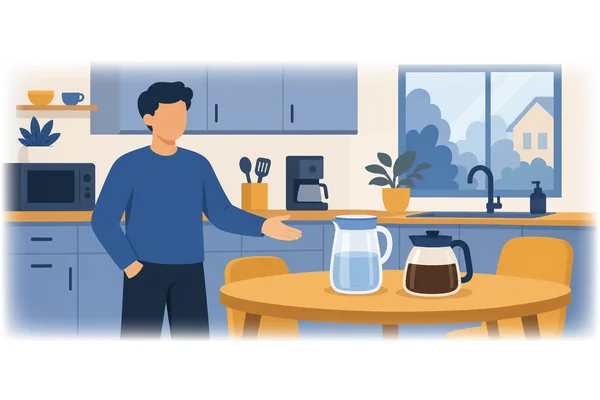
Would you like some water or coffee?
Uncountable nouns · No plural form
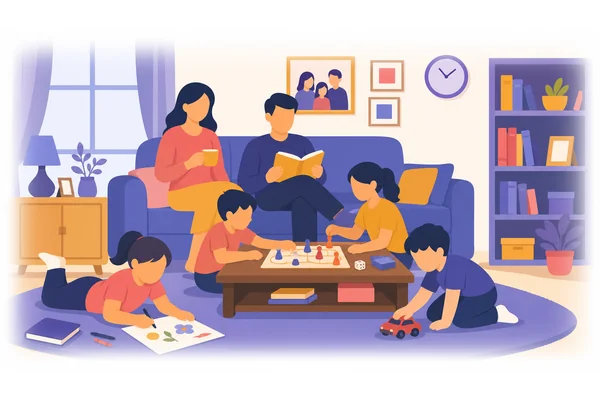
My family has six members.
Countable noun · Use singular verb 'has'
Signal words
one
two
three
many
several
a lot of
some
few
these
those
Common Mistakes
✕
Wrong
I have three child in my family.
✓
Correct
I have three children in my family.
Child is irregular. The plural is 'children', not 'childs'.
✕
Wrong
I need to buy three new pair of shoes for work.
✓
Correct
I need to buy three new pairs of shoes for work.
When counting multiple items, use the plural form 'pairs' instead of the singular 'pair'.
✕
Wrong
I ate five breads for breakfast.
✓
Correct
I ate five pieces of bread for breakfast.
Bread is uncountable. Use 'a piece of bread' or 'some bread', not 'breads'.
✕
Wrong
There are many informations on the website.
✓
Correct
There is a lot of information on the website.
Information is uncountable. Use 'information' (singular) or 'a lot of information'.
✕
Wrong
I saw two mouses in the kitchen.
✓
Correct
I saw two mice in the kitchen.
Mouse is irregular. The plural is 'mice', not 'mouses'.
✕
Wrong
She has many equipments for the gym.
✓
Correct
She has a lot of equipment for the gym.
Equipment is uncountable. Don't add 's' to make it plural.
✕
Wrong
I read two book yesterday.
✓
Correct
I read two books yesterday.
Book is countable. Add 's' to make the plural form.
KEY TAKEAWAYS
What to Remember
- Most nouns add -s to make the plural form.
- Nouns ending in -s, -ss, -sh, -ch, or -x need -es.
- Nouns ending in consonant + y change the y to -ies.
- Some nouns are irregular and don't follow regular plural rules.
- Some nouns stay the same in both singular and plural forms.