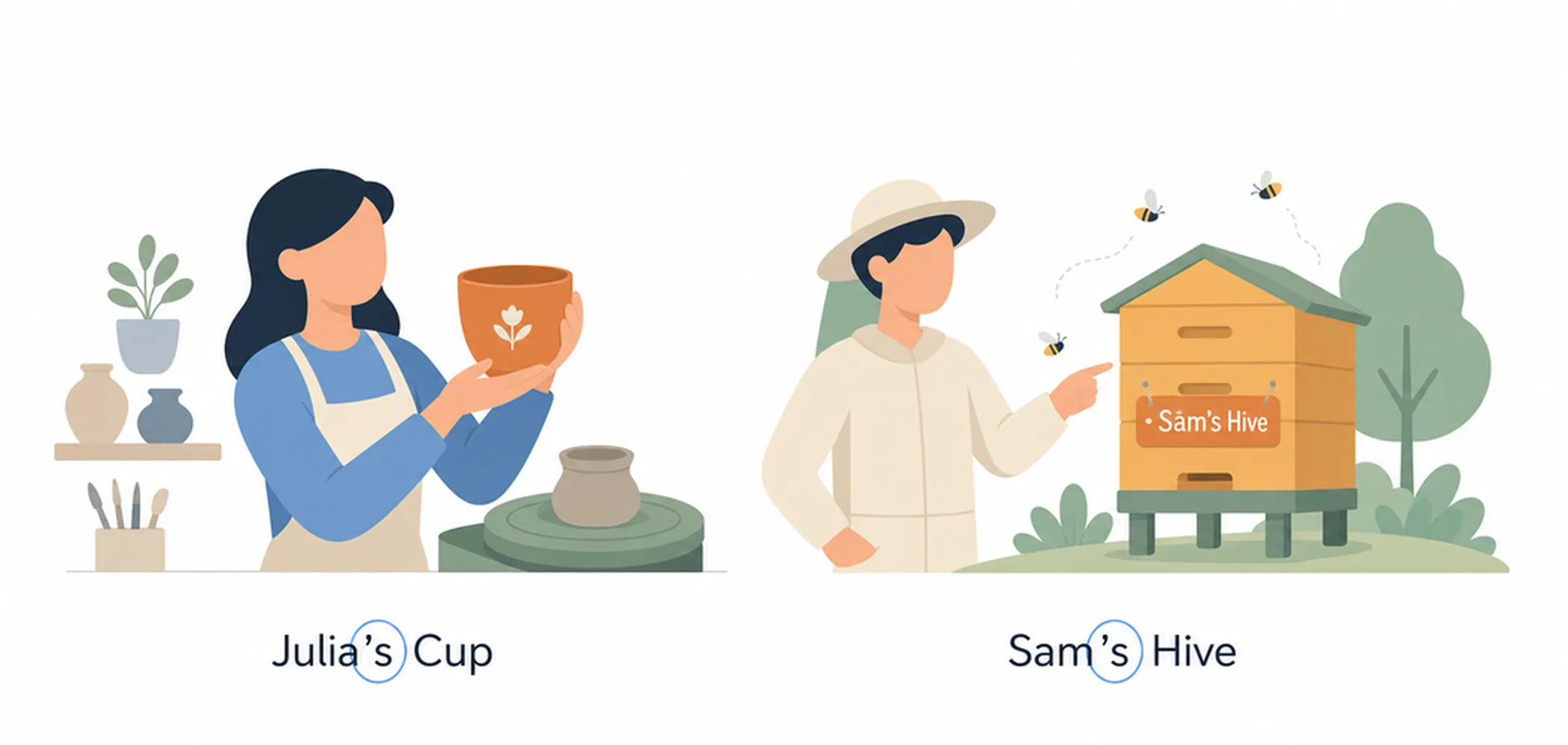
What is Apostrophe S ('s)?
Apostrophe s ('s) is used in English to show that something belongs to someone or something. It shows possession or ownership. We add 's to a noun to show what it owns. This is called the possessive form. For example, if a book belongs to Sarah, we say "Sarah's book."
How to Use Apostrophe S
The basic rule is simple: add apostrophe + s to the owner's name or noun. If the noun is singular (one person or thing), add 's. If the noun is plural and already ends in -s, add only the apostrophe after the s. For example: "the students' classroom" (many students, plural). Remember: apostrophe s comes BEFORE the thing that is owned.
Singular vs Plural Nouns
| Noun Type | Rule | Example |
|---|---|---|
| Singular nouns | Add 's | John's car, the teacher's book, my friend's house |
| Regular plural nouns (ending in -s) | Add apostrophe only | the teachers' books, the students' classroom, the cats' toys |
| Irregular plural nouns (not ending in -s) | Add 's | the children's toys, the women's room, the men's coats |
Irregular plural nouns do not follow the standard -s pattern. Common examples include "children," "women," "men," "feet," and "geese." Because these plurals do not end in -s, you should add 's to show possession, just as you would with singular nouns.
Singular vs Plural Possessives: Side-by-Side Comparison
| Category | Singular Noun | Regular Plural Noun (ends in -s) |
Irregular Plural Noun (does not end in -s) |
|---|---|---|---|
| Rule | Add 's to the end of the noun | Add only an apostrophe (') after the existing -s | Add 's to the end of the noun (same as singular) |
| Base Noun | dog | dogs | children |
| Possessive Form | dog's | dogs' | children's |
| Example Phrase | the dog's collar | the dogs' collars | the children's toys |
| More Base Noun Examples | cat, teacher, James, company | cats, teachers, companies, students | men, women, mice, geese, people |
| More Possessive Examples | cat's, teacher's, James's, company's | cats', teachers', companies', students' | men's, women's, mice's, geese's, people's |
| More Example Phrases | the cat's food; the teacher's desk; James's car; the company's policy | the cats' food; the teachers' lounge; the companies' profits; the students' books | the men's team; the women's room; the mice's nest; the people's choice |
| When to Use | When only one owner is referred to | When more than one owner is referred to and the plural already ends in -s | When more than one owner is referred to but the plural does not end in -s |
| Number of Owners | One (1) | Two or more (2+) | Two or more (2+) |
| Ends in -s Before Apostrophe? | No (apostrophe + s added) | Yes (apostrophe only added) | No (apostrophe + s added) |
| Common Mistake to Avoid | Writing dogs (no apostrophe) instead of dog's — this is just a plural, not possessive | Writing dogs's — never add 's after an existing plural -s | Writing childrens' — do not treat irregular plurals like regular ones; always add 's |
| Special Case: Names Ending in -s | Both James's and James' are widely accepted; follow your style guide consistently | N/A | N/A |
| 🔑 Key Difference: The deciding factor is always the plural form of the noun, not simply whether it ends in -s. If the plural already ends in -s (regular plurals like dogs, teachers, companies), add only an apostrophe after the -s. If the plural does not end in -s (irregular plurals like children, men, women), treat it exactly like a singular noun and add 's. For all singular nouns, always add 's regardless of their ending. | |||
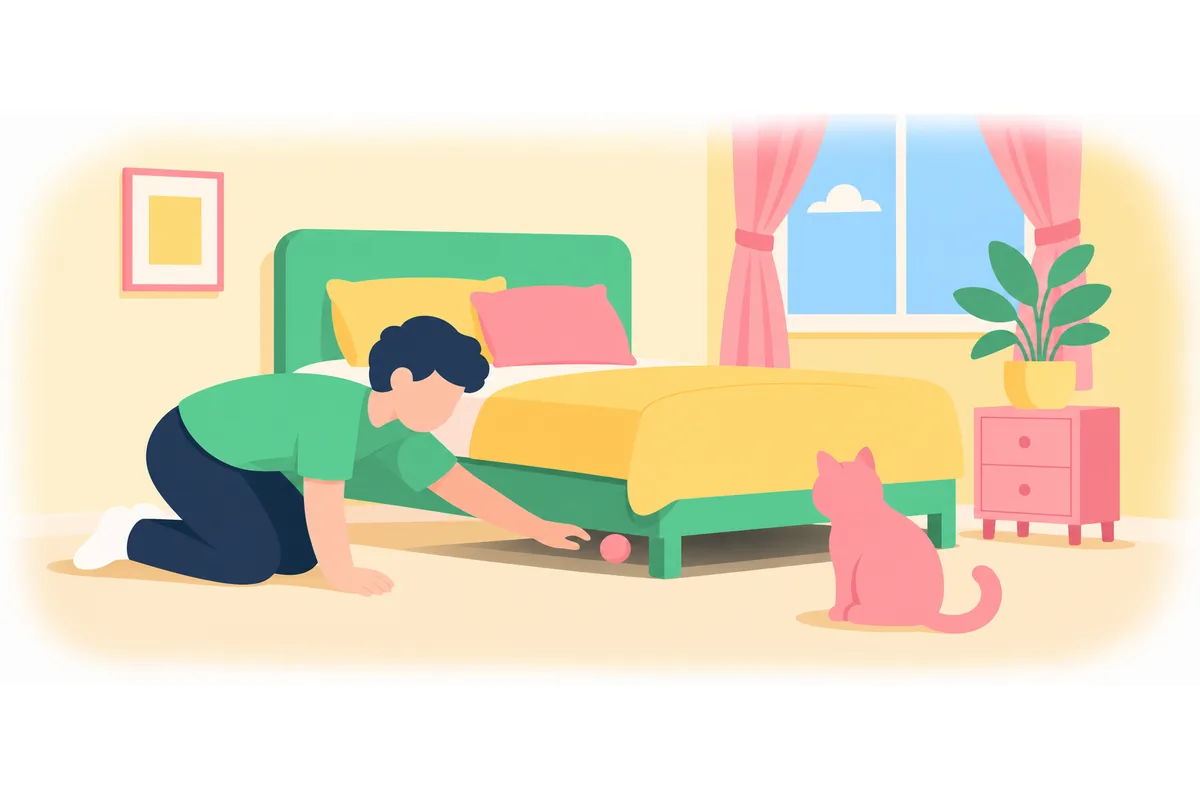
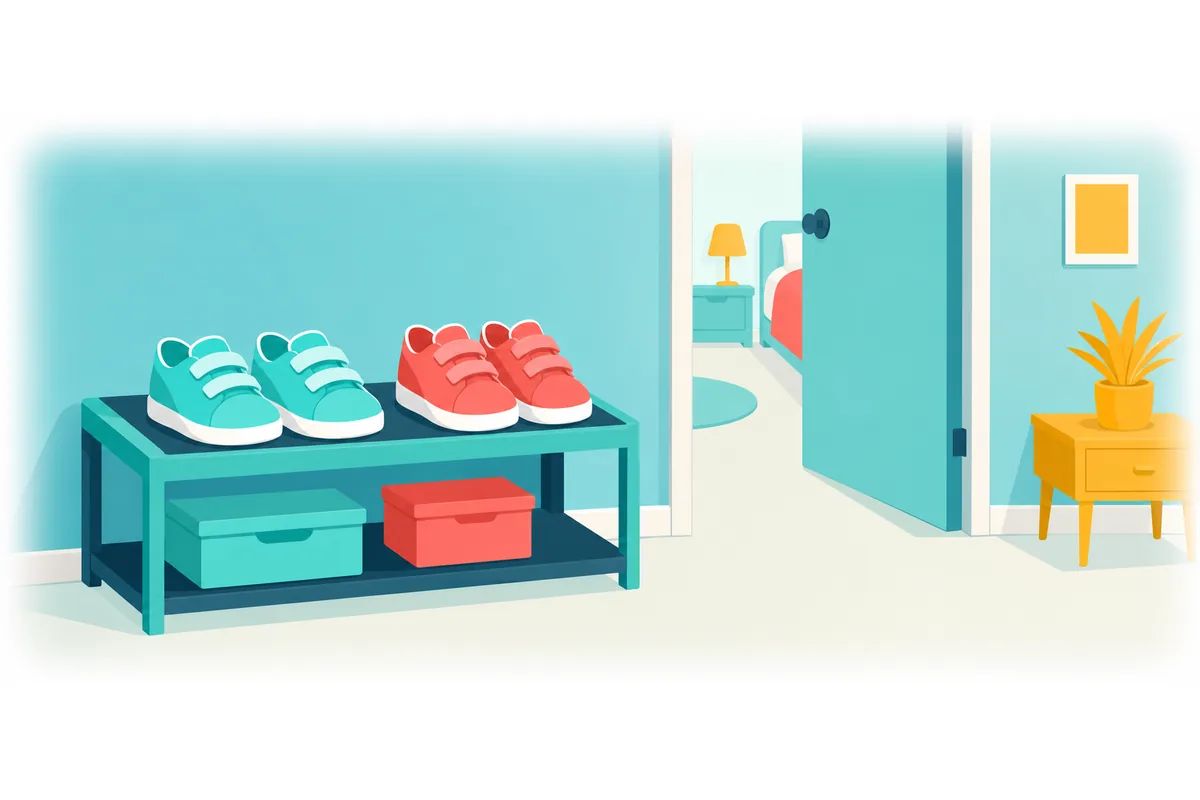
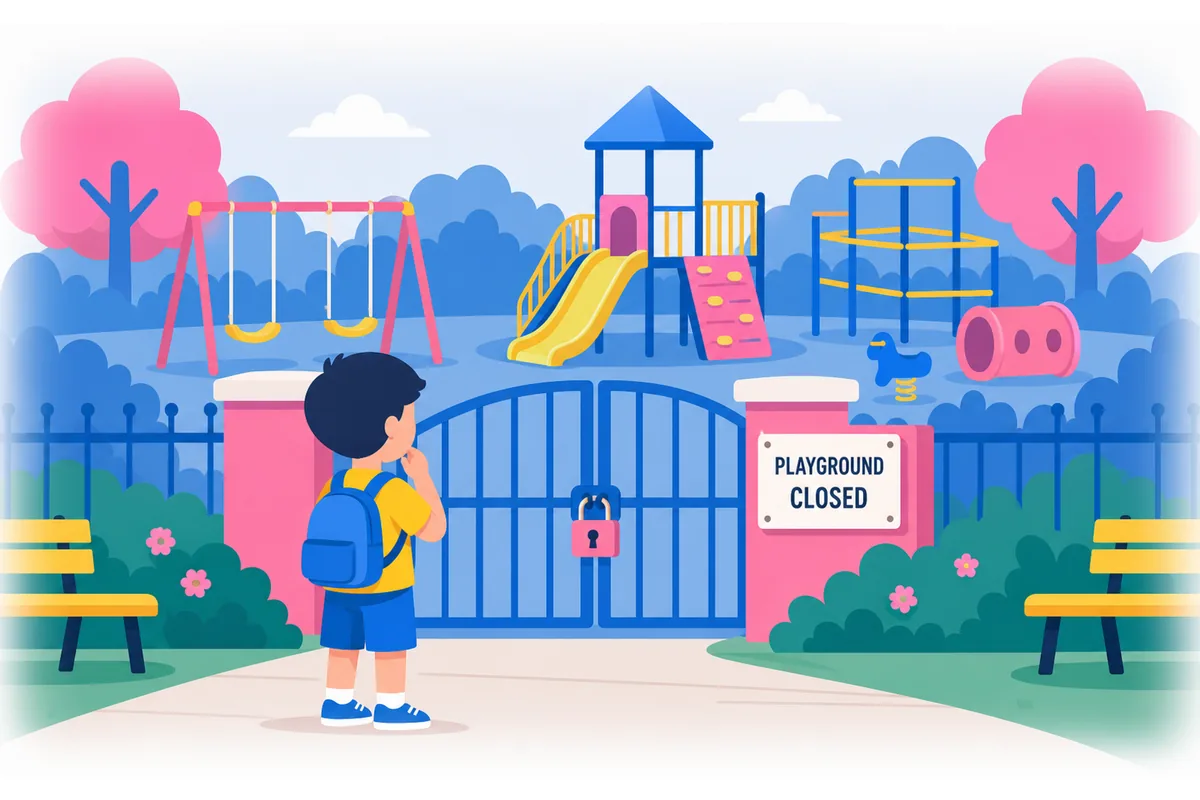
Examples



What to Remember
- Add 's to singular nouns to show possession, for example: Sarah's book or the cat's toy.
- For plural nouns ending in -s, add only the apostrophe after the s, for example: the dogs' house.
- The possessive form shows that something belongs to or is owned by a person or thing.
- Use apostrophe s to connect the owner to what they own in a single phrase.
- Don't confuse possessive 's with contractions like it's (it is) or they're (they are).