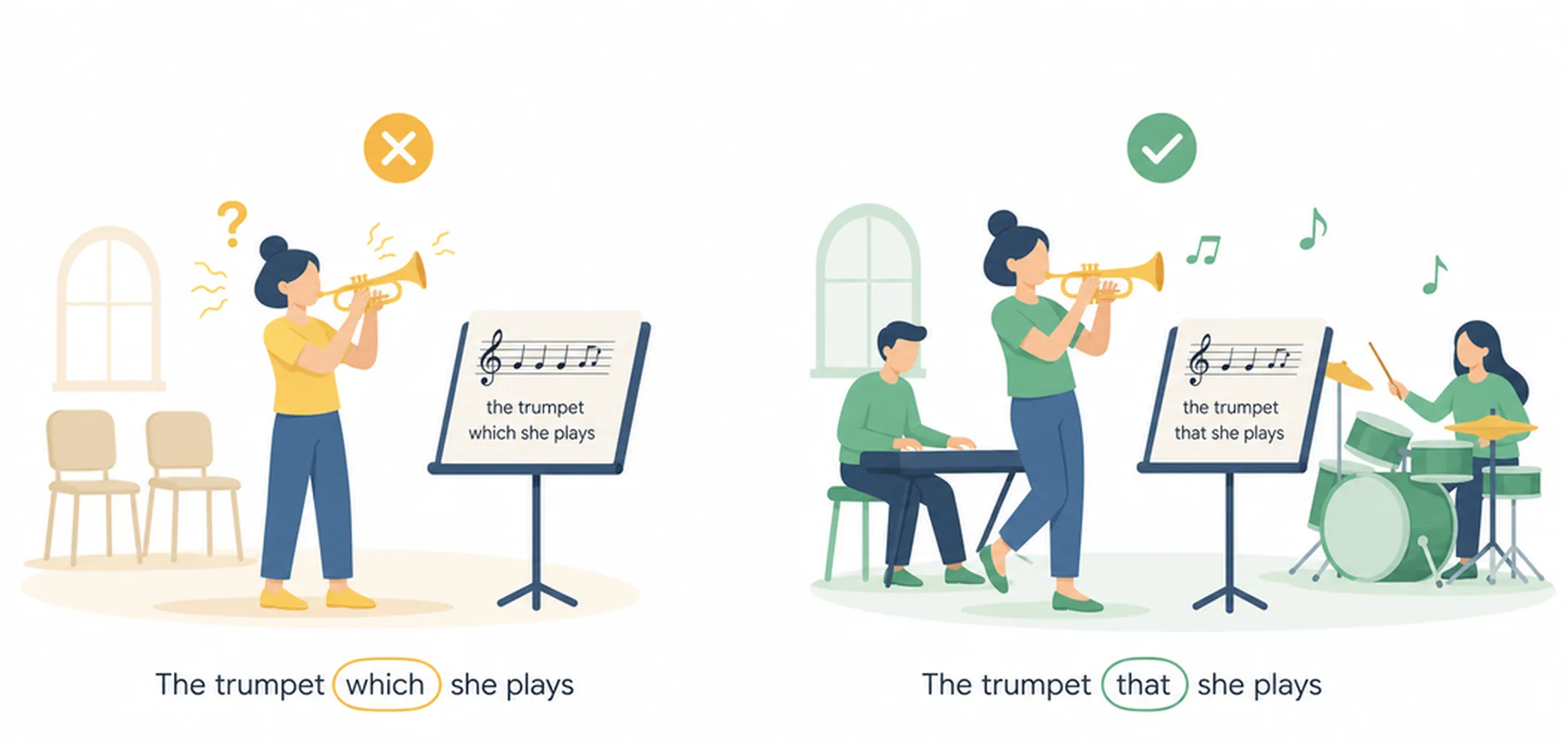
Why Relative Clauses Are Tricky
Relative clauses are used to add information about nouns, but they confuse many B1 learners because they require careful attention to pronouns, word order, and punctuation. The main problems occur when learners forget the relative pronoun, use the wrong pronoun, or place the clause in the wrong position. Understanding these common mistakes will help you write and speak more accurately.
Which Relative Pronoun Should I Use? — Decision Flowchart
Choosing the correct relative pronoun depends on the function of the noun in the clause (subject, object, possessive) and whether it refers to a person, thing, or possession. Use this guide to select the appropriate pronoun for your sentence.
| Relative Pronoun | Use For | Example |
|---|---|---|
| who | Subject or object pronoun for people | The woman who called yesterday is my aunt. / The man whom I met was kind. |
| whom | Object pronoun for people (formal; increasingly optional) | The friend whom she trusts most lives abroad. |
| which | Subject or object pronoun for things and animals | The car which he bought is blue. / The book which I read was excellent. |
| that | Subject or object pronoun for people, things, or animals in restrictive clauses | The student that won the award is in my class. / The phone that I lost was old. |
| whose | Possessive pronoun for people, things, or animals | The woman whose coat is red is a teacher. / The tree whose branches are broken will recover. |
Key Rule: Subject vs. Object
Use who, which, or that when the relative pronoun is the subject of the clause. Use whom when it is the object of a verb or preposition. Test: replace the pronoun with "he/she" (subject) or "him/her" (object).
Restrictive vs. Non-Restrictive Clauses
In restrictive clauses (essential information), use that or which for things. In non-restrictive clauses (additional information), use which, never that. Example: "The book that I lost was valuable" (restrictive) vs. "My textbook, which I lost, was valuable" (non-restrictive).
Common Mistake: Using which for people
Do not use which for people. Always use who (subject), whom (object), or that (either). Incorrect: "The teacher which taught us was excellent." Correct: "The teacher who taught us was excellent."
Examples

The woman who helped me is a doctor.
Defining relative clause · Subject relative pronoun

The book that you recommended is excellent.
Defining relative clause · Object relative pronoun (can omit 'that')
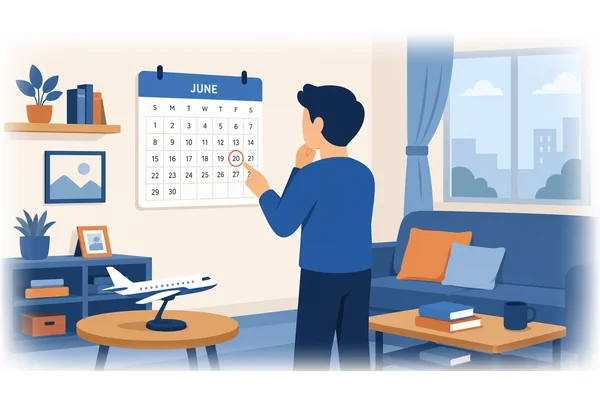
My friend whose father is a pilot will visit next month.
Possessive relative pronoun · Shows ownership
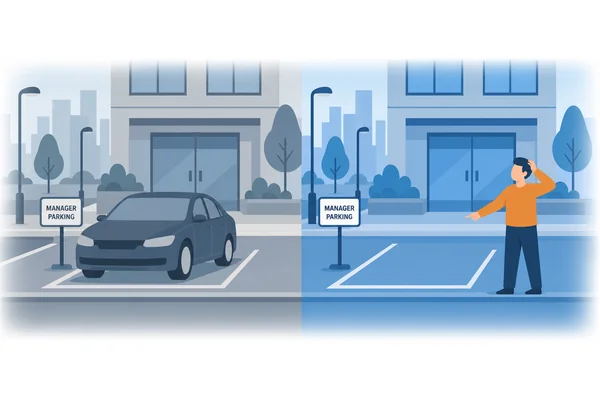
The car that was parked outside, which belonged to the manager, is now gone.
Non-defining relative clause · Gives extra information with commas
When to use it
Everyday Conversations
Use relative clauses to describe people or things clearly without starting a new sentence.
"The girl who sits next to me in class is very smart."
Writing & Essays
Combine sentences using relative clauses to make your writing flow better and sound more natural.
"Students who study regularly perform better in exams."
Adding Extra Details
Use non-defining relative clauses (with commas) to provide additional information without changing the main meaning.
"My teacher, who has taught here for 10 years, is retiring."
Signal words
who
whom
which
that
whose
when
where
Common Mistakes
✕
Wrong
The car which I bought it is very fast.
✓
Correct
The car which I bought is very fast.
Don't repeat the object with a pronoun. Use either 'which I bought' or 'that I bought', not both.
✕
Wrong
The man that he works here is my uncle.
✓
Correct
The man who works here is my uncle.
Don't repeat the subject. Use 'who works here' (subject), not 'he works here'.
✕
Wrong
This is the book what I told you about.
✓
Correct
This is the book that I told you about.
'What' is not a relative pronoun. Use 'that', 'which', or nothing: 'the book I told you about'.
✕
Wrong
She has a daughter that her name is Emma.
✓
Correct
She has a daughter whose name is Emma.
Use 'whose' for possession, not 'that' + 'her'. 'Whose' replaces the possessive adjective.
✕
Wrong
The reason why he left it was unclear.
✓
Correct
The reason he left was unclear.
After 'reason', omit 'why'. Use just the relative clause without 'why' or use 'that'.
✕
Wrong
The girl who I met her yesterday is kind.
✓
Correct
The girl I met yesterday is kind.
The relative pronoun is the object, so you can omit it. Don't add 'her' afterward.
✕
Wrong
The children which play in the park are happy.
✓
Correct
The children who play in the park are happy.
Use 'who' for people, 'which' for things. Here, 'children' are people, so use 'who'.
KEY TAKEAWAYS
What to Remember
- Always include a relative pronoun (who, which, that) to introduce the relative clause clearly.
- Place the relative clause immediately after the noun it describes to avoid confusion.
- Use who for people, which for things, and that for both people and things.
- Add commas around the relative clause only if it gives extra information, not if it identifies the noun.
- Never repeat the noun with a pronoun inside the relative clause after using a relative pronoun.