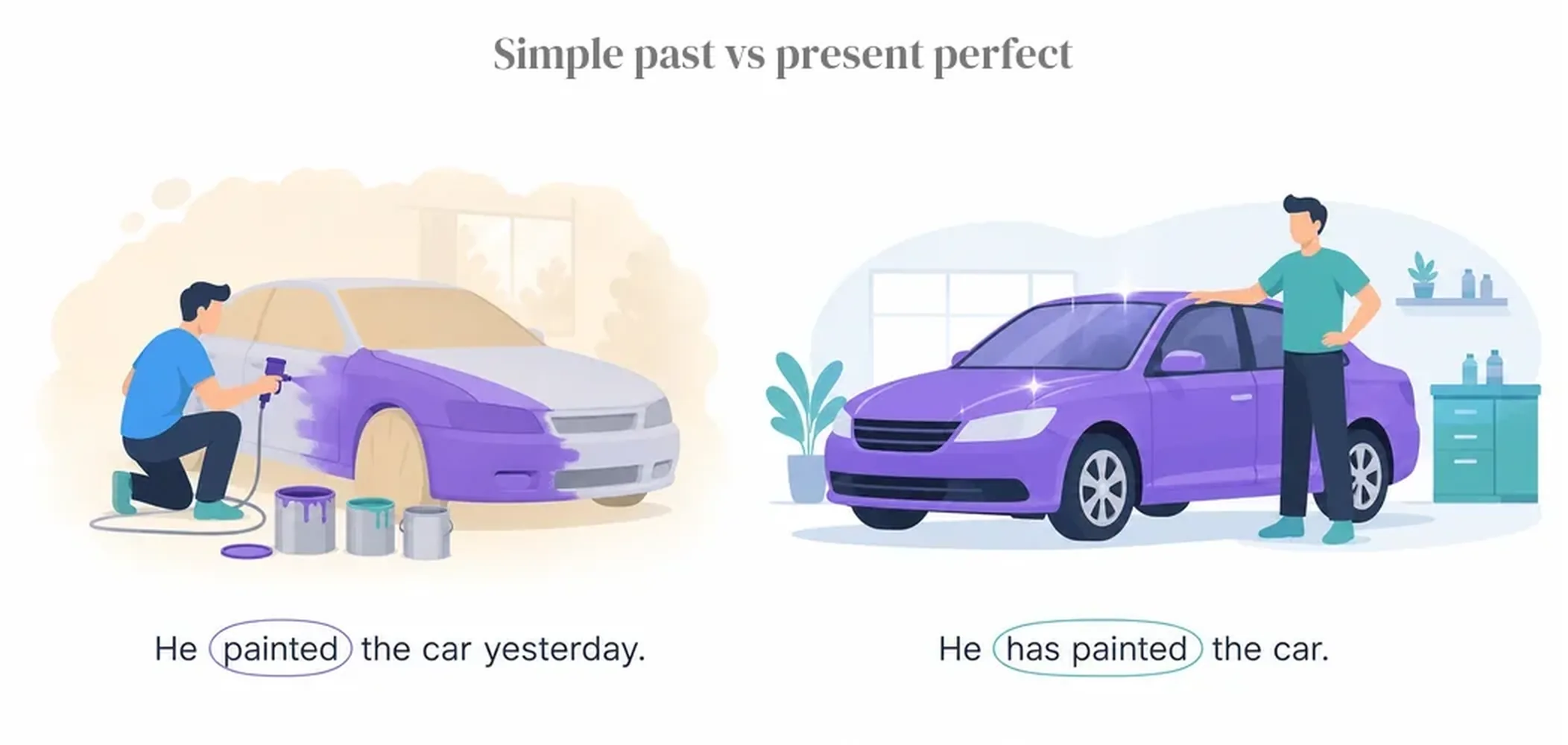
Simple Past vs Present Perfect
The simple past and present perfect are both used to talk about things that happened before now. But they have different uses. Simple past is for finished actions at a finished time. Present perfect is for actions that started in the past and connect to now, or happened recently.

Key Differences
Simple past: Use this when the action is finished and the time is finished. Example: 'I ate lunch at 12 o'clock.' Present perfect: Use this when the action is finished but the result is important now, or we don't know when it happened. Example: 'I have eaten lunch' (the time is not important).
Simple Past vs Present Perfect: Side-by-Side Comparison
| Category | Simple Past | Present Perfect |
|---|---|---|
| Form | Subject + verb (past simple / V2) Regular verbs add -ed; irregular verbs use their own past form. e.g. worked, went, saw |
Subject + have / has + past participle (V3) Use has with he / she / it; have with all others. e.g. have worked, has gone, have seen |
| When to use |
• A completed action at a specific, known time in the past • A sequence of finished past events • Situations that existed for a period but are now over • Used when the time is stated or clearly understood |
• A past action with a connection to the present (result, relevance) • An experience at an unspecified time in the past • An action that started in the past and continues now • A recently completed action whose effect is still felt |
| Positive example | She visited Paris last summer. (specific time: last summer) |
She has visited Paris. (at some point; experience relevant now) |
| Negative example | They didn't watch the film yesterday. (specific time: yesterday) |
They haven't watched the film yet. (still not done; still relevant) |
| Question example | Did you call him this morning? (specific time: this morning — now over) |
Have you ever called him? (any time in life; unspecified) |
| Key signal words | yesterday · last (week / month / year) · ago · in + past year (e.g. in 2010) · when · then · at that time · once · the other day | ever · never · already · yet · just · recently · lately · so far · up to now · since · for · once / twice / three times |
| Time reference | The time of the action is finished and separate from the present. The speaker thinks of the event as belonging to the past. | The time is not fully over or the action has a present consequence. The speaker sees a bridge between past and now. |
| Common learner error | ❌ I have seen him yesterday. ✅ I saw him yesterday. (Specific time requires Simple Past) |
❌ I already told you last night. ✅ I have already told you. (No specific time — use Present Perfect) |
| 🔑 Key Difference: The Simple Past is used when the time of the action is known, stated, or implied as finished — it places the event firmly in the past with no direct link to now. The Present Perfect is used when the exact time is unimportant or unknown, or when the action has a result, relevance, or connection to the present moment. A simple test: if you can add a specific past time expression (e.g. yesterday, last year, in 2005), use the Simple Past. If the focus is on experience, recent events, or ongoing relevance, use the Present Perfect. | ||
Formula
✔ Positive
Subject
+
verb (past)
+
object
I walked to school.
✖ Negative
Subject
+
did not
+
verb (base)
I did not walk to school.
Examples
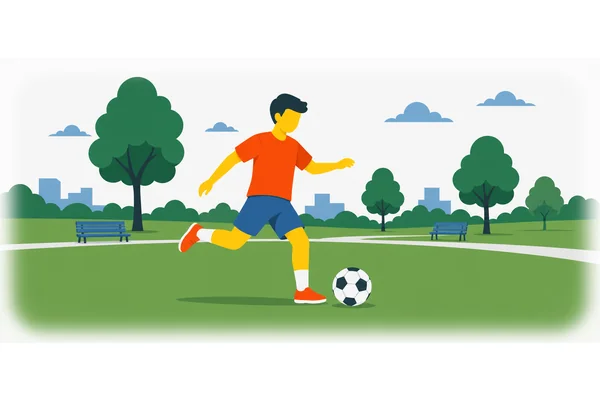
I played football yesterday.
Simple past · Finished action at finished time

She visited Paris in 2019.
Simple past · Specific past time

They went to the beach last summer.
Simple past · Finished time period
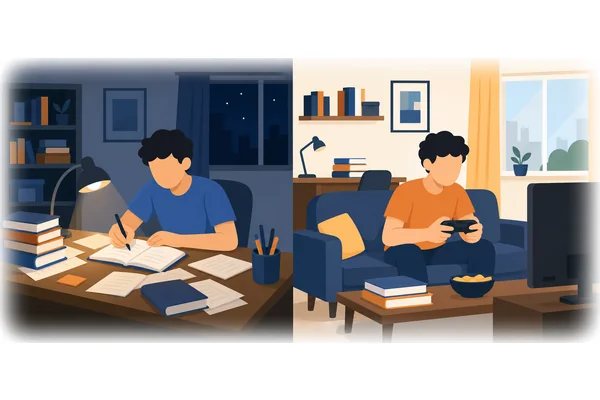
I have finished my homework.
Present perfect · Recent action, result matters now

She has lived in this city for 5 years.
Present perfect · Action from past to now
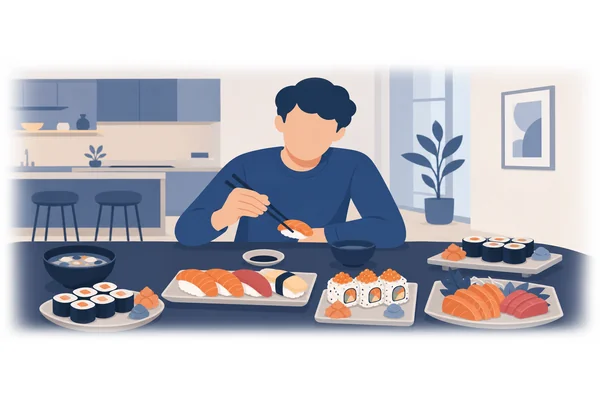
Have you ever eaten sushi?
Present perfect · Life experience, time unknown
When to use it
Finished Time
Use simple past when you say exactly when something happened. The time is finished and complete.
"I bought a car in 2018."
Connection to Now
Use present perfect when an action from the past is still important or connected to the present moment.
"I have learned English for 2 years."
Experience
Use present perfect to ask or talk about experiences in someone's life when the time is not important.
"Have you ever traveled to another country?"
Signal words
yesterday
last week
in 2020
ago
ever
never
just
already
for
since
yet
Common Mistakes
✕
Wrong
I have gone to the cinema yesterday.
✓
Correct
I went to the cinema yesterday.
Don't use present perfect with finished time (yesterday). Use simple past instead.
✕
Wrong
She eat the apple 2 hours ago.
✓
Correct
She ate the apple 2 hours ago.
Past time (2 hours ago) needs simple past form, not base verb. The verb form must change.
✕
Wrong
I am knowing him for 10 years.
✓
Correct
I have known him for 10 years.
Use present perfect (have + past participle) for duration from past to now, not present continuous.
KEY TAKEAWAYS
What to Remember
- Use simple past for actions completed at a specific time in the past.
- Present perfect connects past actions to the present moment or recent time.
- Simple past uses finished time expressions like "yesterday" or "last week."
- Present perfect uses unfinished time expressions like "since" or "for" or "yet."
- Do not use present perfect when you specify exactly when something happened.