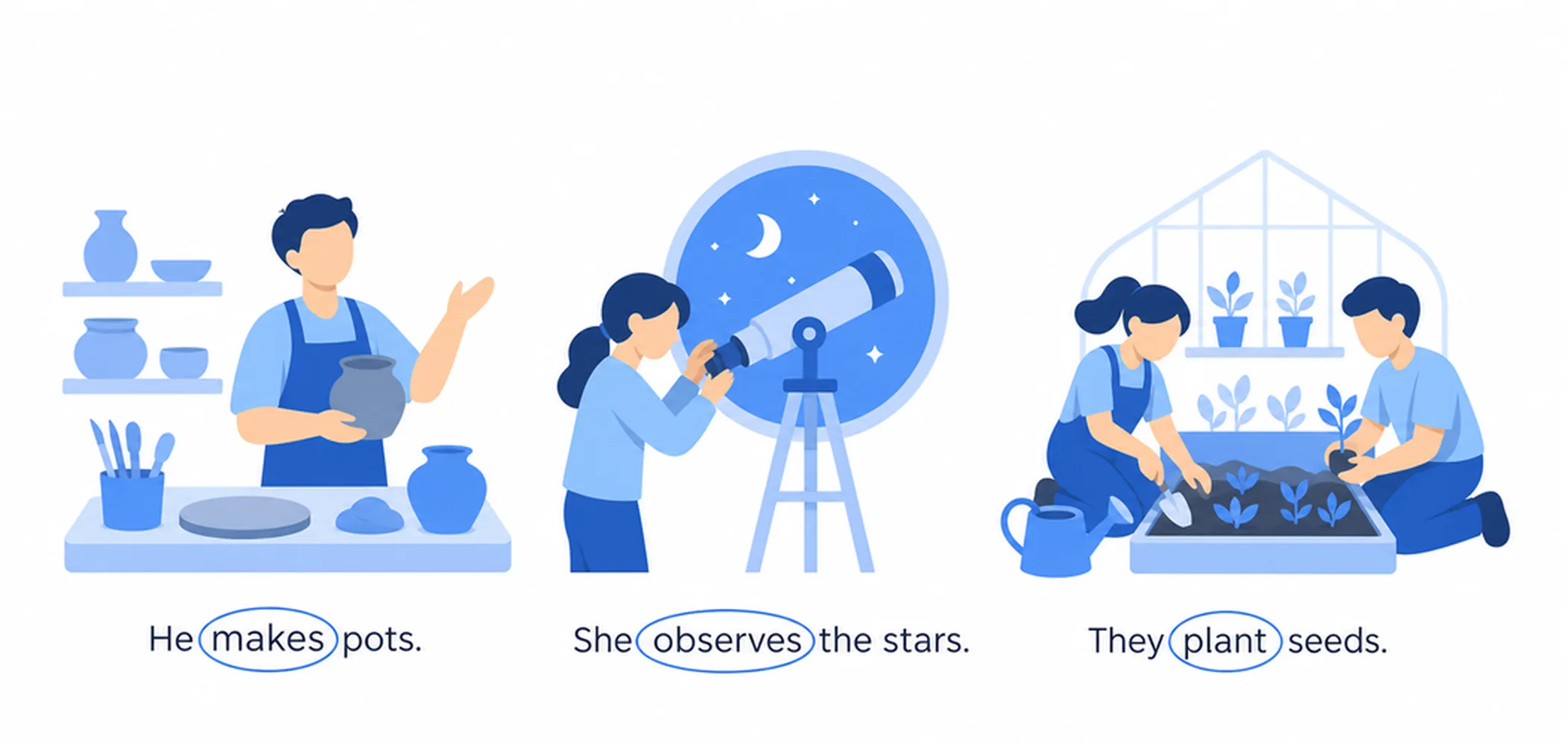
What is the Simple Present Tense?
The simple present tense is used to talk about actions that happen regularly or facts that are always true. It is one of the most important tenses in English. We use it for daily habits, routines, and permanent situations. For example: 'I drink coffee every morning' or 'She lives in London.' The simple present tense helps us describe what we do now and what we do again and again.

Key Characteristics
The simple present tense uses the base form of the verb for most subjects. However, when the subject is he, she, or it (singular third person), we add -s or -es to the verb. For negative sentences, we use 'do not' or 'does not' before the verb. For questions, we put 'do' or 'does' at the beginning. Remember: the verb stays the same for I, you, we, and they, but changes for he, she, and it.
Simple Present Tense Conjugation
| Pronoun | Positive | Negative | Question |
|---|---|---|---|
| I | I work | I do not work / I don't work | Do I work? |
| You (singular) | You work | You do not work / You don't work | Do you work? |
| He | He works | He does not work / He doesn't work | Does he work? |
| She | She works | She does not work / She doesn't work | Does she work? |
| It | It works | It does not work / It doesn't work | Does it work? |
| We | We work | We do not work / We don't work | Do we work? |
| You (plural) | You work | You do not work / You don't work | Do you work? |
| They | They work | They do not work / They don't work | Do they work? |
|
📝 Special Rules & Irregular Forms: • Third person singular (he/she/it): Add -s to the base verb → works, plays, runs. • Verbs ending in -s, -sh, -ch, -x, -z, -o: Add -es → watches, goes, fixes. • Verbs ending in consonant + y: Drop -y, add -ies → study → studies, try → tries. • Irregular verb "to be": I am / you are / he/she/it is / we/you/they are. • Irregular verb "to have": he/she/it has (not haves). • Negatives & questions use the auxiliary do/does; the main verb returns to its base form (no -s) → Does he work? (not Does he works?). |
|||
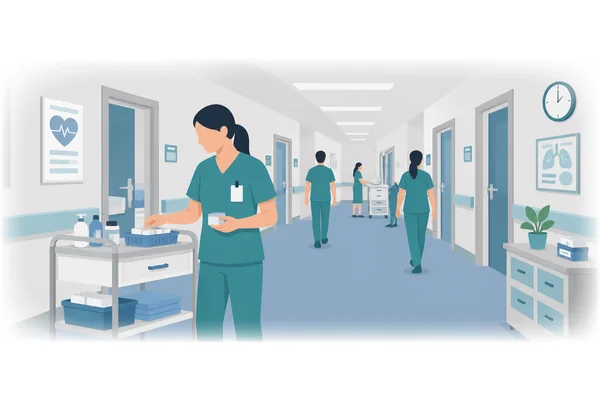
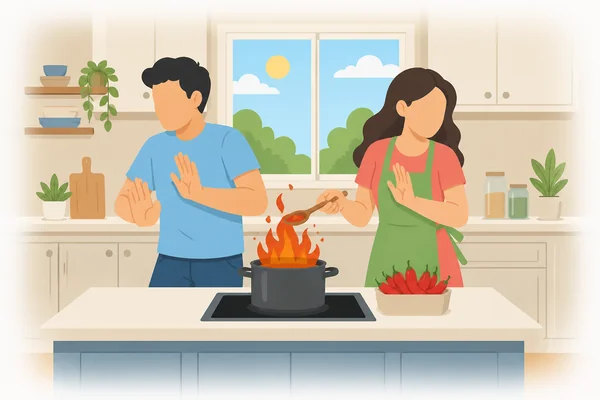
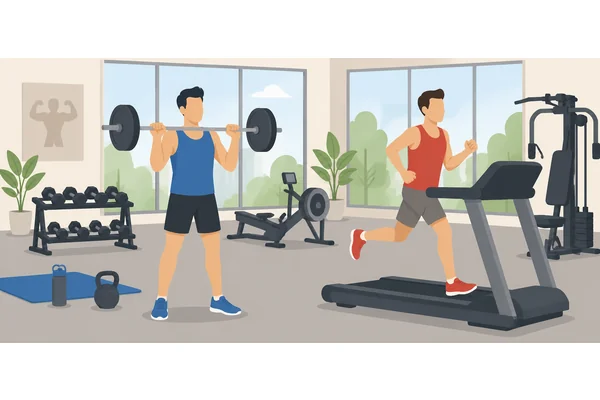
Examples



What to Remember
- Use simple present for habits, routines, and facts that are always true.
- Most subjects use the base form of the verb without changes.
- Add -s or -es to the verb when the subject is he, she, or it.
- Use simple present to describe what you do regularly or what is true now.
- Do not add -s or -es to I, you, we, or they in simple present tense.