
Understanding Frequency Adverbs in Questions and Negatives
Adverbs of frequency (always, usually, often, sometimes, rarely, never) follow different word order rules in questions and negative sentences compared to positive statements. In questions and negatives, the frequency adverb typically moves to a later position in the sentence, after the auxiliary verb (do/does/did) or the main verb. Understanding these patterns will help you form grammatically correct sentences.
Word Order Formulas for Questions and Negatives
Frequency adverbs follow specific word order patterns depending on whether the sentence is positive, negative, or a question. Use the patterns below as a reference guide.
Pattern 1: Positive Statements
Simple Present Verb
Subject + [frequency adverb] + main verb + object
Example: She always drinks coffee in the morning.
With the Verb "Be"
Subject + be + [frequency adverb] + complement
The adverb comes after the verb "be", not before.
Example: He is usually late for class.
Pattern 2: Negative Statements
There are two common patterns for negatives with frequency adverbs:
Pattern A: Adverb Before Auxiliary + Not
Subject + [frequency adverb] + do/does + not + main verb + object
Example: They hardly ever do not miss a class.
Pattern B: Don't/Doesn't + Adverb (More Common in Speech)
Subject + do/does + not + [frequency adverb] + main verb + object
Example: They don't hardly ever miss a class.
With the Verb "Be" in Negative
Subject + be + not + [frequency adverb] + complement
Example: He is not usually late for class.
Pattern 3: Questions
Do/Does Questions
Do/Does + subject + [frequency adverb] + main verb + object?
Example: Do you always drink coffee in the morning?
With the Verb "Be" in Questions
Be + subject + [frequency adverb] + complement?
Example: Is he usually late for class?
| Sentence Type | Pattern | Example |
|---|---|---|
| Positive (simple verb) | Subject + adverb + verb + object | She always drinks coffee. |
| Positive (be) | Subject + be + adverb + complement | He is usually late. |
| Negative (simple verb A) | Subject + adverb + do/does + not + verb + object | They hardly ever do not miss class. |
| Negative (simple verb B) | Subject + do/does + not + adverb + verb + object | They don't hardly ever miss class. |
| Negative (be) | Subject + be + not + adverb + complement | He is not usually late. |
| Question (simple verb) | Do/Does + subject + adverb + verb + object? | Do you always drink coffee? |
| Question (be) | Be + subject + adverb + complement? | Is he usually late? |
Examples

She doesn't usually drink coffee in the afternoon.
Negative statement · Common pattern
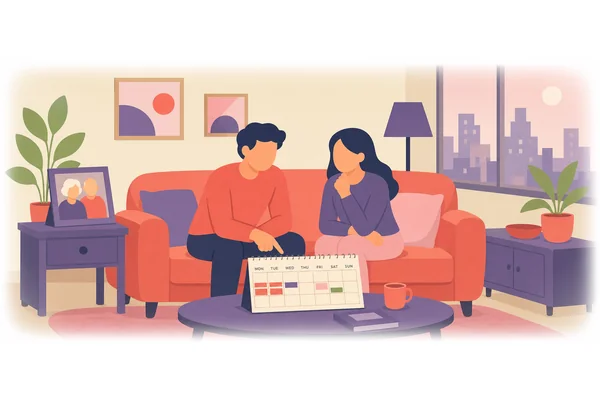
They don't often visit their grandparents during the week.
Negative statement · Regular activity

He didn't always understand the grammar rules.
Negative past · Learning context
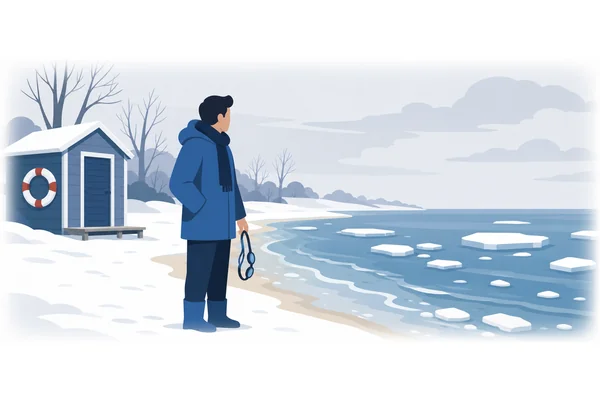
Does he ever go swimming in winter?
Question · 'Ever' for negation/surprise

How often do you usually check your emails?
Question · Asking about habit frequency

Did she always arrive late to class last semester?
Question · Past habit
When to use it
Asking About Habits
Use frequency adverbs in questions to ask someone about their regular activities or routines. This is essential for getting to know people and making conversation.
"Do you usually exercise on weekends?" "How often do you visit that café?"
Denying Regular Actions
Use negative frequency constructions to clarify what you don't do regularly or what someone else doesn't typically do.
"I don't often eat meat." "She doesn't usually arrive late."
Seeking Clarification
Questions with 'ever' or frequency adverbs help clarify whether something happens at all, or to express surprise or doubt.
"Does he ever help with housework?" "Don't you always lock the door?"
Signal words
always
usually
often
sometimes
rarely
never
ever
do/does/did + not
how often
Common Mistakes
✕
Wrong
I usually don't go to that restaurant.
✓
Correct
I don't usually go to that restaurant.
Frequency adverb comes after auxiliary verb, not before it in negatives.
✕
Wrong
Do you often go to the beach? Yes, I often do.
✓
Correct
Do you often go to the beach? Yes, I do often. / Yes, I often do go.
In short answers, 'often' typically goes before the auxiliary or with inversion: 'I do often' is less common than 'I often do go' with do-support.
KEY TAKEAWAYS
What to Remember
- In positive statements, frequency adverbs come between the subject and main verb.
- In questions, place the frequency adverb after the auxiliary verb or main verb.
- In negative sentences, the frequency adverb typically follows the auxiliary verb or negation.
- Never comes before the main verb in negatives; it functions as the negation itself.
- Frequency adverbs move to later positions in questions and negatives, not earlier ones.