What Are Age Adjectives?
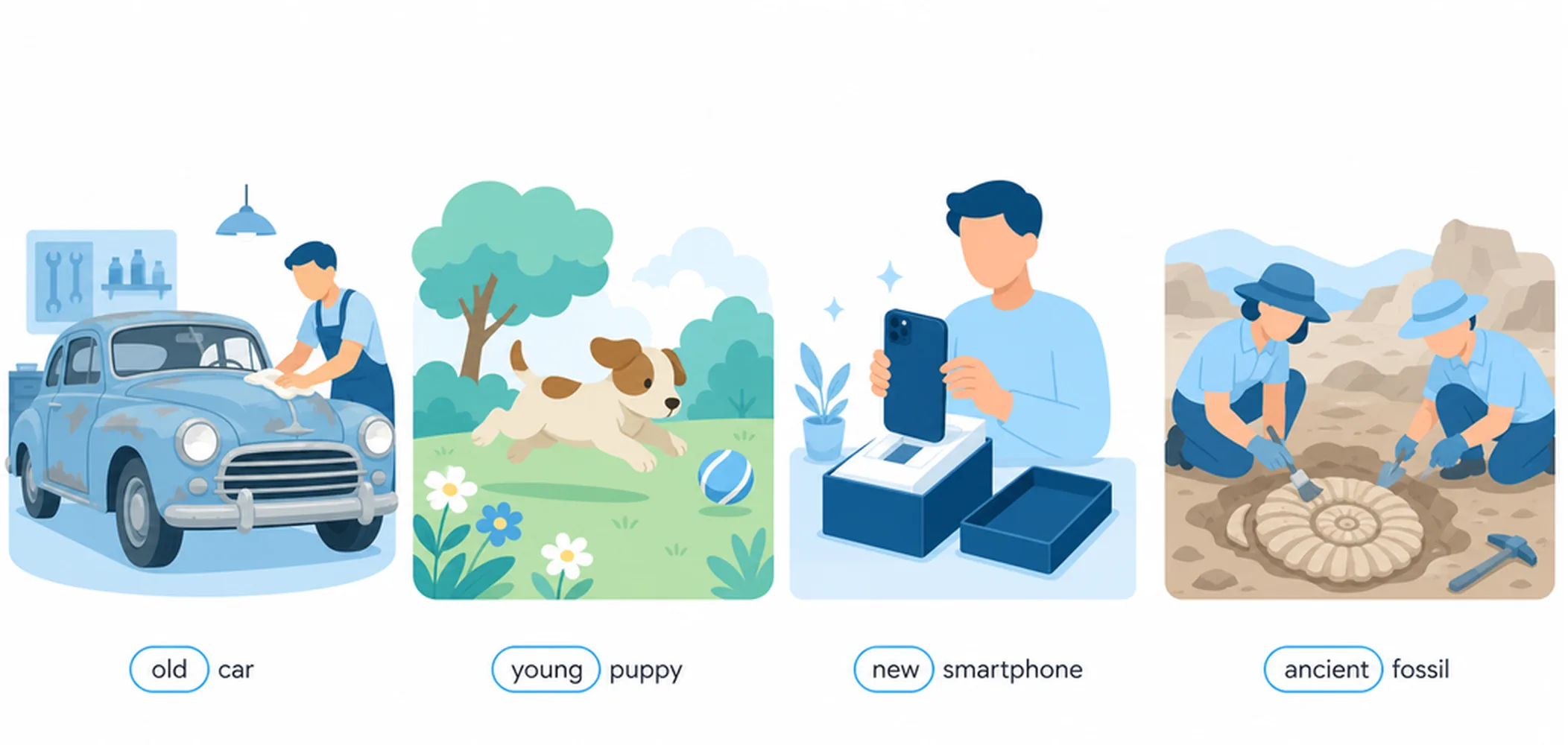
Age adjectives describe how old something or someone is. The most common age adjectives are young, old, new, and ancient. These words come before nouns in English and help us describe people, animals, objects, and ideas. Age adjectives are one of the first types of adjectives we learn because we use them frequently in everyday conversation.
Common Age Adjectives and Their Use
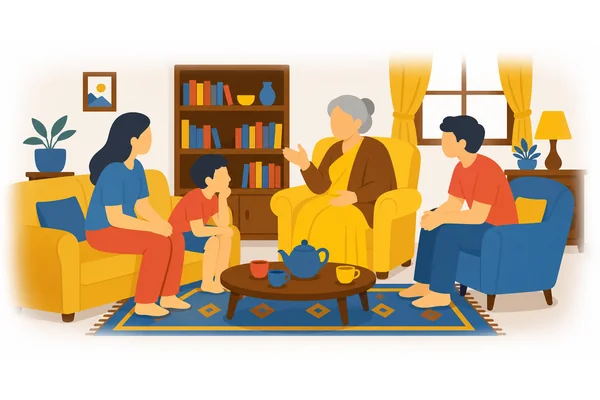
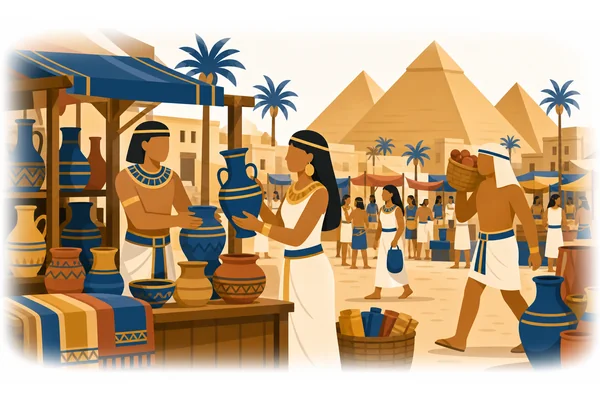
Young describes people or animals in early stages of life. Old describes people, animals, or things that have lived or existed for a long time. New means something was recently made or recently acquired. Ancient describes something extremely old, typically from history. Each adjective has a specific meaning and context. For example, we say 'a young child' but 'an ancient city,' not the opposite.
Word Order with Age Adjectives
When age adjectives appear with other adjectives, they follow a specific order. Age comes early in the sequence—after size but before color and material. For example: 'a small old wooden table' (size + age + material + noun). However, when you use only one adjective, simply place it before the noun: 'the old table,' 'a new phone,' 'young students.' This order makes English sound natural and correct to native speakers.
Comparing Age Adjectives: Young, Old, New, and Ancient
| Category | Young | Old | New | Ancient |
|---|---|---|---|---|
| Typical Meaning | Having lived or existed for only a short time; early in life or development | Having lived or existed for a long time; advanced in age | Recently made, produced, or acquired; not used or existing before | Belonging to a very remote past; existing from a very long time ago, often thousands of years |
| What It Can Describe | People, animals, plants, organisations, ideas, movements | People, animals, objects, buildings, traditions, friendships | Objects, technology, ideas, relationships, jobs, buildings | Civilisations, ruins, texts, traditions, myths, languages; rarely living people |
| Example Phrase | "She is a young doctor just starting her career." | "He is an old man who remembers the war." | "They moved into a new apartment last week." | "The archaeologists discovered an ancient temple buried under the sand." |
| Opposite | Old | Young | Old | Modern / Contemporary |
| Typical Time Frame | Early stage of a normal lifespan; relative to the subject | Late stage of a normal lifespan; relative to the subject | Very recent — days, weeks, or months ago | Extremely distant past — typically hundreds or thousands of years ago |
| Applies to Living Things? | Yes — primarily used for living things | Yes — used for both living things and objects | Rarely for living things; mainly for objects and concepts | Rarely for living people; mainly for places, texts, and civilisations |
| Tone / Connotation | Often positive; implies energy, potential, and freshness | Neutral to positive; implies experience and wisdom, but can suggest wear | Positive; implies freshness, improvement, or modernity | Neutral to positive; implies great historical depth and significance |
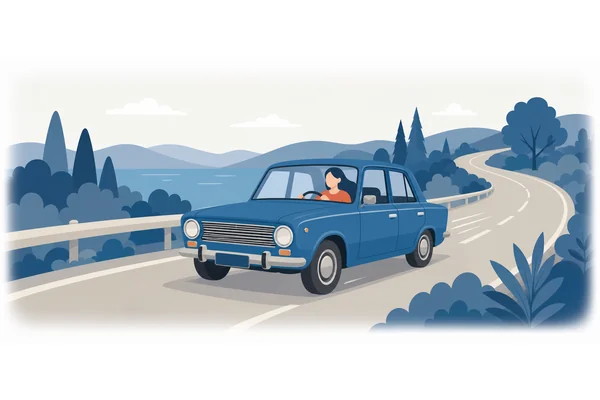
| Common Collocations | young person, young generation, young talent, young mind | old friend, old house, old tradition, old habit, old car | new phone, new idea, new job, brand new, new release | ancient ruins, ancient civilisation, ancient text, ancient history |
| Key Difference: Young and old are opposites that describe age relative to a typical lifespan and apply mainly to living things. New focuses on how recently something was made or acquired rather than its absolute age, and is used mainly for objects and ideas. Ancient is the strongest of the four in terms of time depth, reserved for things from a very remote historical past — it is rarely used for living people and carries a sense of historical significance that the others do not. | ||||
Examples



What to Remember
- Age adjectives (young, old, new, ancient) describe how old someone or something is.
- Age adjectives come before the noun they describe in English sentences.
- Young describes people or animals in early life stages.
- Old describes people, animals, or things that existed for a long time.
- New means recently made or recently acquired by someone.