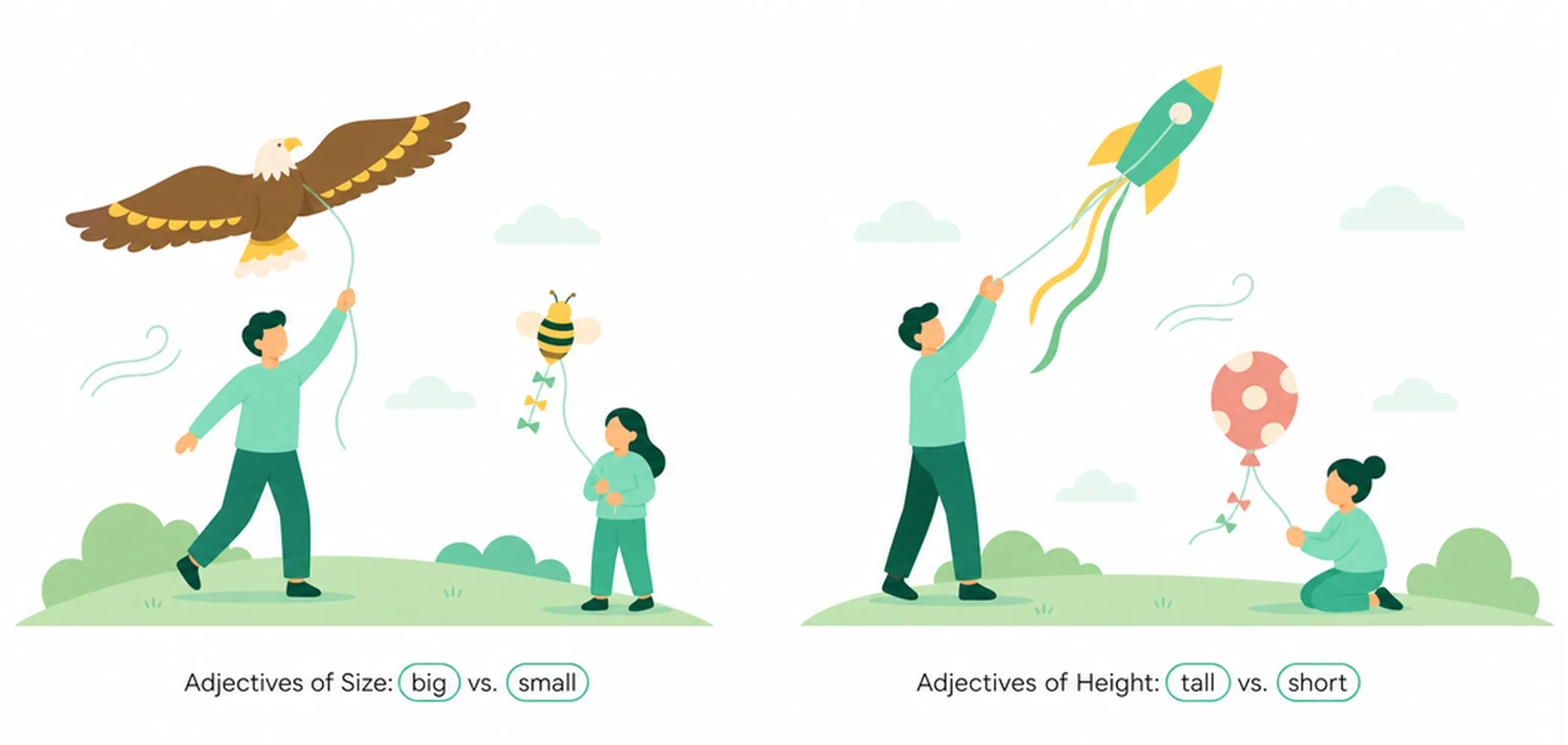
What are size adjectives?
Size adjectives describe how large or small something is. The most common size adjectives in English are big, small, tall, short, large, and tiny. These words help us communicate measurements and proportions in a simple way. Size adjectives usually come before nouns in English sentences, and they often appear before other adjectives like colour or material.
Using size adjectives correctly
When you use size adjectives, place them directly before the noun or noun phrase. If there are multiple adjectives, the size adjective typically comes first, before colour, shape, or material adjectives. For example, say 'a big red ball' not 'a red big ball'. Size adjectives can also follow the verb 'be' in sentences like 'The house is very large.' Remember that some size adjectives work better with countable nouns (big book, small table) while others often describe height or length (tall building, short story).
Choosing between similar size adjectives
English has several size adjectives with similar meanings, so choosing the right one matters. Use 'big' and 'small' for general size, 'large' and 'tiny' for more formal or emphatic descriptions, and 'tall' and 'short' specifically for height or length. 'Big' is more common in everyday conversation, while 'large' is more formal. 'Tiny' is much smaller than 'small' and adds emotional emphasis. Context and formality level help you choose the best adjective.
Size Adjectives Compared
| Category | Big | Small | Tall | Short | Large | Tiny |
|---|---|---|---|---|---|---|
| Meaning | Large in size, amount, or importance in a general sense | Below average in size or amount; not large | Greater than average in height or vertical extent | Below average in height or length; also brief in duration | Great in size, extent, or capacity; similar to big but more formal | Extremely small; much smaller than average |
| Formality Level | Informal / Everyday | Neutral / Everyday | Neutral / Everyday | Neutral / Everyday | Formal / Written | Informal / Emphatic |
| Dimension Focus | Overall size (width, volume, importance) | Overall size (general smallness) | Height / vertical dimension only | Height or length; also time duration | Overall size, area, or quantity | Overall size (extreme end of smallness) |
| Typical Use Context | Spoken conversation, casual writing, describing objects, animals, events, or abstract ideas | Everyday speech and writing; describing objects, rooms, quantities, or businesses | Describing people's height, buildings, trees, mountains, and other vertical structures | Describing people's height, hair length, distances, or periods of time | Formal or academic writing, business contexts, describing quantities, areas, or organisations | Emphasising extreme smallness; often used in storytelling, descriptions, or emotional contexts |
| Typical Noun Pairings | big house, big dog, big mistake, big smile, big city | small room, small business, small amount, small child, small town | tall man, tall building, tall tree, tall glass, tall ladder | short woman, short hair, short trip, short story, short break | large crowd, large company, large quantity, large area, large screen | tiny insect, tiny village, tiny detail, tiny baby, tiny crack |
| Can Describe People? | Yes — overall build or stature (e.g. a big man) | Yes — overall build (e.g. a small woman), but less common for height alone | Yes — specifically height (e.g. she is very tall) | Yes — specifically height (e.g. he is quite short) | Rarely for people; more for groups or organisations | Yes — to emphasise very small frame (e.g. a tiny old lady) |
| Opposite Adjective | Small / Little | Big / Large | Short | Tall / Long | Small / Tiny | Huge / Enormous |
| Degree / Intensity | Moderate–strong (neutral on the scale) | Moderate (neutral on the scale) | Moderate (neutral on the height scale) | Moderate (neutral on the height scale) | Moderate–strong (similar to big but slightly more emphatic in formal use) | Extreme (implies the smallest end of the scale) |
| Positive Example Sentence | They live in a big house near the park. | She runs a small café in the town centre. | My brother is very tall — nearly two metres. | It was a short walk from the station. | The company employs a large number of staff. | There was a tiny spider on the window. |
| Common Learner Mistake | Using big in formal writing where large is more appropriate (e.g. a big amount → a large amount) | Confusing small with short for height (e.g. ✗ she is small → ✓ she is short) | Using tall for non-vertical objects (e.g. ✗ a tall road → ✓ a long road) | Using short for horizontal length without context (e.g. ✗ a short river → ✓ a short distance or a short journey) | Using large in casual speech where it sounds unnatural (e.g. ✗ a large dog → more natural: a big dog) | Overusing tiny for everything small; reserve it for genuinely miniature things |
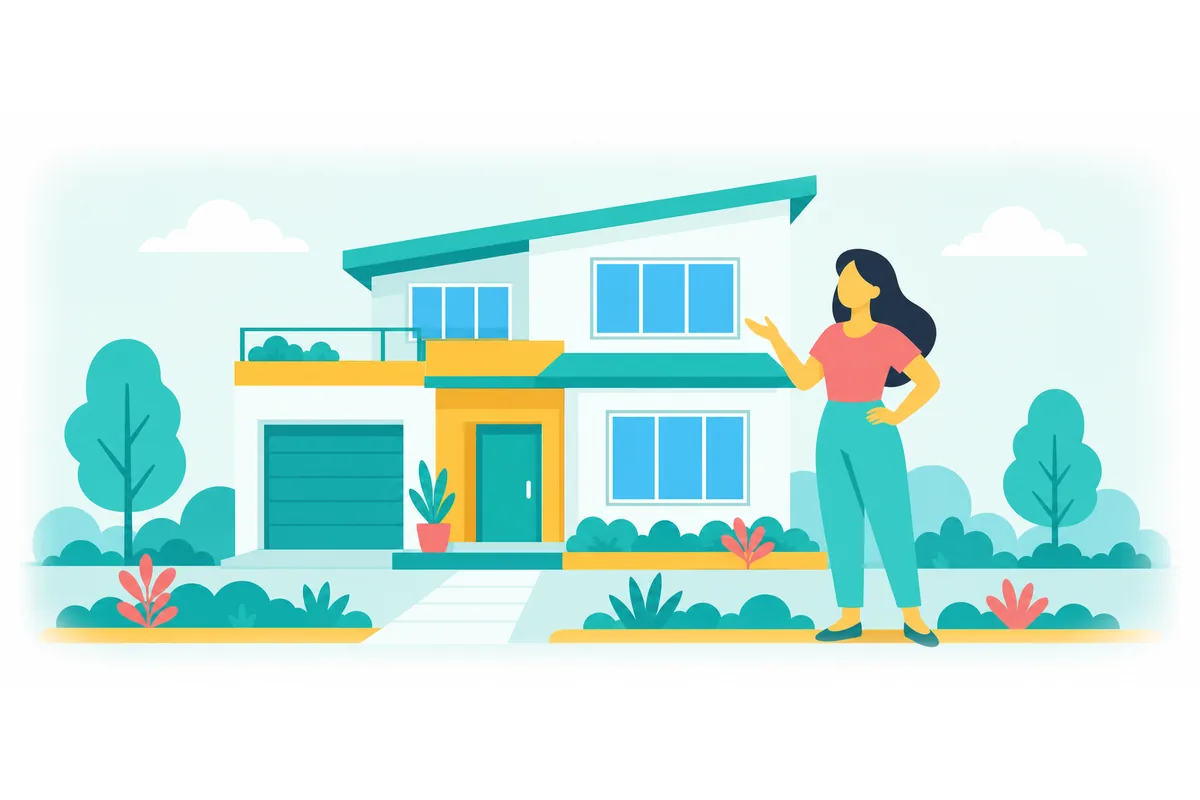
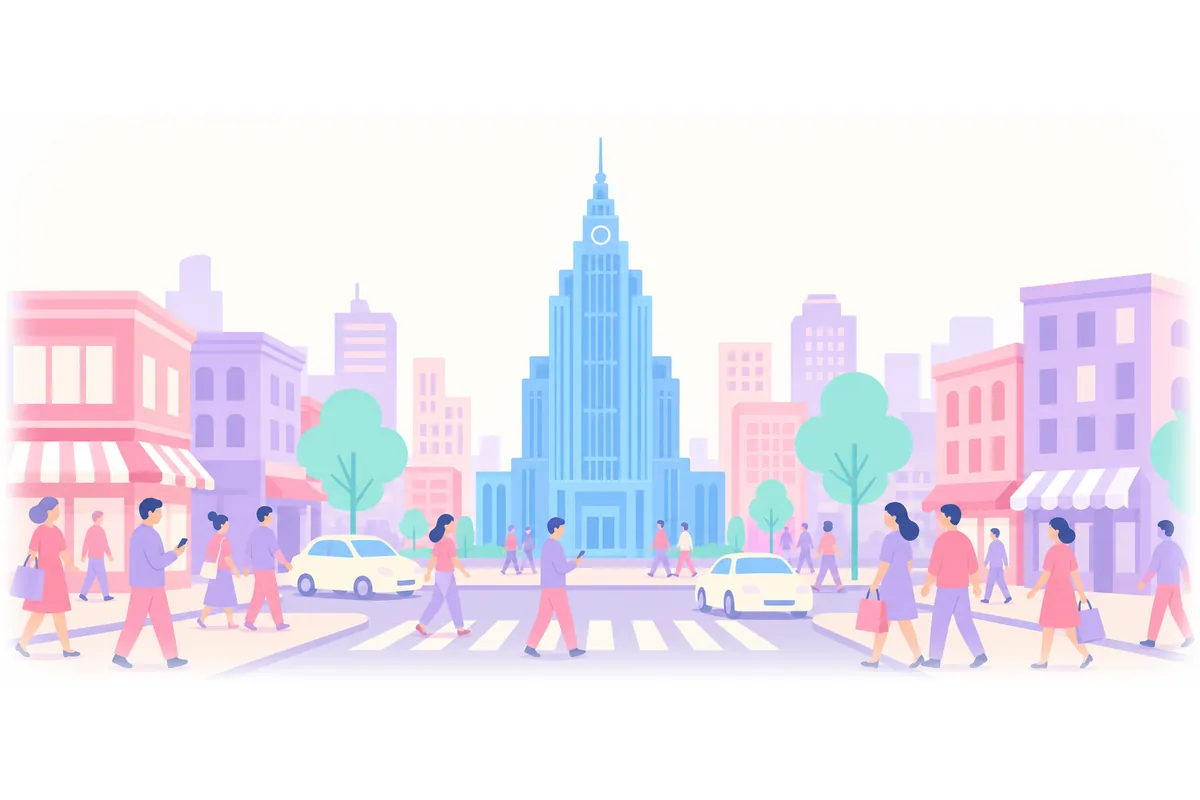
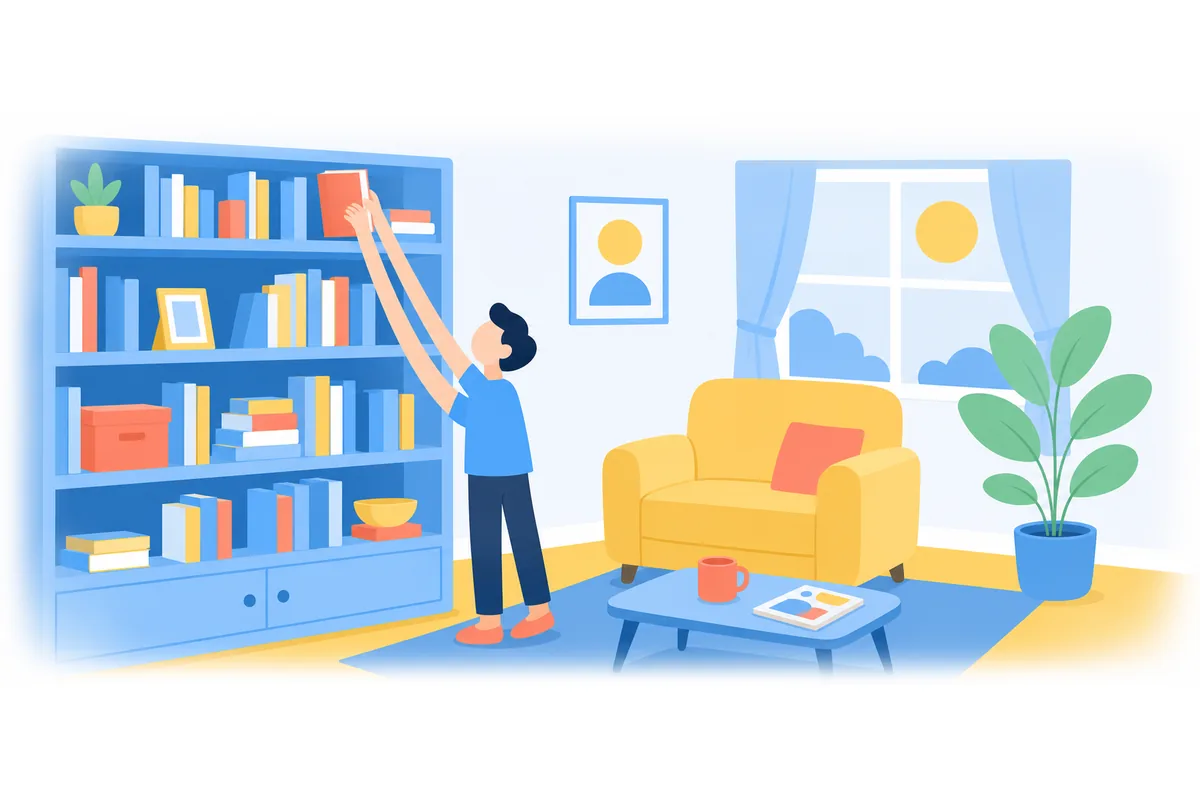
Examples

What to Remember
- Size adjectives (big, small, tall, short, large, tiny) describe how large or small something is.
- Size adjectives come before nouns in English, either directly before the noun or before other adjectives.
- When multiple adjectives appear together, size adjectives typically come before colour and material adjectives.
- Use size adjectives to communicate measurements and proportions in a simple, straightforward way.
- Common mistake: don't place size adjectives after the noun; they must come before it.