What is an Appositive Noun Phrase?
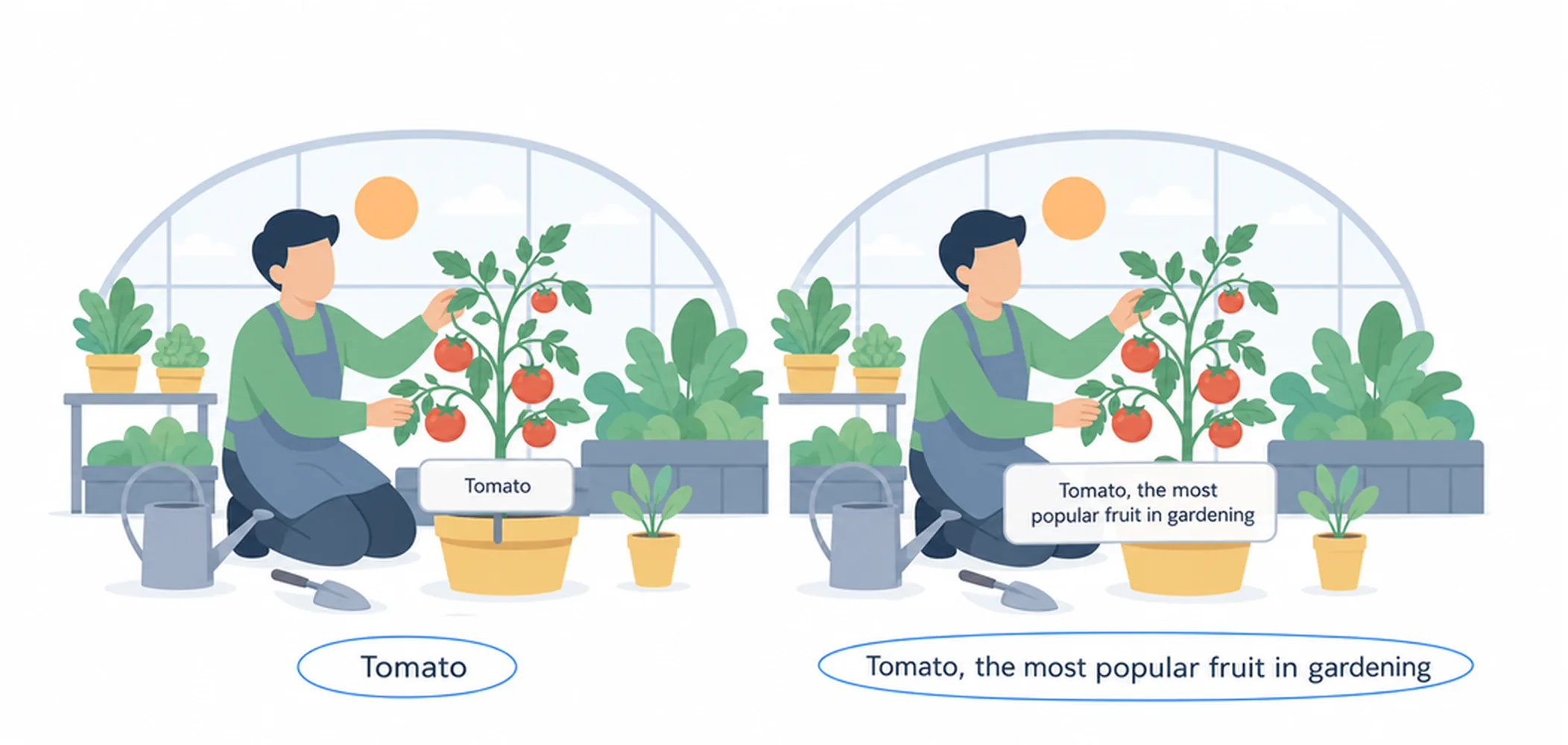
An appositive noun phrase is a noun phrase that renames or describes another noun or pronoun placed right next to it. Both nouns refer to the same person, thing, or idea. Appositive phrases are very common in academic and formal writing. They help add information without needing extra sentences. The appositive is usually separated by commas or dashes.
How Appositive Phrases Work
The appositive noun phrase follows immediately after the noun it explains. You can remove the appositive phrase and the sentence still makes grammatical sense—this is the key test. For example: "My friend Sarah, a talented musician, won the competition." Here, "a talented musician" is the appositive that renames "Sarah." If you remove it, you still have a complete sentence: "My friend Sarah won the competition." Appositive phrases can be short (one or two words) or long (several words with modifiers).
Non-Restrictive vs. Restrictive Appositives
Most appositives are non-restrictive, meaning they add extra information that is not essential to identify the noun. Non-restrictive appositives are always set off by commas or dashes. Example: "Dr. Chen, the lead researcher, published the study." Restrictive appositives are rare and essential to identify the noun—they use no commas. Example: "The novel Nineteen Eighty-Four explores dystopian themes." Here, "Nineteen Eighty-Four" is necessary to identify which novel you mean, so no comma is used.
Non-Restrictive vs. Restrictive Appositives: Side-by-Side Comparison
| Feature | Non-Restrictive Appositive NP | Restrictive Appositive NP |
|---|---|---|
| Form | A noun phrase placed beside another noun phrase to rename or describe it, set off by commas, dashes, or parentheses. | A noun phrase placed directly beside another noun phrase to identify or specify it, with no separating punctuation. |
| Punctuation Usage | Always set off by commas, dashes (—), or parentheses ( ). The punctuation signals that the phrase can be removed without changing the meaning. | No commas or separating punctuation used. The appositive is written directly adjacent to the noun it modifies. |
| When to Use | Use when the noun it refers to is already clearly identified and the appositive adds extra, supplementary detail. The information is parenthetical and non-essential. | Use when the appositive is needed to identify which specific person or thing is being discussed. The information is essential and cannot be removed without creating ambiguity. |
| Is the Information Essential? | No. The sentence remains clear and grammatically complete if the appositive is removed. It provides bonus information. | Yes. Removing the appositive would leave the sentence vague or incomplete. The appositive is necessary for the reader to understand which specific thing is meant. |
| Position in Sentence | Can appear immediately after the noun it renames, at the beginning of a sentence, or at the end. Always flanked by appropriate punctuation regardless of position. | Appears immediately after the noun it specifies, with no intervening punctuation. Typically sits in the middle or at the end of a sentence. |
| Positive Example | "My sister, a talented pianist, performed at the concert." "The Eiffel Tower, one of France's most iconic landmarks, was built in 1889." |
"My friend the chef cooked us a wonderful meal." "The novelist Jane Austen wrote six major works." |
| Negative Example | "My sister a talented pianist performed at the concert." ❌ (Missing commas — the appositive must be set off from the rest of the sentence.) |
"The novelist, Jane Austen, wrote six major works." ❌ (Adding commas incorrectly implies 'the novelist' is already clear to the reader, which may not be the case in all contexts.) |
| Question Example | "Did the prime minister, a long-serving politician, address the crowd?" (The appositive adds extra detail about a prime minister already known to both speaker and listener.) |
"Did the author Stephen King win an award last night?" (The appositive 'Stephen King' is needed to specify which author is being asked about.) |
| Key Signal Words / Patterns | Commas, dashes, or parentheses surrounding the phrase; proper nouns already established in context; phrases beginning with a, an, the followed by a descriptive noun phrase. | No punctuation; general or indefinite nouns preceding the appositive (e.g., my friend, the author, a city); the head noun alone would be ambiguous without the appositive. |
| 🔑 Key Difference: The fundamental distinction between non-restrictive and restrictive appositive noun phrases lies in essentiality and punctuation. A non-restrictive appositive adds extra, parenthetical information about a noun that is already uniquely identified — it is always set off by commas, dashes, or parentheses, and can be removed without changing the core meaning of the sentence. A restrictive appositive, by contrast, is essential to the meaning: it narrows down or specifies exactly which person or thing is being discussed, is never separated by punctuation, and cannot be deleted without making the sentence ambiguous or incomplete. | ||
Examples






What to Remember
- An appositive noun phrase renames or describes another noun placed immediately next to it.
- Both the original noun and appositive refer to the same person, thing, or idea.
- Appositive phrases are typically separated by commas or dashes in sentences.
- You can remove an appositive phrase and the sentence remains grammatically complete.
- Appositive phrases are especially common in academic and formal writing styles.