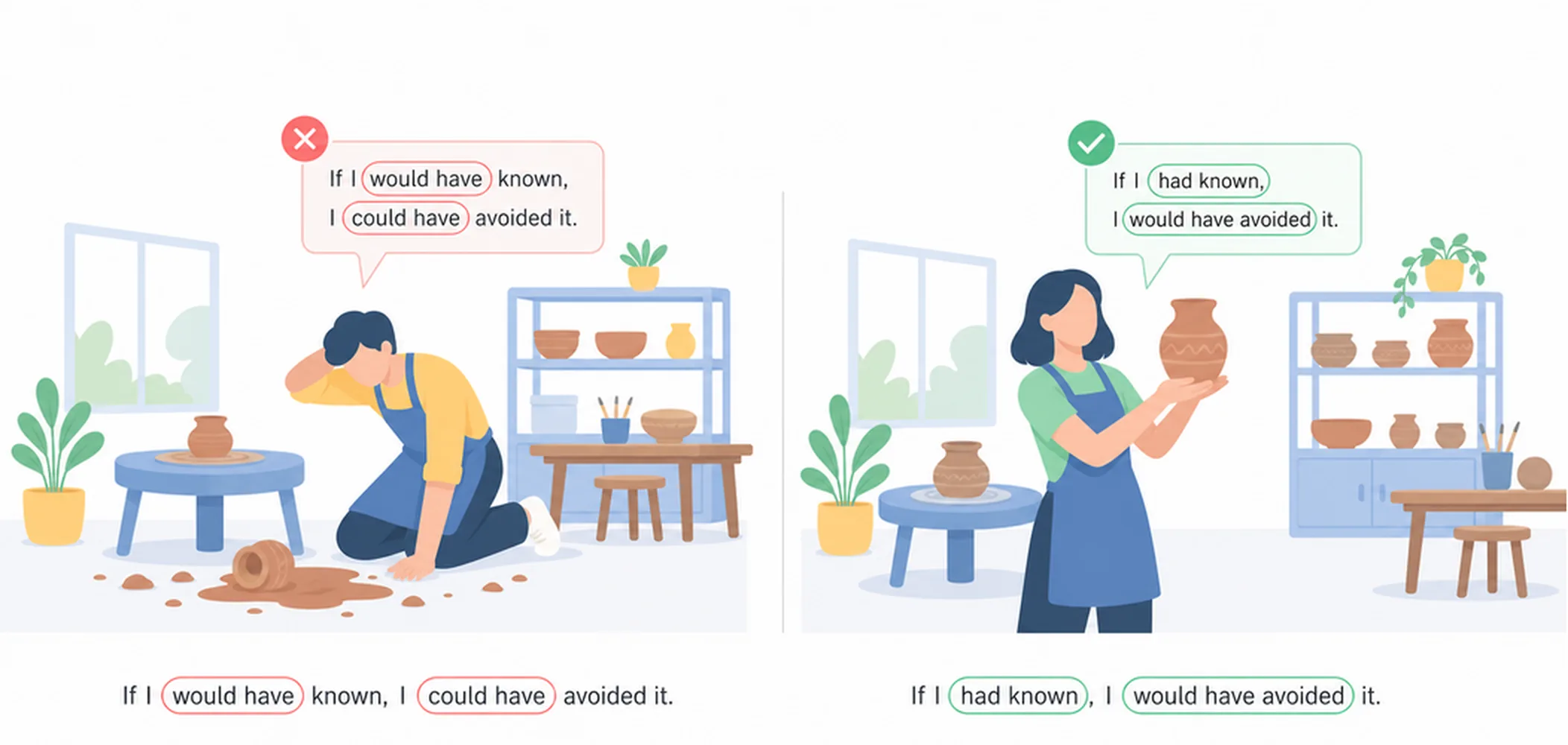
Why Third Conditional Mistakes Happen
The third conditional is tricky because it requires precise use of two past forms in one sentence, and English learners often confuse it with the second conditional or mix up verb tenses. Since the third conditional describes impossible past situations, many learners struggle with the mental shift needed to think about 'what could have been' rather than what actually happened. Understanding common errors will help you master this advanced structure.
Third Conditional vs Second Conditional — Side-by-Side Comparison
| Feature | Second Conditional | Third Conditional |
|---|---|---|
| Form | If + past simple, would + base verb | If + past perfect, would have + past participle |
| When to use | To talk about imaginary, unlikely, or hypothetical situations in the present or future | To talk about imaginary situations in the past — things that did not happen and cannot be changed |
| Time reference | Present / Future (unreal) | Past (unreal / impossible to change) |
| Positive example | If I had more time, I would travel the world. (I don't have much time now — hypothetical present) |
If I had had more time, I would have travelled the world. (I didn't have time — impossible to change past) |
| Negative example | If she didn't work so hard, she wouldn't be so tired. (She does work hard — unreal present) |
If she hadn't worked so hard, she wouldn't have been so tired. (She did work hard — past regret) |
| Question example | What would you do if you won the lottery? (Hypothetical future/present situation) |
What would you have done if you had won the lottery? (Past — you did not win) |
| Key signal words | now, currently, these days, at the moment, in the future, someday | yesterday, last year, at that time, back then, earlier, in 1990, that day |
| Common mistake | ✗ If I would have money, I would buy a car. ✓ If I had money, I would buy a car. |
✗ If I studied, I would pass the exam. (when referring to a past exam) ✓ If I had studied, I would have passed the exam. |
| 🔑 Key Difference: The second conditional uses the past simple in the if-clause and imagines an unreal situation now or in the future. The third conditional uses the past perfect in the if-clause and imagines how a past situation could have been different — the event is finished and the outcome can no longer change. The most common learner error is mixing the two: using third conditional structure for present hypotheticals, or using second conditional structure when reflecting on past events. | ||
Formula
✔ Positive
If
+
subject
+
had + past participle
+
subject
+
would have + past participle
If I had studied, I would have passed.
✖ Negative
If
+
subject
+
hadn't + past participle
+
subject
+
would have + past participle
If I hadn't been late, I would have seen it.
? Question
What
+
would have + subject
+
verb (past participle)
+
if...
What would you have done if you had known the truth?
Examples

If we had invested in that company, we would have made a fortune.
Third conditional · Past hypothetical
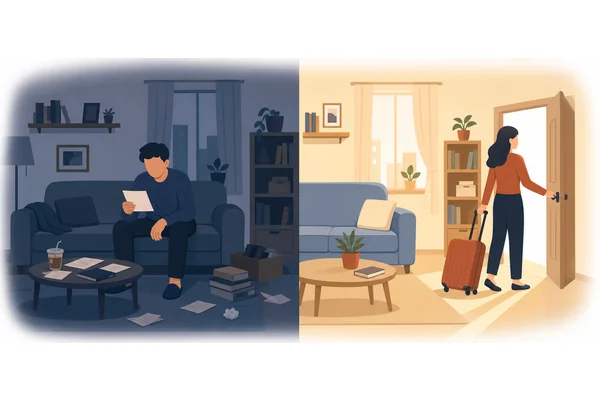
She wouldn't have left him if he had been more honest with her.
Third conditional · Unreal past situation
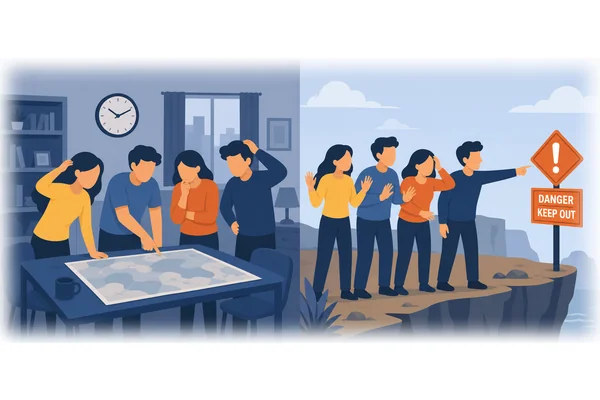
If they had known about the danger, they would never have gone there.
Third conditional · Impossible past action

He would have called you if he hadn't lost his phone.
Third conditional · Negative condition
When to use it
Regret or Disappointment
Use third conditional to express regret about past decisions or actions you wish had been different.
"If I had learned the language earlier, I would have gotten that job in Berlin."
Hypothetical Explanations
Explain what might have happened under different past circumstances in conversations or writing.
"If she hadn't been injured, she would have won the competition."
Literature & Storytelling
Discuss alternate plot outcomes or character decisions in books, films, or personal narratives.
"If Romeo and Juliet had communicated, they wouldn't have died."
Professional Analysis
Analyze past business or project decisions and their potential outcomes in reports or discussions.
"If we had hired more staff, we would have completed the project on time."
Signal words
if
had
would have
hadn't
wouldn't have
could have
might have
otherwise
Common Mistakes
✕
Wrong
If I would have known about the meeting, I would have attended.
✓
Correct
If I had known about the meeting, I would have attended.
Never use 'would' in the if-clause. Use 'had + past participle' only in the if-clause.
✕
Wrong
If she studied harder, she would have passed the exam.
✓
Correct
If she had studied harder, she would have passed the exam.
Use 'had + past participle' (past perfect), not simple past, in the if-clause.
✕
Wrong
If they had arrived on time, they will see the beginning.
✓
Correct
If they had arrived on time, they would have seen the beginning.
The main clause must use 'would have + past participle', not future or present tense.
✕
Wrong
If you had told me the truth, I wouldn't be angry now.
✓
Correct
If you had told me the truth, I wouldn't be angry then. / If you had told me the truth, I wouldn't have been angry.
Don't mix third conditional (past) with present consequences. Stay in past time.
✕
Wrong
If I had went to university, I would have become a doctor.
✓
Correct
If I had gone to university, I would have become a doctor.
After 'had', use the past participle form (gone), not the simple past (went).
✕
Wrong
I would have helped if you would have asked.
✓
Correct
I would have helped if you had asked.
The if-clause cannot contain 'would'. Only use 'had + past participle' there.
✕
Wrong
If she hadn't forgotten her keys, she wouldn't miss the concert.
✓
Correct
If she hadn't forgotten her keys, she wouldn't have missed the concert.
Both clauses must be in past time. Use 'would have + past participle' in the main clause.
KEY TAKEAWAYS
What to Remember
- Use "had + past participle" in the if-clause and "would/could/might + have + past participle" in the main clause.
- The third conditional refers to impossible past situations, not present or future possibilities.
- Don't confuse the third conditional with the second conditional, which discusses hypothetical present situations.
- Never use "would have" in the if-clause; always use "had" for grammatically correct sentences.
- Remember that the third conditional expresses regret or speculation about what could have happened differently in the past.