What is the Third Conditional?
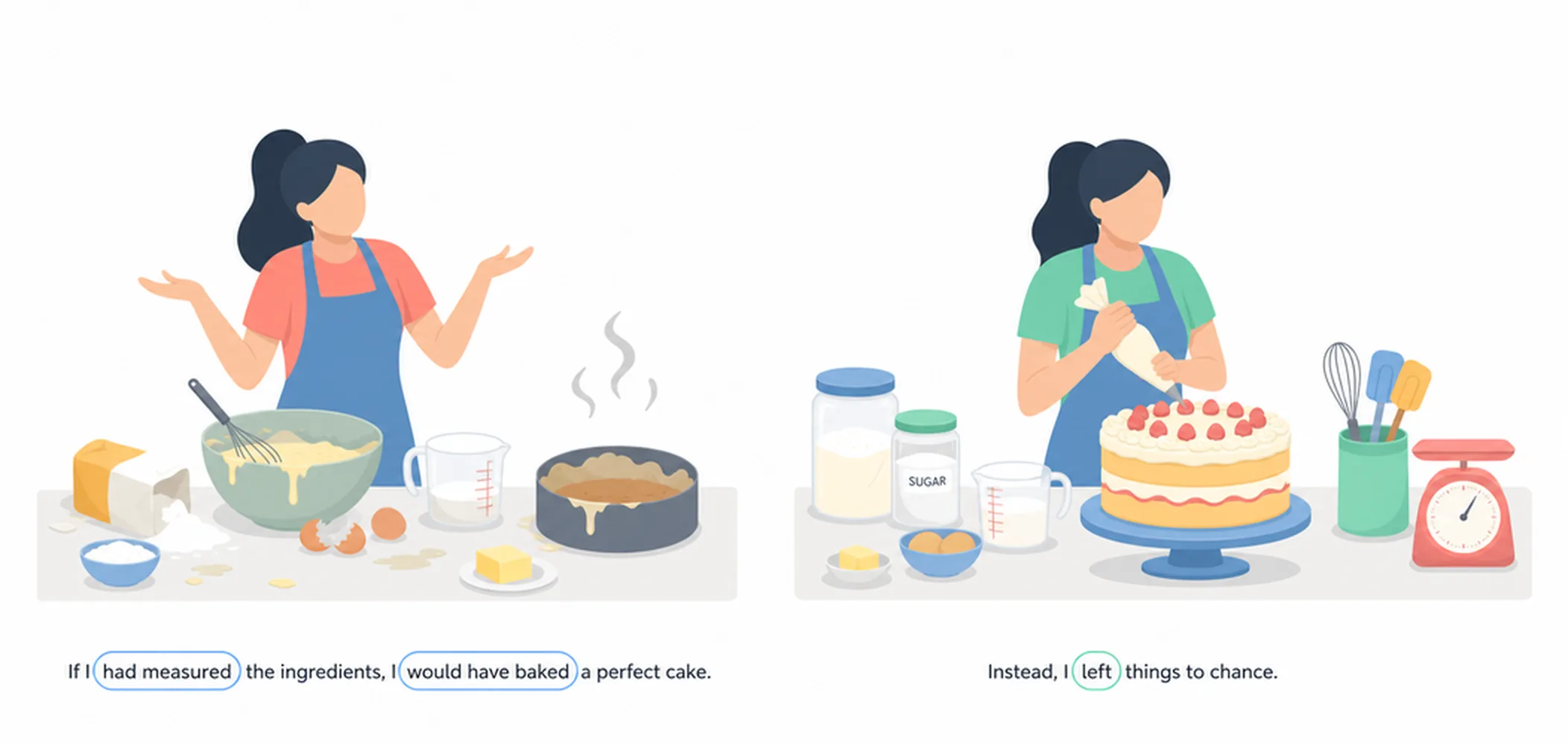
The third conditional is a grammar structure used to talk about imaginary situations in the past and their hypothetical results. It expresses events that did not happen and considers what would have happened if the circumstances had been different. This conditional is impossible to fulfil because we cannot change the past. We use it to reflect on missed opportunities, regrets, or to imagine alternative outcomes of real events.
Key Characteristics
The third conditional always looks back at the past with a sense of unreality. The structure combines 'if' + past perfect in the condition clause with 'would have' + past participle in the result clause. Both parts refer to the same past time period. This structure is more formal and sophisticated than the first and second conditionals, making it common in advanced writing and reflective speech. The tone often carries regret, speculation, or philosophical contemplation about how things could have been different.
Third Conditional vs Other Conditionals
| Category | First Conditional | Second Conditional | Third Conditional |
|---|---|---|---|
| Time Reference | Present or future | Present or future (hypothetical) | Past (finished, unchangeable) |
| Reality / Possibility | Real and likely — the condition is genuinely possible | Unreal or unlikely in the present/future — imaginary situation | Completely unreal — the situation did not happen in the past |
| Form | If + present simple, will + base verb | If + past simple, would + base verb | If + past perfect, would have + past participle |
| When to Use | To talk about real plans, offers, warnings, or predictions that depend on a realistic future condition | To talk about imaginary present/future scenarios, give advice, or describe things that are unlikely or impossible now | To reflect on past events that did not happen, express regret, or speculate about how a different past choice would have changed the outcome |
| Positive Example | If she studies hard, she will pass the exam. | If she studied hard, she would pass the exam. | If she had studied hard, she would have passed the exam. |
| Negative Example | If it doesn't rain, we will go to the beach. | If I didn't have a car, I wouldn't drive to work. | If they hadn't missed the train, they wouldn't have been late. |
| Question Example | If you finish early, will you call me? | If you had more time, would you travel more? | If you had known about the party, would you have come? |
| Key Signal Words | if, when, unless, as long as, provided that + future marker | if, imagine, suppose, what if + past tense verb; would in result clause | if only, I wish, what if + past perfect; would have, could have, might have in result clause |
| Key Difference: The first conditional deals with real, probable situations in the present or future. The second conditional imagines unreal or unlikely situations in the present or future. The third conditional is entirely about the past — it describes situations that did not happen and cannot be changed, making it the only conditional used to express hindsight, regret, or to speculate about how a different past action would have led to a different outcome. | |||
Examples





What to Remember
- Use "if + past perfect" in the condition clause and "would/could/might + have + past participle" in the result clause.
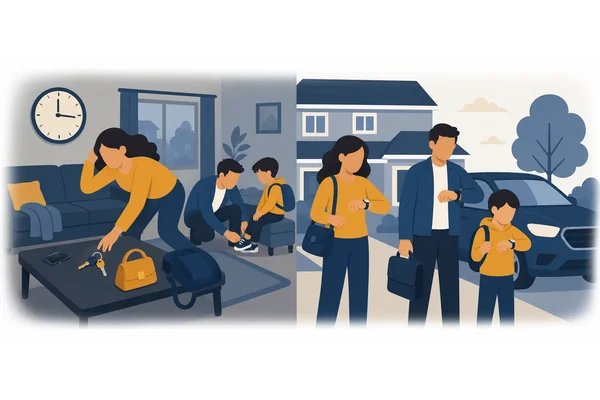
- The third conditional discusses imaginary past situations that didn't actually happen and their hypothetical outcomes.
- This structure is impossible to fulfil because we cannot change or alter past events.
- Common mistake: don't mix tenses; keep past perfect in the if-clause and would have in the main clause.
- Use third conditional to express regrets, missed opportunities, or to imagine different outcomes of real past events.