
What is the Third Conditional?
The third conditional is used to talk about imaginary situations in the past—things that didn't happen and can no longer happen. It expresses regret, criticism, or speculation about alternative outcomes. The structure combines a past perfect condition with a 'would have' consequence. This is the most complex conditional form, used primarily in formal writing and advanced spoken English.
How to Form the Third Conditional
Positive Form
If Clause (Condition)
if
+
subject
+
e.g. I, she, they
had
+
auxiliary
past participle
+
e.g. studied, gone
(object)
optional
Main Clause (Result)
subject
+
e.g. I, she, they
would / could / might
+
modal verb
have
+
auxiliary
past participle
+
e.g. passed, been
(object)
optional
Example
If
she
had
studied
harder
,
she
would
have
passed
the exam.
Negative Form
(add NOT after the first auxiliary in each clause)
If Clause (Condition)
if
+
subject
+
e.g. I, she, they
had not
+
auxiliary + NOT
past participle
+
e.g. studied, gone
(object)
optional
Main Clause (Result)
subject
+
e.g. I, she, they
would / could / might not
+
modal verb + NOT
have
+
auxiliary
past participle
+
e.g. passed, been
(object)
optional
Example
If
she
had not
studied
hard
,
she
would not
have
passed
the exam.
Formula
✔ Positive
If
+
subject
+
had
+
past participle
+
,
+
subject
+
would have
+
past participle
If I had studied harder, I would have passed the exam.
✖ Negative
If
+
subject
+
had not
+
past participle
+
,
+
subject
+
would not have
+
past participle
If she had not forgotten her passport, she would not have missed the flight.
? Question
If
+
subject
+
had
+
past participle
+
,
+
would
+
subject
+
have
+
past participle
If you had arrived earlier, would you have met the director?
Examples

If I had known about the sale, I would have bought that coat.
Positive form · regret about a missed opportunity

She would have become a doctor if she had not injured her hand.
Positive form with inverted result clause · alternative life path

If they had not invested in that company, they would not have lost their savings.
Negative form · speculation about prevented consequences

Would you have married him if his parents had approved?
Question form · hypothetical scenario
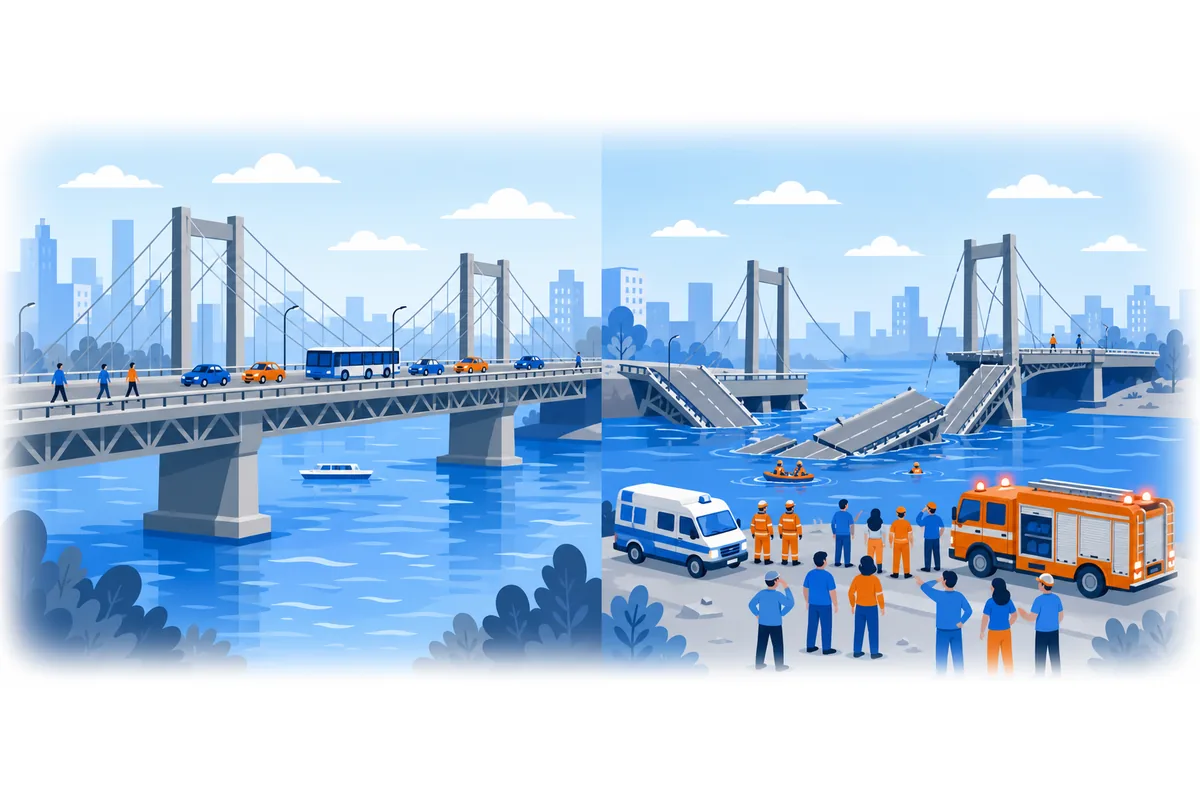
Had the bridge not collapsed, hundreds of lives would have been saved.
Formal inversion · literary or academic register

If we had taken a different route, we would have avoided the traffic.
Positive form · everyday regret
When to use it
Expressing Regret
Use the third conditional to express regret about past actions or decisions that cannot be changed.
If I had applied to that university, I might have had a different career path.
Speculation & Analysis
Discuss hypothetical outcomes of past events in historical, scientific, or analytical contexts.
If the Titanic had changed course earlier, thousands of passengers would have survived.
Criticism & Blame
Politely or directly criticize past decisions or actions using the third conditional structure.
If you had listened to my advice, you wouldn't have made that expensive mistake.
Narrative & Fiction
Develop alternative plot lines or discuss 'what if' scenarios in storytelling and literature.
If Romeo had received the letter in time, he would not have drunk the poison.
Signal words
if
had
would have
had not
would not have
had…not
had… never
Common Mistakes
✕
Wrong
If I had studied harder, I would pass the exam.
✓
Correct
If I had studied harder, I would have passed the exam.
The consequence must use 'would have + past participle', not simple 'would + base form'.
✕
Wrong
If she didn't forget her keys, she would have arrived on time.
✓
Correct
If she hadn't forgotten her keys, she would have arrived on time.
The condition must use past perfect (had + past participle), not simple past.
✕
Wrong
If I would have known, I would have told you.
✓
Correct
If I had known, I would have told you.
Never use 'would' in the if-clause; use past perfect only.
KEY TAKEAWAYS
What to Remember
- Use the third conditional to imagine past situations that didn't actually happen.
- The structure is: If + past perfect, + would/could/might + have + past participle.
- The condition uses 'had' + past participle; the result uses 'would have' + past participle.
- Express regret, criticism, or alternative outcomes that are now impossible to change.
- Don't mix conditional forms; avoid using 'will have' or 'had would' in third conditional.