What are Abstract Nouns?
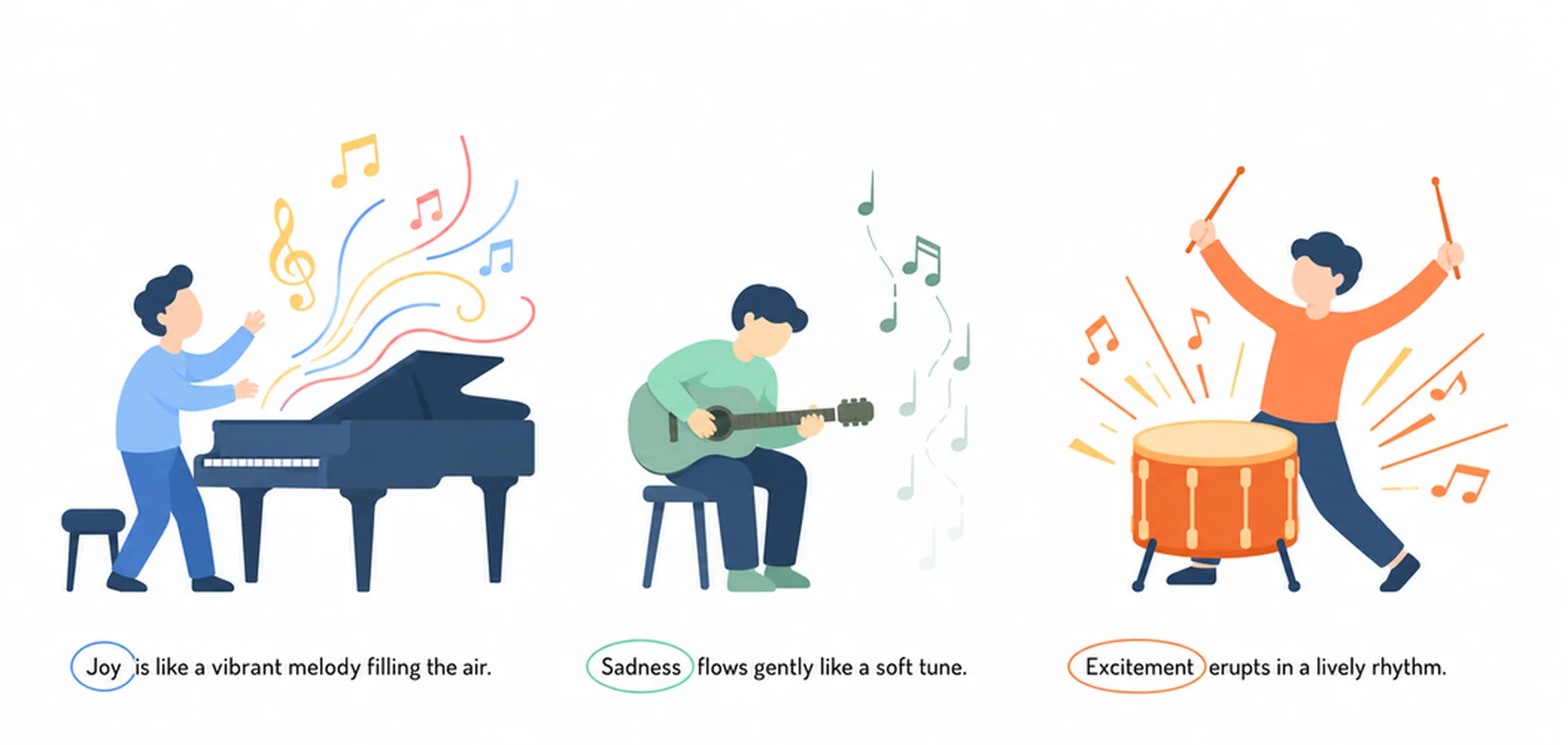
Abstract nouns are words for things you cannot see, touch, or hold in your hand. They describe ideas, feelings, qualities, and states. Unlike concrete nouns (like 'cat', 'table', or 'apple'), abstract nouns are invisible but very real. One common type of abstract noun is emotions — words for feelings like happiness, sadness, and anger.
Abstract Nouns for Emotions
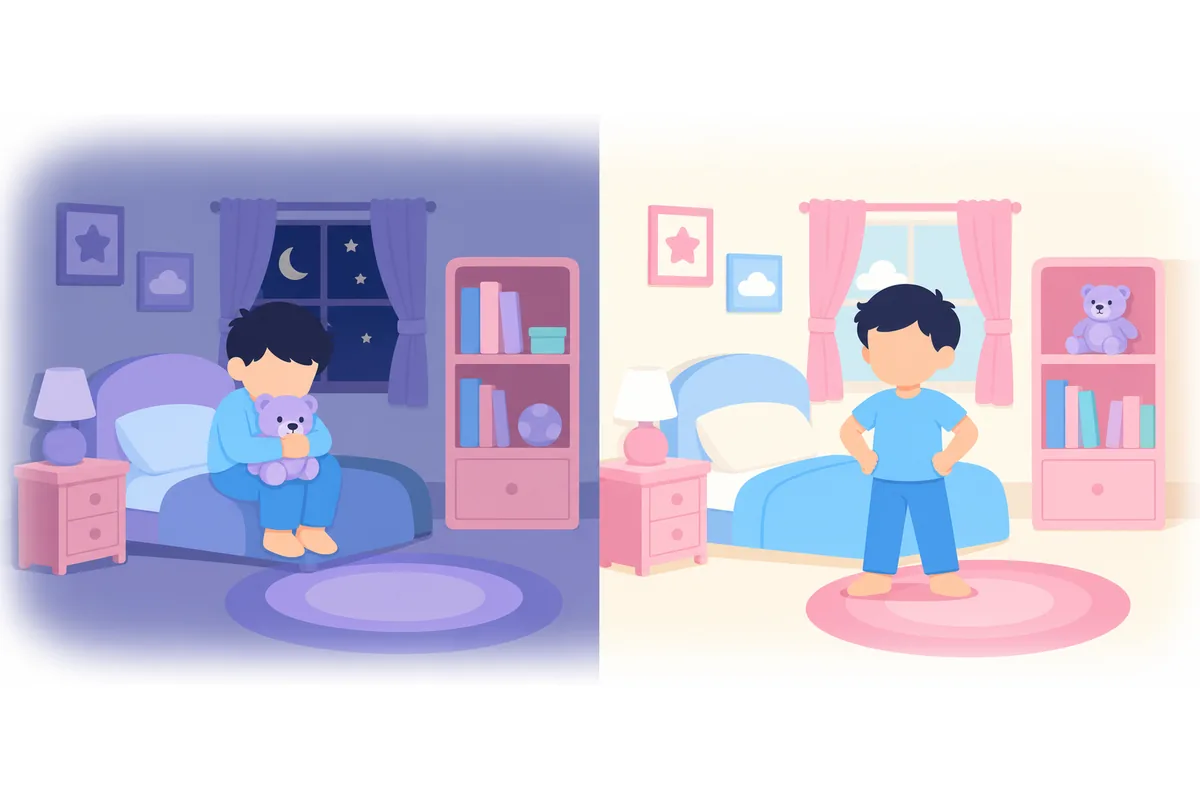
Emotions are perfect examples of abstract nouns because you feel them inside, but you cannot touch them. When you are happy, sad, angry, or scared, these are feelings you experience. We use abstract nouns to name these emotions: happiness, sadness, anger, fear. These words help us talk about our inner world and how we feel.
Abstract vs Concrete Nouns
Remember: concrete nouns are things you can see or touch — like 'book', 'dog', or 'chair'. Abstract nouns are things you cannot touch — like 'love', 'hope', 'trust', and 'beauty'. Both types are important in English. Concrete nouns describe the physical world around you, while abstract nouns help you express thoughts, feelings, and ideas.
Common Abstract Nouns for Emotions
| Abstract Noun | Related Feeling / Meaning | Example Sentence | Note |
|---|---|---|---|
| Joy | A feeling of great happiness or delight | She felt pure joy when she heard the news. | Stronger and more intense than happiness |
| Happiness | A general state of wellbeing and contentment | Money doesn't always bring happiness. | Adjective form: happy |
| Sadness | A feeling of sorrow or unhappiness | There was deep sadness in her eyes. | Adjective form: sad |
| Anger | A strong feeling of displeasure or hostility | His anger was clear from his tone. | Adjective form: angry |
| Fear | An unpleasant emotion caused by perceived danger or threat | Fear kept him from speaking up. | Can also be used as a verb: to fear |
| Love | A deep feeling of affection and attachment | Their love for each other grew over time. | Can refer to romantic, familial, or platonic bonds |
| Hatred | An intense feeling of dislike or hostility | She felt hatred toward injustice. | Also: hate (noun); adjective form: hateful |
| Anxiety | A feeling of worry, nervousness, or unease | Anxiety before exams is very common. | Adjective form: anxious |
| Guilt | A feeling of having done something wrong | He was overwhelmed by guilt after lying. | Adjective form: guilty |
| Shame | A painful feeling of humiliation or distress | Shame prevented her from asking for help. | Different from guilt: focuses on self-image |
| Pride | A feeling of satisfaction from one's achievements | She felt great pride in her work. | Can be positive (confidence) or negative (arrogance) |
| Jealousy | Fear of losing something or someone to a rival | Jealousy is a common theme in relationships. | Often confused with envy; jealousy involves a third party |
| Envy | Desire for something someone else has | He felt envy at his colleague's success. | Adjective form: envious |
| Grief | Deep sorrow, especially caused by loss | Her grief after the bereavement lasted months. | Stronger and more prolonged than sadness |
| Loneliness | Sadness from being alone or feeling isolated | Loneliness can affect people in crowded rooms too. | Adjective form: lonely |
| Excitement | A feeling of great enthusiasm or eagerness | The children couldn't hide their excitement. | Adjective form: excited |
| Boredom | A feeling of weariness from lack of interest | Boredom set in during the long meeting. | Adjective form: bored (person) / boring (thing) |
| Hope | A feeling of expectation and desire for a positive future | Hope gave them the strength to continue. | Can be used as both noun and verb |
Examples




What to Remember
- Abstract nouns name things you cannot see or touch, like ideas and feelings.
- Emotions such as happiness, sadness, and anger are common examples of abstract nouns.
- Concrete nouns are different because you can see, touch, or hold them physically.
- Abstract nouns are invisible but real and important parts of English vocabulary.
- Remember that abstract nouns describe qualities, states, and feelings, not physical objects.