What are adjectives + prepositions?
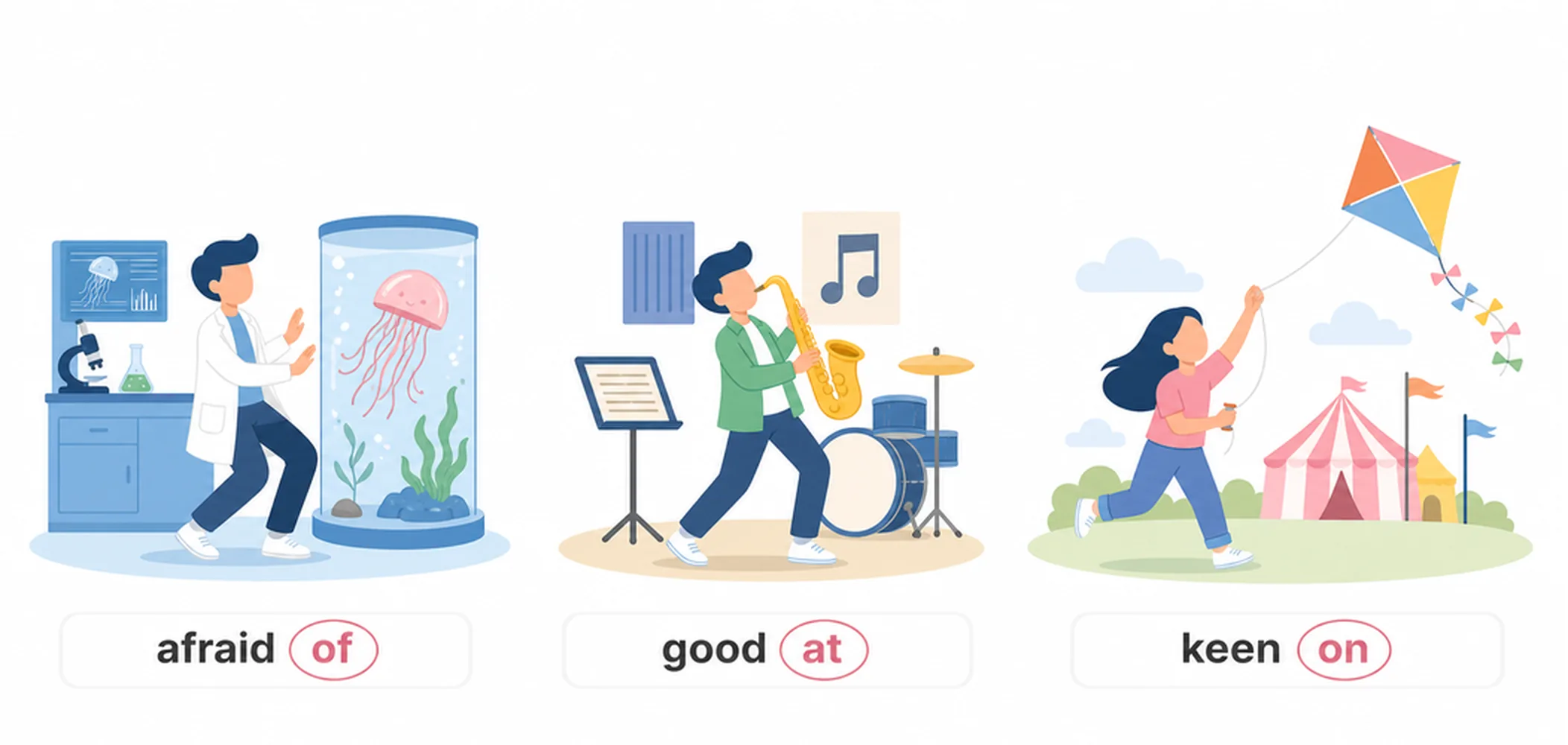
Some adjectives need a preposition after them before you add a noun or verb. We call these dependent prepositions. The preposition depends on the adjective — you cannot change it. For example, we say "afraid of" not "afraid about" or "afraid for". Learning these combinations helps you speak and write more naturally in English.
Common patterns
The most common prepositions with adjectives are: OF, AT, ON, IN, WITH, TO, and FOR. Each adjective has its own correct preposition. For example: afraid OF, good AT, keen ON, interested IN, angry WITH, married TO, responsible FOR. There is no grammar rule to explain why — you need to learn and remember these combinations.
How to use them
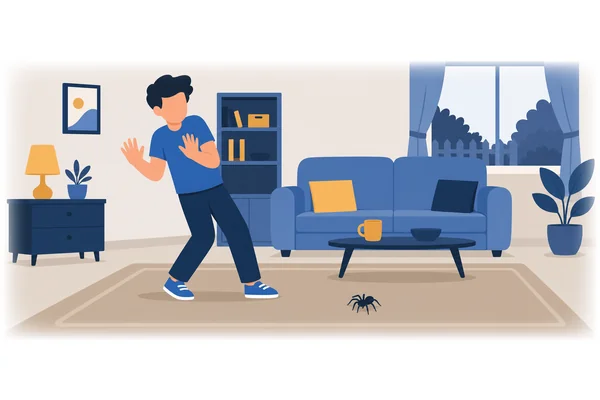
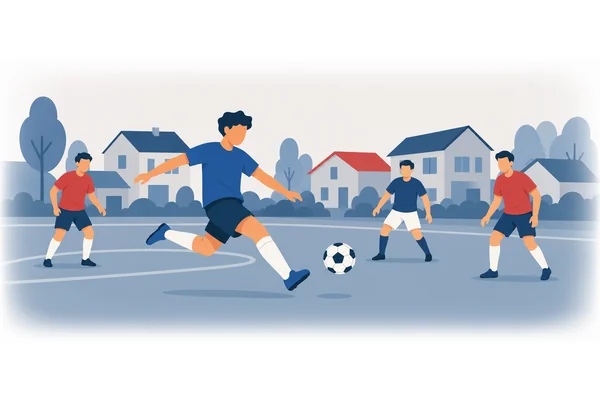
After the adjective + preposition, you can use a noun, gerund (verb + -ing), or noun phrase. Examples: "I am afraid of spiders" (noun), "She is good at swimming" (gerund), "He is interested in history" (noun). Remember: the preposition stays the same, but what comes after can change.
Adjectives + Prepositions List
| Preposition | Adjectives | Example | Note |
|---|---|---|---|
| of | afraid | She is afraid of spiders. | Fear / discomfort |
| aware / unaware | Are you aware of the risks? | Knowledge / consciousness | |
| fond | He is fond of jazz music. | Liking something | |
| proud / ashamed | She is proud of her results. | Feelings about achievements | |
| capable / incapable | He is capable of great work. | Ability / potential | |
| tired / sick | I'm tired of waiting. | Frustration / exhaustion | |
| at | good / bad / excellent / terrible | She is good at maths. | Skill level |
| surprised / amazed / shocked | I was surprised at the news. | Also used with by | |
| angry / annoyed / furious | He was angry at the decision. | Also angry with a person | |
| clever / skilled / hopeless | She's hopeless at cooking. | Skill level (informal) | |
| disappointed | We were disappointed at the result. | Also with for people | |
| on | keen | She's keen on photography. | Enthusiasm / interest |
| dependent / reliant | He is dependent on her help. | Reliance / need | |
| based | The film is based on a novel. | Origin / foundation | |
| focused / intent | Stay focused on your goal. | Concentration / purpose | |
| hard / easy | Don't be too hard on yourself. | Treatment / judgment | |
| with | angry / annoyed / furious / bored | She was annoyed with him. | Use with for people |
| pleased / satisfied / happy | I'm pleased with your progress. | Positive reaction | |
| familiar | Are you familiar with this topic? | Knowledge / experience | |
| disappointed | He was disappointed with her. | Use with for people | |
| obsessed / content | She's obsessed with fitness. | Strong interest / satisfaction | |
| about | worried / nervous / anxious | I'm worried about the exam. | Concern / apprehension |
| excited / enthusiastic | He's excited about the trip. | Positive anticipation | |
| certain / sure / unsure | Are you sure about this? | Confidence / doubt | |
| passionate / opinionated | She's passionate about environmental issues. | Strong feeling / conviction | |
| upset / touchy / sensitive | He's upset about the decision. | Emotional reaction |
Examples



What to Remember
- Some adjectives need a preposition after them before a noun or verb.
- The preposition depends on the adjective and cannot be changed or swapped.
- Common prepositions with adjectives are: of, at, on, in, with, to, for.
- Learn adjective-preposition pairs as fixed units, for example: afraid of, good at.
- Each adjective has only one correct preposition; using the wrong one is wrong.