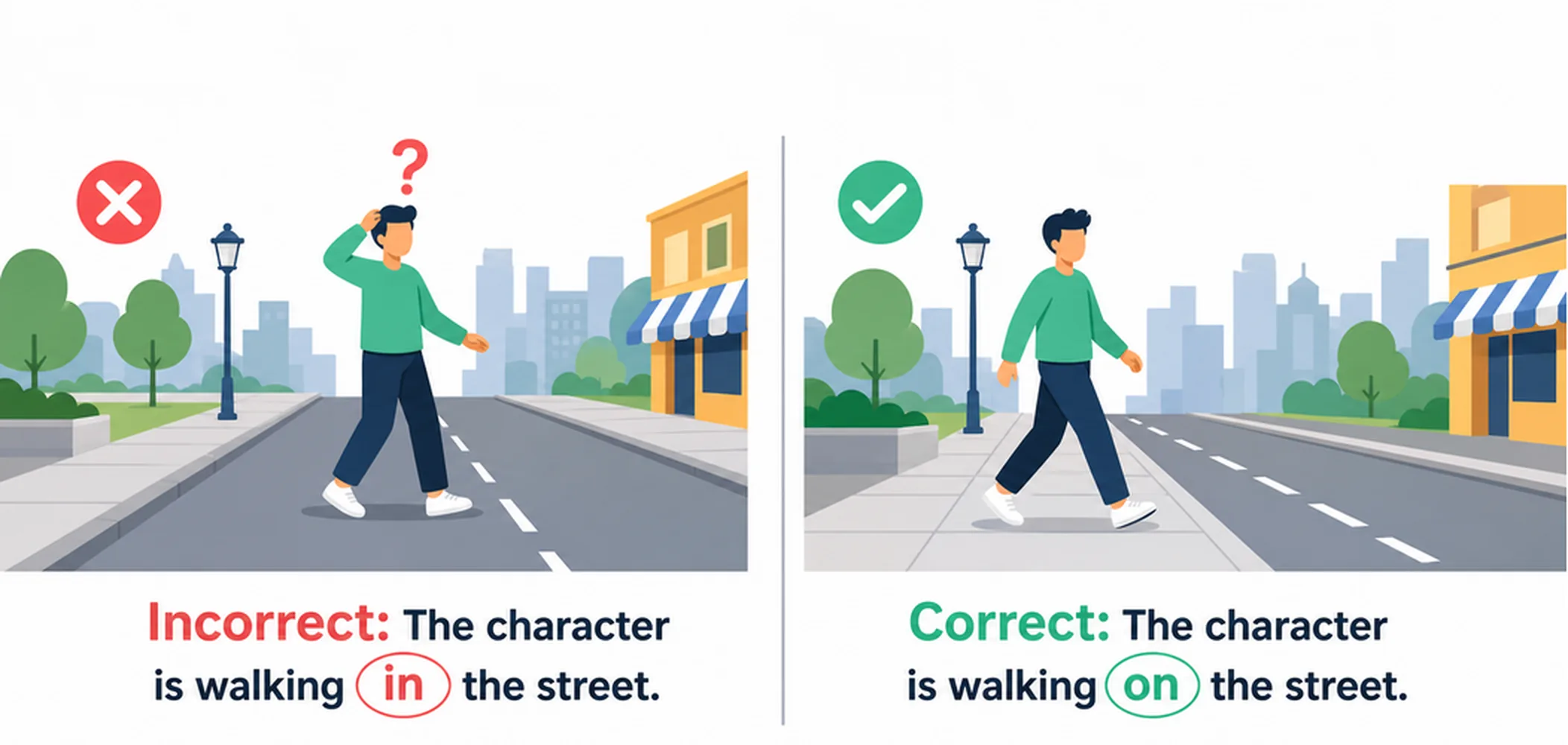
Why Do Learners Make These Mistakes?
Prepositions of movement are tricky because they work differently in each language. Many learners try to translate directly from their native language, but English has its own rules. The most common mistakes happen with TO, IN, ON, THROUGH, and ACROSS. Learning the correct patterns will help you speak and write more naturally.
Common Mistakes with Prepositions of Movement
Here are the mistakes we see most often. Study each one carefully and notice the difference between wrong and right.
Common Mistakes at a Glance: Wrong vs. Right
| Category | Incorrect Usage | Correct Usage | Explanation |
|---|---|---|---|
| Entering a building | She walked in the building. | She walked into the building. | Into shows movement from outside to inside. In is a preposition of place, not movement. Use into when describing the act of entering. |
| Arriving at a destination | They arrived to the airport. | They arrived at the airport. | Arrive is followed by at (for specific places) or in (for cities/countries), never by to. To is used with verbs like go or travel. |
| Going to a city or country | We arrived at Paris. | We arrived in Paris. | Use arrive in for cities, countries, and large areas. Use arrive at for specific smaller locations such as stations, airports, or buildings. |
| Moving through a space | The train went across the tunnel. | The train went through the tunnel. | Through describes movement inside and out the other side of an enclosed space. Across is used for flat surfaces, like a field or a road. |
| Moving over a flat surface | She swam through the lake. | She swam across the lake. | Across describes movement from one side to the other of a flat or open surface. Through implies moving within a surrounding space, not surface-crossing. |
| Leaving a vehicle | He got off from the bus. | He got off the bus. | Get off is a phrasal verb that does not need a second preposition. Adding from is redundant and grammatically incorrect in standard English. |
| Boarding a large vehicle | They got on the car. | They got into the car. | Use get into for enclosed vehicles like cars and taxis. Use get on for larger vehicles you walk onto, such as buses, trains, and planes. |
| Moving toward a point | She ran at the finish line. | She ran to the finish line. | To shows movement toward a destination. At suggests directing an action forcefully or aggressively at something, not general purposeful movement. |
| Movement around an obstacle | The cyclist went through the roundabout. | The cyclist went around the roundabout. | Around describes movement that curves or circles an object or area. Through would imply going inside the object, which is impossible here. |
| Passing a point | We drove by of the old church. | We drove past the old church. | Past correctly describes movement that goes beyond a reference point. By of is not a valid preposition phrase. By alone can work informally but past is more precise for movement. |
| Moving upward | The cat jumped on the wall. | The cat jumped onto the wall. | Onto expresses movement resulting in a position on top of something. On describes a static position and does not convey the dynamic action of moving upward. |
| Leaving a place | He left from home early. | He left home early. | With leave, no preposition is needed before home. Adding from is a common error influenced by other languages. However, depart from home is acceptable since depart requires from. |
| Key Difference Summary: Prepositions of movement describe how and where something moves, not where it is. The most common errors arise from: (1) confusing static prepositions (in, on, at) with movement prepositions (into, onto, to); (2) misapplying through vs across vs around — which depend on whether the movement is inside an enclosure, over a surface, or around an obstacle; and (3) adding unnecessary prepositions to phrasal verbs or verbs that are already directionally complete. Always ask: Is the subject entering, passing through, crossing over, or circling around? Your answer determines the correct preposition. | |||
Examples
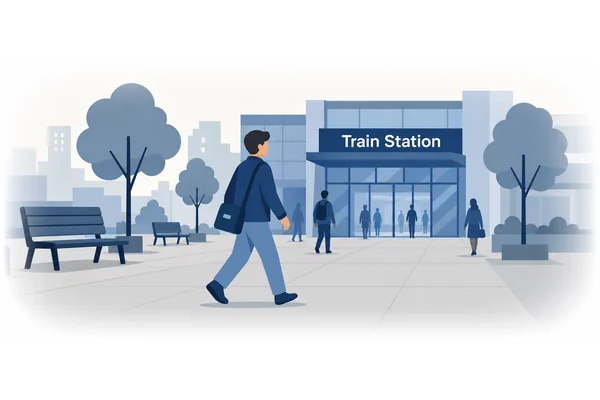
I walked to the train station this morning.
Movement towards a place · Preposition
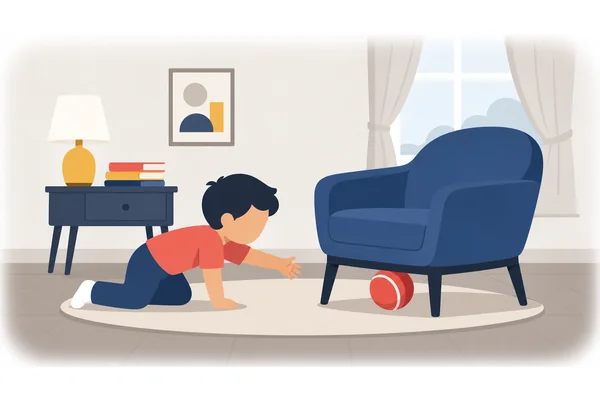
The ball rolled across the floor and stopped under the chair.
Movement from side to side · Preposition

She jumped into the swimming pool without thinking.
Movement entering a space · Preposition
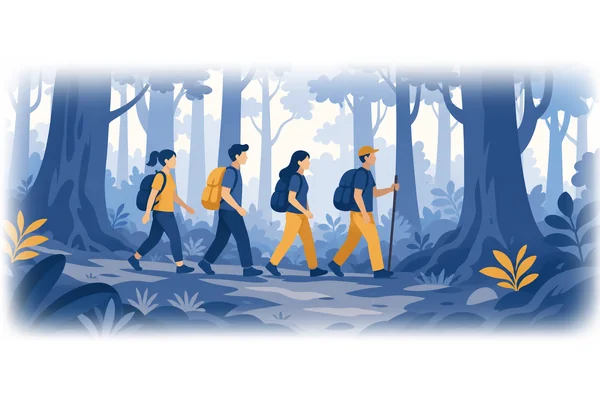
We walked through the forest for three hours.
Movement passing through something · Preposition
When to use it
Travel & Transportation
Describe how you move from place to place using correct direction prepositions.
"I drove to London through the Eurotunnel."
Sport & Exercise
Talk about physical movement and athletic activities.
"She ran across the field towards the goal."
Daily Life
Explain everyday movements in your home and around town.
"I walked into the cafe and ordered a coffee."
Signal words
to
from
into
out of
through
across
along
up
down
towards
away from
on
in
Common Mistakes
✕
Wrong
She went in the hospital.
✓
Correct
She went to the hospital.
Use TO for movement towards a destination. Use IN when you're already inside.
✕
Wrong
The cat jumped in the table.
✓
Correct
The cat jumped on the table.
Use ON for movement to a surface. Use IN for movement into an enclosed space.
✕
Wrong
He ran through the door quickly.
✓
Correct
He ran through the door quickly. OR He ran out of the door quickly.
THROUGH is correct if the door opens to another space. OUT OF is better if leaving a building.
✕
Wrong
We walked across the river on foot.
✓
Correct
We swam across the river.
ACROSS means moving from one side to the other. Check your transportation method makes sense.
✕
Wrong
The bird flew in the sky.
✓
Correct
The bird flew across the sky. OR The bird flew through the sky.
IN describes position (already there). ACROSS or THROUGH describe movement from one place to another.
✕
Wrong
She climbed in the mountain.
✓
Correct
She climbed up the mountain.
Use UP for upward movement. Use IN only when entering an enclosed space.
✕
Wrong
They drove to the city center into their car.
✓
Correct
They drove to the city center in their car.
Use IN with vehicles for 'inside'. INTO describes entering a vehicle. Here, they're already driving.
KEY TAKEAWAYS
What to Remember
- Use TO for movement toward a destination or goal.
- Use IN for movement inside a space or area.
- Use ON for movement onto a surface or upward.
- Use THROUGH for movement from one side to the other.
- Use ACROSS for movement over a distance from side to side.