What Are Prepositions of Movement?
Prepositions of movement describe the direction or path of something moving from one place to another. They tell us where something is going, coming from, or how it travels. Common examples are: into, out of, through, across, towards, away from, along, and over. These prepositions are essential for giving directions, describing journeys, and talking about everyday actions.
Examples — page 1 of 3

The cat ran into the house.
Direction towards the inside · Common action

She walked through the park on her way home.
Movement passing within or across something · Everyday usage
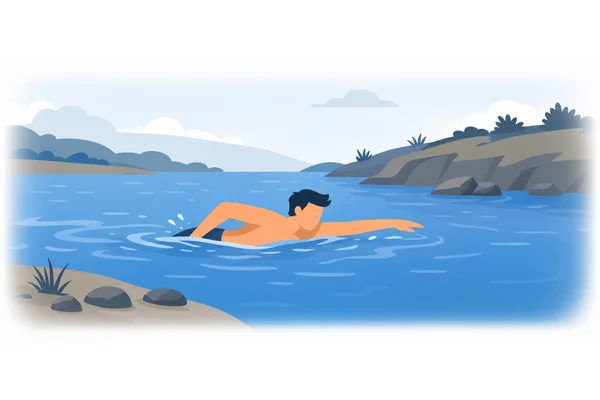
He swam across the river.
Movement from one side to the other · Physical action

The children are running towards the playground.
Direction in the direction of something · Present action

Don't run away from your problems.
Movement in the opposite direction · Advice or figurative

The train went under the bridge.
Movement beneath something · Travel context

She jumped over the fence.
Movement from one side to another, above something · Action

We walked along the beach for two hours.
Movement following the length of something · Leisure activity

The ball rolled out of the room.
Movement from inside to outside · Everyday scenario

They climbed up the mountain.
Movement to a higher position · Physical activity
Signal words
into
out of
through
across
towards
away from
along
over
under
up
down
to
from
around
past
between
KEY TAKEAWAYS
What to Remember
- Prepositions of movement show direction or path, answering where something goes or comes from.
- Use into, out of, through, and across to describe movement entering, leaving, passing within, or crossing spaces.
- Towards and away from indicate movement in the direction of or opposite to a destination or object.
- Along, over, and under describe movement following a line, going above, or passing below something.
- Remember prepositions of movement differ from prepositions of place; movement shows action while place shows position.