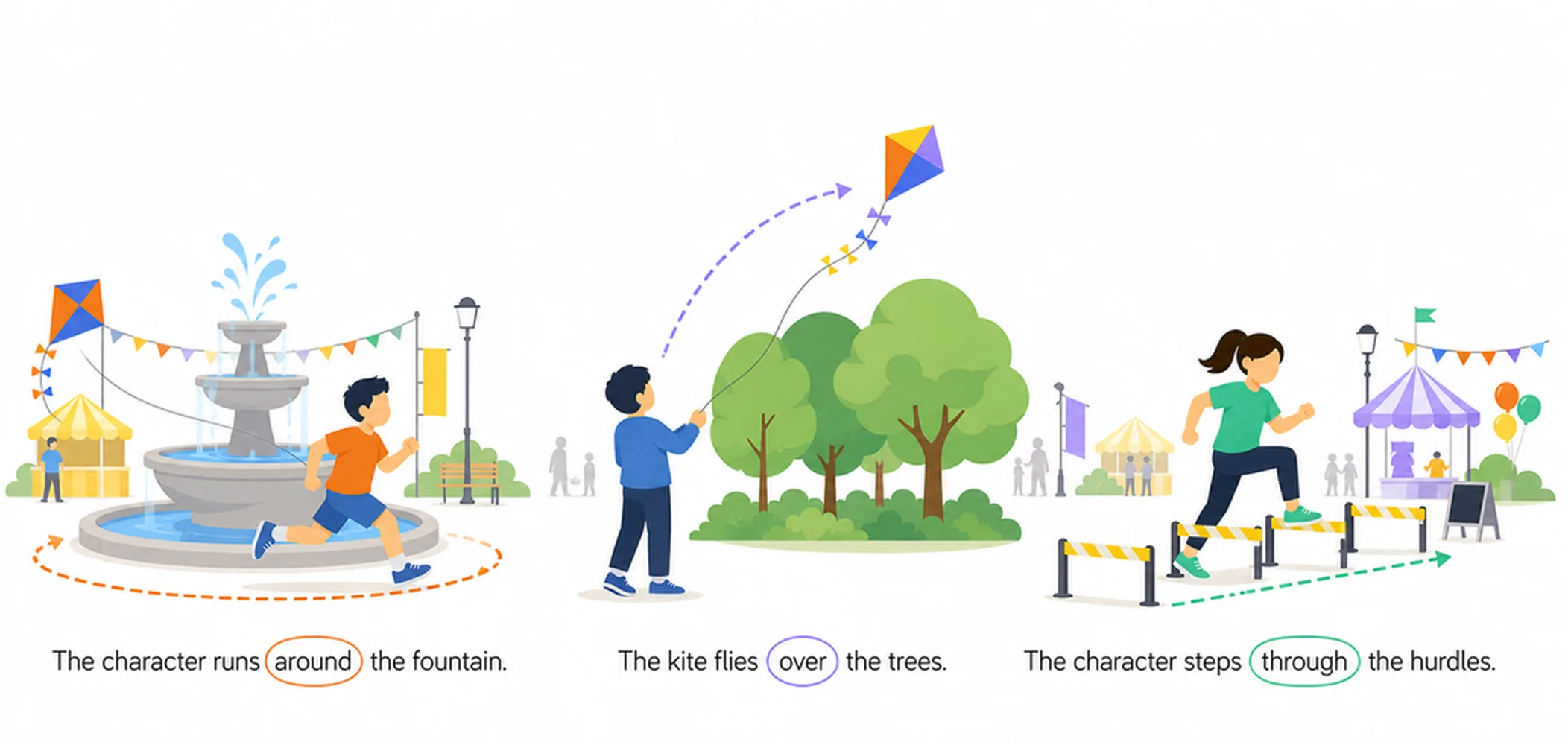
What are prepositions of movement?
Prepositions of movement show direction or the path something takes. They tell us where someone or something is going, coming from, or moving through. These prepositions are important for describing actions and journeys in English. Common prepositions of movement include: into, out of, through, towards, away from, across, along, up, down, and over.
How to use them
Prepositions of movement usually come after verbs like go, move, walk, run, travel, or come. They connect the verb to a noun (place or thing). The basic pattern is: Subject + Verb + Preposition of Movement + Noun. For example: 'She walked into the room' or 'They ran towards the door.' The noun after the preposition tells us the destination or direction.
Common prepositions explained
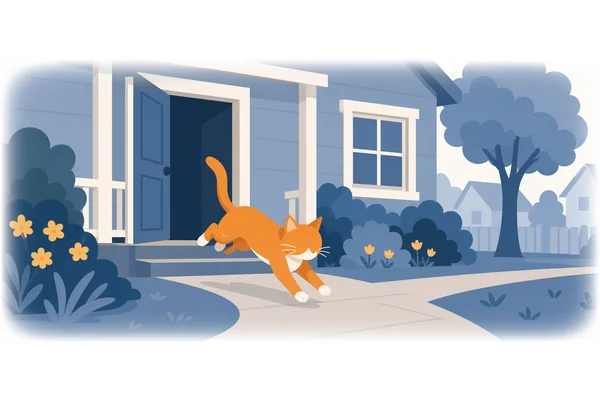
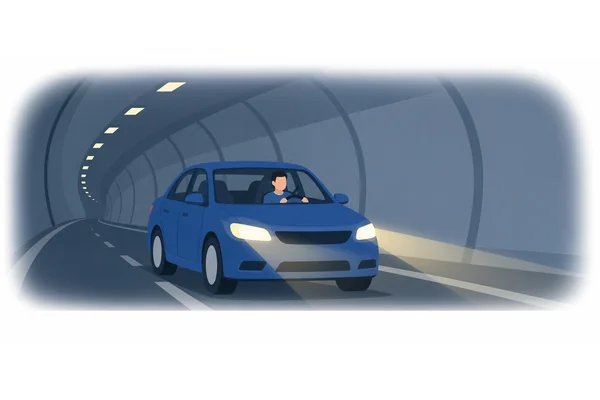
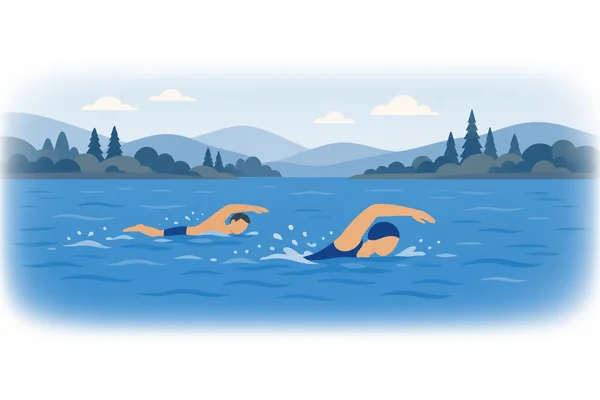
INTO means entering a place (go into a room). OUT OF means leaving a place (come out of a building). THROUGH means moving in one side and out the other (walk through a door). TOWARDS means moving in the direction of something (run towards the station). AWAY FROM means moving in the opposite direction (walk away from home). ACROSS means moving from one side to another (swim across the river). ALONG means moving beside or on a line (walk along the street).
Prepositions of Movement — Quick Reference Guide
| Preposition | Meaning | Type of Motion | Example Phrase | Note |
|---|---|---|---|---|
| to | Moving toward a destination | Directional / destination-focused | She walked to the store. | Most common destination preposition; implies arrival |
| toward / towards | Moving in the direction of something, not necessarily arriving | Directional / approach without guaranteed arrival | He ran toward the exit. | Toward (US) / towards (UK); arrival not implied |
| from | Moving away from a starting point or origin | Origin / departure | They drove from Paris. | Often paired with to: from X to Y |
| away from | Moving in the opposite direction of something | Departure / distancing | The dog ran away from the noise. | Emphasises increasing distance from a point |
| into | Moving to the inside of something | Entry / inward movement | She jumped into the pool. | Contrasts with in (static position) |
| out of | Moving from the inside to the outside of something | Exit / outward movement | He climbed out of the car. | Opposite of into |
| through | Moving from one side of something to the other, passing inside it | Passage / traversal | We drove through the tunnel. | Implies entering and exiting the same object or space |
| across | Moving from one side of a surface or area to the other | Traversal of a flat or open surface | They swam across the river. | Used for surfaces, water, open areas; contrast with through |
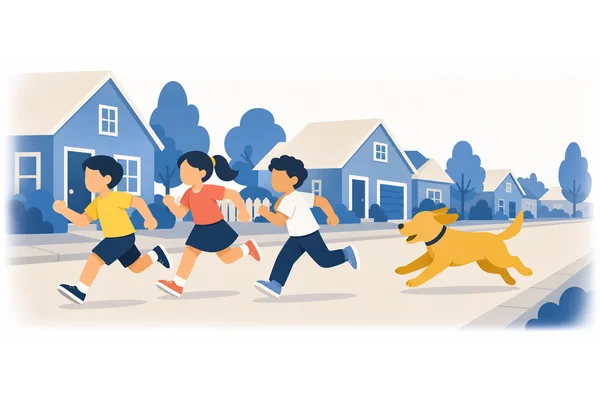
| along | Moving in a line beside or following the length of something | Linear / parallel movement | We walked along the beach. | Follows a path, road, river, or edge |
| around / round | Moving in a circle or curve enclosing something | Circular / encircling movement | The children ran around the tree. | Round is more common in British English |
| over | Moving above and across something, often in an arc | Upward arc / crossing above | The bird flew over the fence. | Can imply crossing from one side to the other at height |
| under / underneath | Moving below something | Downward / below-surface movement | The cat crept under the table. | Opposite of over |
| up | Moving to a higher position | Upward movement | She climbed up the stairs. | Also used for movement along an ascending path |
| down | Moving to a lower position | Downward movement | He slid down the slope. | Opposite of up |
Examples


What to Remember
- Prepositions of movement show direction or the path something takes through space.
- Common prepositions of movement are: into, out of, through, towards, across, along, up, down, and over.
- Prepositions of movement follow action verbs like go, move, walk, run, travel, and come.
- Each preposition of movement connects the verb to a noun (place or destination).
- Use into for entering a place and out of for leaving a place.