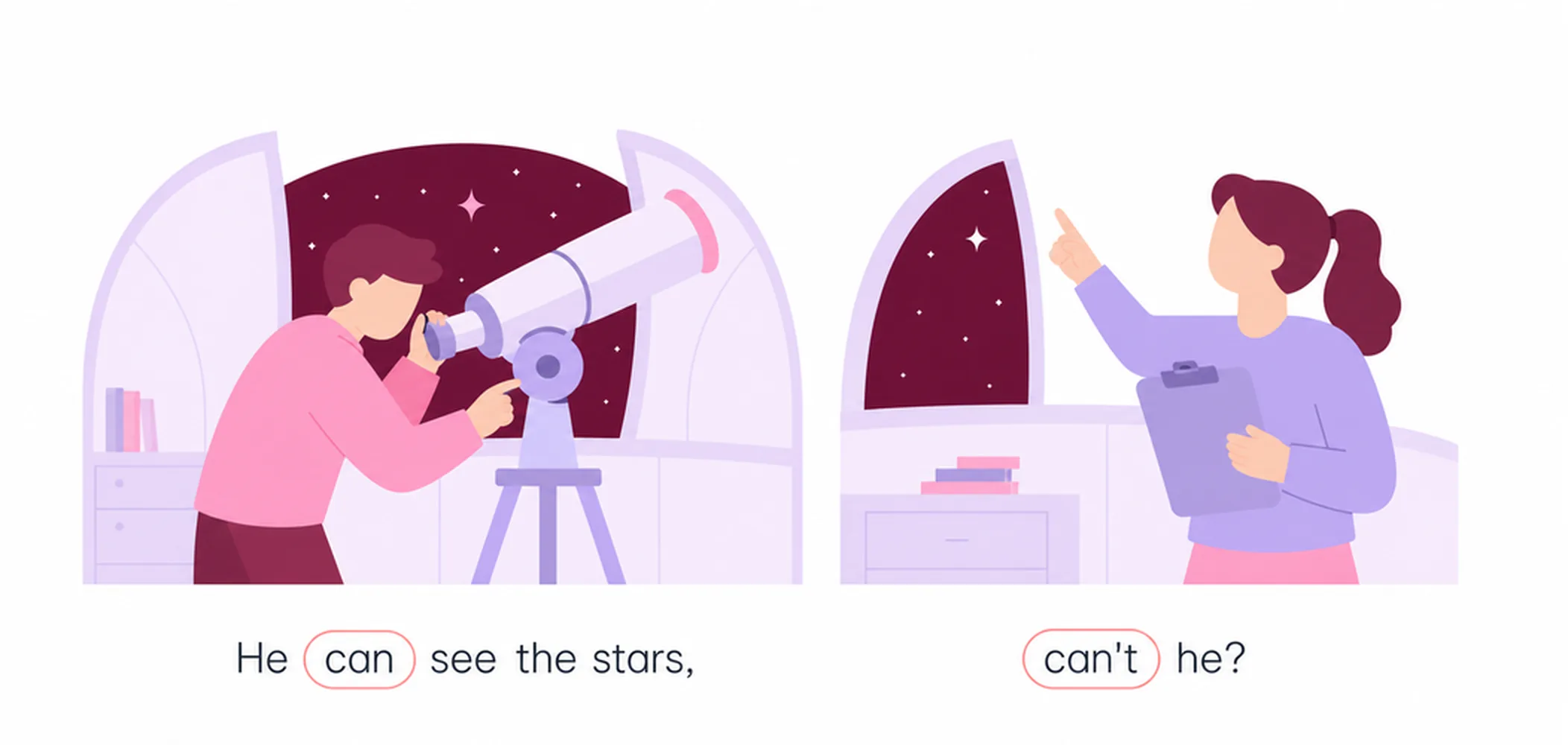
What are question tags with modal verbs?
A question tag is a short question at the end of a sentence. We use it to ask for agreement or confirmation. When the main verb is a modal verb (can, will, must, should, could, would), we use the same modal verb in the question tag. For example: "You can swim, can't you?" The question tag is a quick way to check if someone agrees with you.
How to form question tags with modal verbs
The rule is simple: use the same modal verb in the question tag. If the main sentence is positive, make the question tag negative. If the main sentence is negative, make the question tag positive. Remember: the subject in the question tag must match the subject in the main sentence, and we usually use pronouns (you, he, she, it, they, we).
Question Tag Forms for Each Modal Verb
| Question Tags with Modal Verbs | |||
|---|---|---|---|
| Modal: CAN | |||
| Pronoun | Positive Statement | Negative Statement | Question Tag Form |
| I | I can swim, can't I? |
I can't swim, can I? |
Negative: can't I? / Positive: can I? |
| you | You can drive, can't you? |
You can't drive, can you? |
Negative: can't you? / Positive: can you? |
| he/she/it | She can cook, can't she? |
He can't cook, can he? |
Negative: can't he/she/it? / Positive: can he/she/it? |
| we | We can leave, can't we? |
We can't leave, can we? |
Negative: can't we? / Positive: can we? |
| you (plural) | You can wait, can't you? |
You can't wait, can you? |
Negative: can't you? / Positive: can you? |
| they | They can help, can't they? |
They can't help, can they? |
Negative: can't they? / Positive: can they? |
| Modal: WILL | |||
| Pronoun | Positive Statement | Negative Statement | Question Tag Form |
| I | I will come, won't I? |
I won't come, will I? |
Negative: won't I? / Positive: will I? |
| you | You will try, won't you? |
You won't try, will you? |
Negative: won't you? / Positive: will you? |
| he/she/it | He will call, won't he? |
She won't call, will she? |
Negative: won't he/she/it? / Positive: will he/she/it? |
| we | We will finish, won't we? |
We won't finish, will we? |
Negative: won't we? / Positive: will we? |
| you (plural) | You will agree, won't you? |
You won't agree, will you? |
Negative: won't you? / Positive: will you? |
| they | They will go, won't they? |
They won't go, will they? |
Negative: won't they? / Positive: will they? |
| Modal: MUST | |||
| Pronoun | Positive Statement | Negative Statement | Question Tag Form |
| I | I must go, mustn't I? |
I mustn't go, must I? |
Negative: mustn't I? / Positive: must I? |
| you | You must stay, mustn't you? |
You mustn't stay, must you? |
Negative: mustn't you? / Positive: must you? |
| he/she/it | She must leave, mustn't she? |
He mustn't leave, must he? |
Negative: mustn't he/she/it? / Positive: must he/she/it? |
| we | We must hurry, mustn't we? |
We mustn't hurry, must we? |
Negative: mustn't we? / Positive: must we? |
| you (plural) | You must submit, mustn't you? |
You mustn't submit, must you? |
Negative: mustn't you? / Positive: must you? |
| they | They must wait, mustn't they? |
They mustn't wait, must they? |
Negative: mustn't they? / Positive: must they? |
| Modal: SHOULD | |||
| Pronoun | Positive Statement | Negative Statement | Question Tag Form |
| I | I should rest, shouldn't I? |
I shouldn't rest, should I? |
Negative: shouldn't I? / Positive: should I? |
| you | You should learn, shouldn't you? |
You shouldn't learn, should you? |
Negative: shouldn't you? / Positive: should you? |
| he/she/it | She should apply, shouldn't she? |
He shouldn't apply, should he? |
Negative: shouldn't he/she/it? / Positive: should he/she/it? |
| we | We should prepare, shouldn't we? |
We shouldn't prepare, should we? |
Negative: shouldn't we? / Positive: should we? |
| you (plural) | You should attend, shouldn't you? |
You shouldn't attend, should you? |
Negative: shouldn't you? / Positive: should you? |
| they | They should know, shouldn't they? |
They shouldn't know, should they? |
Negative: shouldn't they? / Positive: should they? |
Formula
✔ Positive
Subject
+
modal verb
+
verb
+
...
+
modal verb + not
+
subject (pronoun)?
You will come tomorrow, won't you?
✖ Negative
Subject
+
modal verb + not
+
verb
+
...
+
modal verb
+
subject (pronoun)?
They can't drive, can they?
Examples

You will help me, won't you?
Making a polite request · Modal: will

She should study harder, shouldn't she?
Asking for agreement · Modal: should

We can solve this problem, can't we?
Looking for agreement · Modal: can
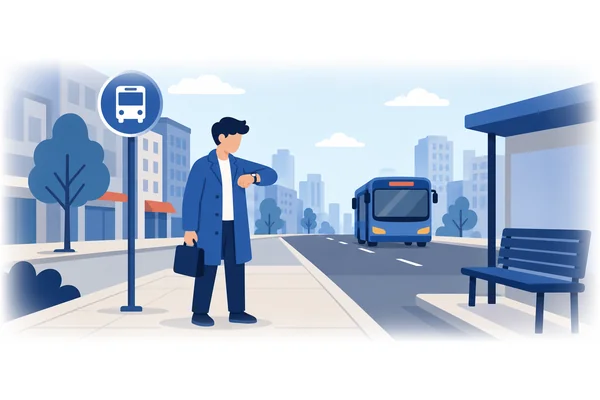
They won't arrive late, will they?
Asking for confirmation · Modal: will
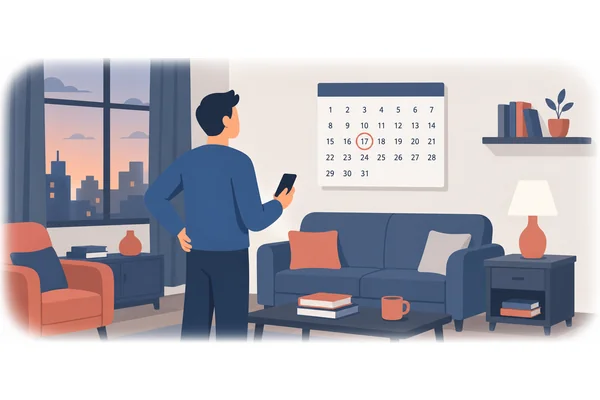
He couldn't come yesterday, could he?
Referring to past ability · Modal: could
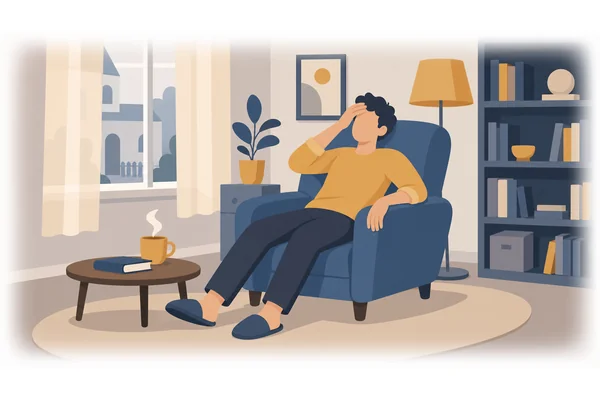
You must be tired, mustn't you?
Expressing logical conclusion · Modal: must
When to use it
Making polite requests
Use question tags with will or would to ask someone to do something politely. The question tag makes the request sound friendlier and less direct.
"You will pass me the salt, won't you?"
Asking for confirmation
Use question tags to check if what you believe is true. This is common in conversations when you want to confirm information.
"You can speak French, can't you?"
Expressing opinions
Use question tags with should or must to share your opinion and check if others agree with you.
"They should work harder, shouldn't they?"
Signal words
will/won't
can/can't
could/couldn't
should/shouldn't
would/wouldn't
must/mustn't
may/may not
Common Mistakes
✕
Wrong
You will help me, will you?
✓
Correct
You will help me, won't you?
After a positive sentence, the question tag must be negative. Use won't, not will.
✕
Wrong
She can't swim, can't she?
✓
Correct
She can't swim, can she?
After a negative sentence, the question tag must be positive. Use can, not can't.
✕
Wrong
You should be quiet, should you?
✓
Correct
You should be quiet, shouldn't you?
After a positive sentence with should, use shouldn't in the question tag, not should.
✕
Wrong
He will come, won't he tomorrow?
✓
Correct
He will come tomorrow, won't he?
The question tag goes at the end of the sentence, after all other information.
KEY TAKEAWAYS
What to Remember
- A question tag is a short question added at the end of a sentence for confirmation.
- Use the same modal verb in the question tag as in the main sentence.
- If the main sentence is positive, make the question tag negative, and vice versa.
- The question tag inverts the positive/negative form to match the main clause's meaning.
- Modal verbs in question tags include can, will, must, should, could, and would.