What are yes/no questions?
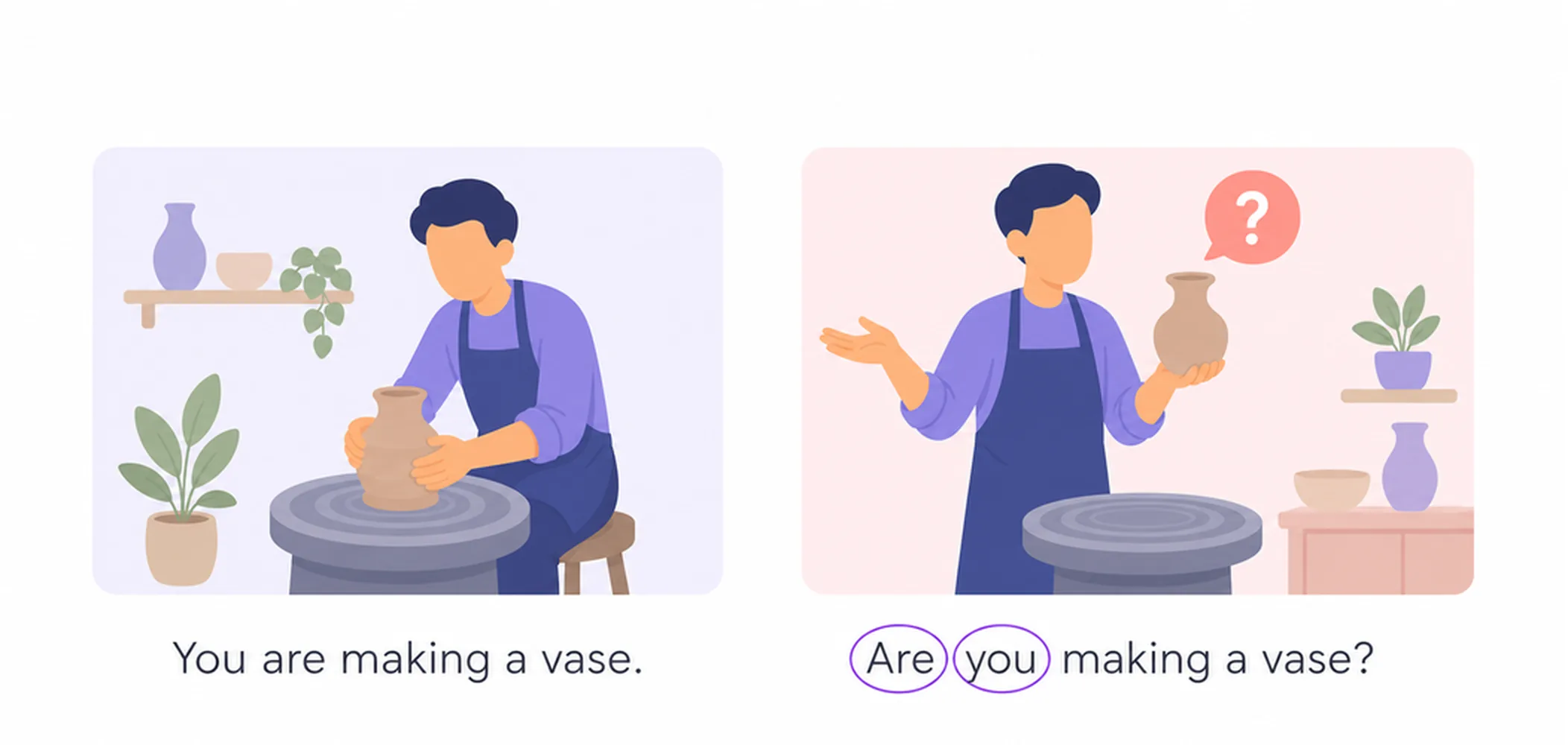
Yes/no questions are questions that ask for a simple 'yes' or 'no' answer. They are very common in everyday English. These questions start with an auxiliary verb like 'do', 'does', 'did', 'is', 'are', 'can', or 'will'. The main difference between a statement and a yes/no question is the word order.
How to form yes/no questions
To make a yes/no question, move the auxiliary verb to the beginning of the sentence, before the subject. The basic pattern is: Auxiliary verb + Subject + Main verb + Object? For example: 'Do you like coffee?' In this question, 'do' is the auxiliary verb that moves to the front.
Different tenses and question forms
Different tenses use different auxiliary verbs. Present simple uses 'do' or 'does'. Past simple uses 'did'. Present continuous uses 'is', 'are', or 'am'. Future simple uses 'will'. Modal verbs like 'can', 'could', 'should', and 'must' also move to the front. The rule is always the same: put the auxiliary verb first.
How to Form a Yes/No Question — Step by Step
To form a yes/no question in English, you need to invert the subject and the auxiliary verb. This creates a question that expects a "yes" or "no" answer. The process is straightforward once you understand the basic word order pattern.
She is studying.
They have finished the project.
You will arrive tomorrow.
Is she studying?
Have they finished the project?
Will you arrive tomorrow?
Are you eating breakfast now?
Special case: Simple present and simple past with "do"
Statement: You like coffee.
Question: Do you like coffee?
Statement: She watched the film yesterday.
Question: Did she watch the film yesterday?
Quick reference: Yes/no question formation by tense
| Tense | Auxiliary Verb | Example Question |
|---|---|---|
| Simple Present | do / does | Do you study English? |
| Simple Past | did | Did they arrive on time? |
| Present Continuous | am / is / are | Are you working right now? |
| Past Continuous | was / were | Were they playing outside? |
| Present Perfect | have / has | Have you seen that movie? |
| Past Perfect | had | Had she left before noon? |
| Future Simple | will | Will you help me tomorrow? |
| Present Perfect Continuous | have / has | Have you been waiting long? |
| Past Perfect Continuous | had | Had they been working all day? |
| Future Continuous | will | Will she be studying at eight? |
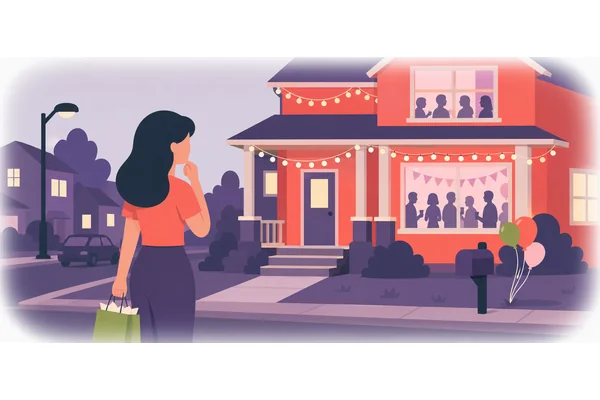
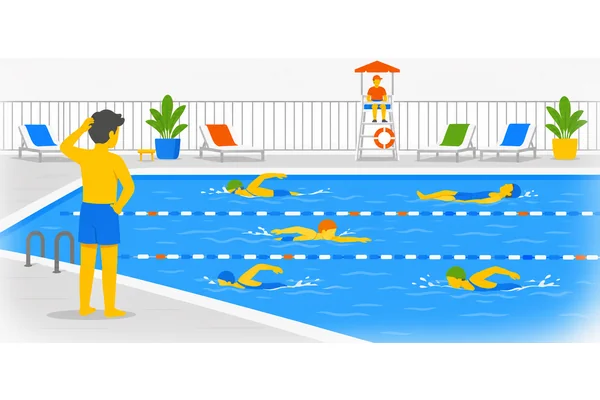
Examples



What to Remember
- Yes/no questions start with an auxiliary verb like do, does, did, is, are, can, or will.
- Move the auxiliary verb before the subject to change a statement into a yes/no question.
- The word order pattern is: Auxiliary verb + Subject + Main verb + Object + question mark.
- Yes/no questions expect only 'yes' or 'no' as an answer, unlike wh- questions.
- If there is no auxiliary verb in the statement, add 'do' or 'does' to form the question.