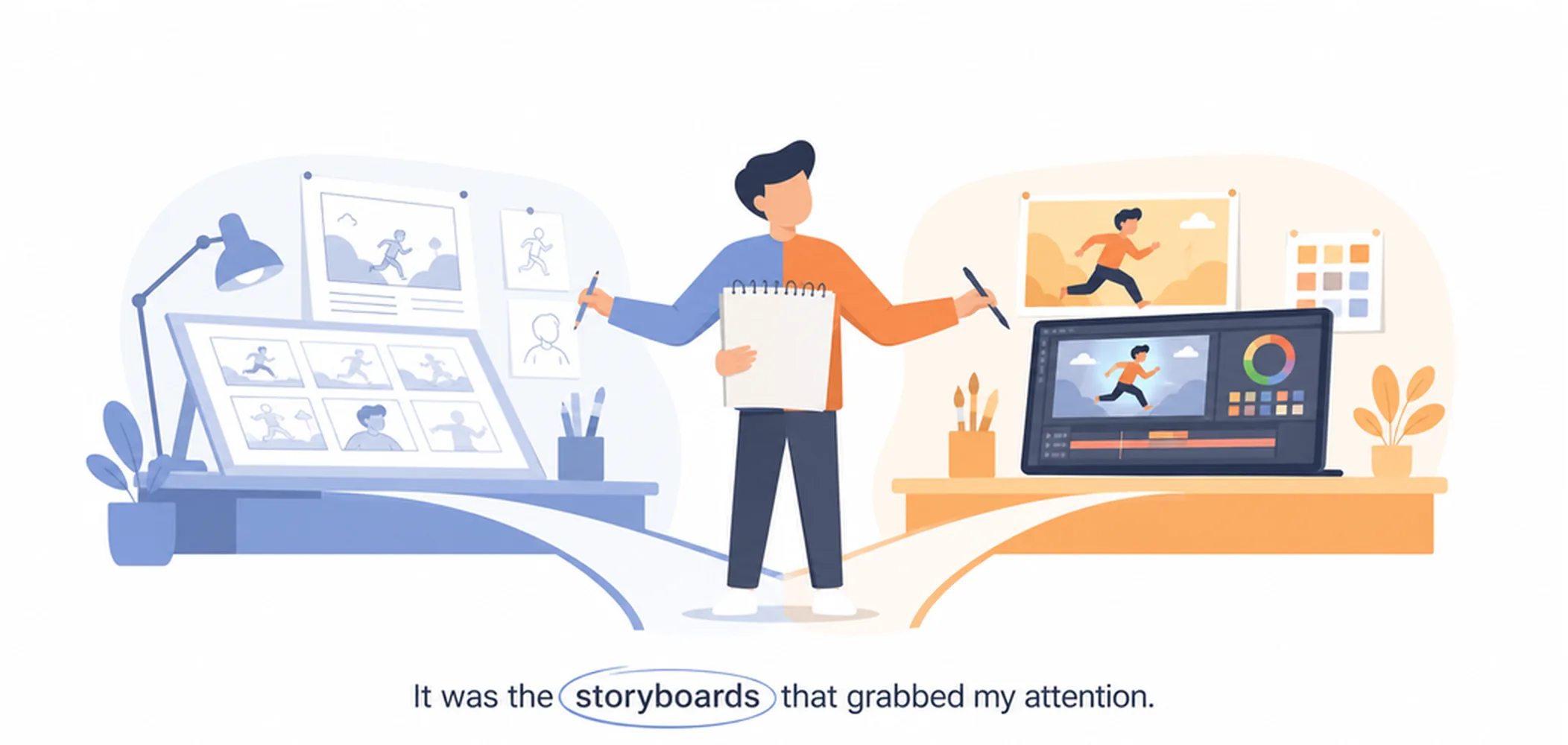
What is a Cleft Sentence?
A cleft sentence is a special sentence structure that divides a simple sentence into two parts to emphasize or highlight one specific piece of information. The word 'cleft' means 'split' or 'divided.' Instead of saying something directly, you break it into two clauses using 'it is' or 'it was.' This helps you draw attention to the most important word or phrase.
Cleft sentences are very common in spoken English and writing because they make your message stronger and clearer. They help you show what you think is most important.
How to Form Cleft Sentences
The basic pattern is simple: 'It + be (is/was) + emphasized word/phrase + relative clause.' You take a normal sentence and highlight one part by putting it after 'it is' or 'it was,' then complete the meaning with a relative clause using 'that' or 'who.'
For example, the sentence 'My brother bought the car' can become 'It was my brother who bought the car' (emphasizing who) or 'It was the car that my brother bought' (emphasizing what). The choice depends on which information you want to highlight.
Why Use Cleft Sentences?
Cleft sentences help you organize information clearly and make certain facts stand out. They are especially useful when you want to correct someone, show contrast, or make your writing or speech more engaging. In conversations, cleft sentences often sound more natural and emphatic than simple sentences.
Types of Cleft Sentences
| Attribute | It-Cleft | Wh-Cleft (Pseudo-Cleft) | Reverse Wh-Cleft (Inverted Pseudo-Cleft) |
|---|---|---|---|
| Form | It + be + focused element + relative clause (that/who/which…) | Wh-clause (what/where/who…) + be + focused element | Focused element + be + wh-clause (what/where/who…) |
| When to use | To highlight a specific person, thing, time, or reason by placing it at the front of the sentence after it is/was | To build up context first using a wh-clause, then reveal new or important information at the end | To place the focused element at the very start for maximum emphasis, with the wh-clause following as a comment |
| Positive example | It was Maria who called you last night. | What I need is a long holiday. | A long holiday is what I need. |
| Negative example | It was not the manager who made the decision. | What she didn't expect was his resignation. | His resignation was not what she expected. |
| Question example | Was it the noise that woke you up? | Is what you want more time? | More time — is that what you want? |
| Key signal words | It is / It was / It wasn't … that / who / which | What / Where / When / Who / Why / How + clause + is/was | Focused noun/phrase at start + is/was + what / where / when / who / why |
| Key Difference: All three cleft structures divide a sentence into two parts to emphasise one element, but they differ in word order and focus position. The it-cleft uses a dummy it to push the focus to a mid-sentence slot and is the most common in both speech and writing. The wh-cleft (pseudo-cleft) builds background information first in a wh-clause and saves the new, most important information for the end — making it ideal for introducing surprising or conclusive details. The reverse wh-cleft (inverted pseudo-cleft) flips this structure so the focused element comes first, creating the strongest fronted emphasis and often a more dramatic or declarative tone. Choosing between them depends on where in the sentence the speaker wants the listener's attention to land. | |||
Examples





What to Remember
- A cleft sentence splits a simple sentence into two parts using 'it is' or 'it was' to emphasize information.
- The basic structure is: It + be + emphasized element + relative clause (It is John who called me).
- Cleft sentences highlight one specific piece of information by placing it between 'it is/was' and the relative clause.
- Use cleft sentences in speaking and writing to make your message stronger and draw attention to important details.
- The emphasized element can be a person, thing, time, or reason, but it must come directly after 'it is/was'.