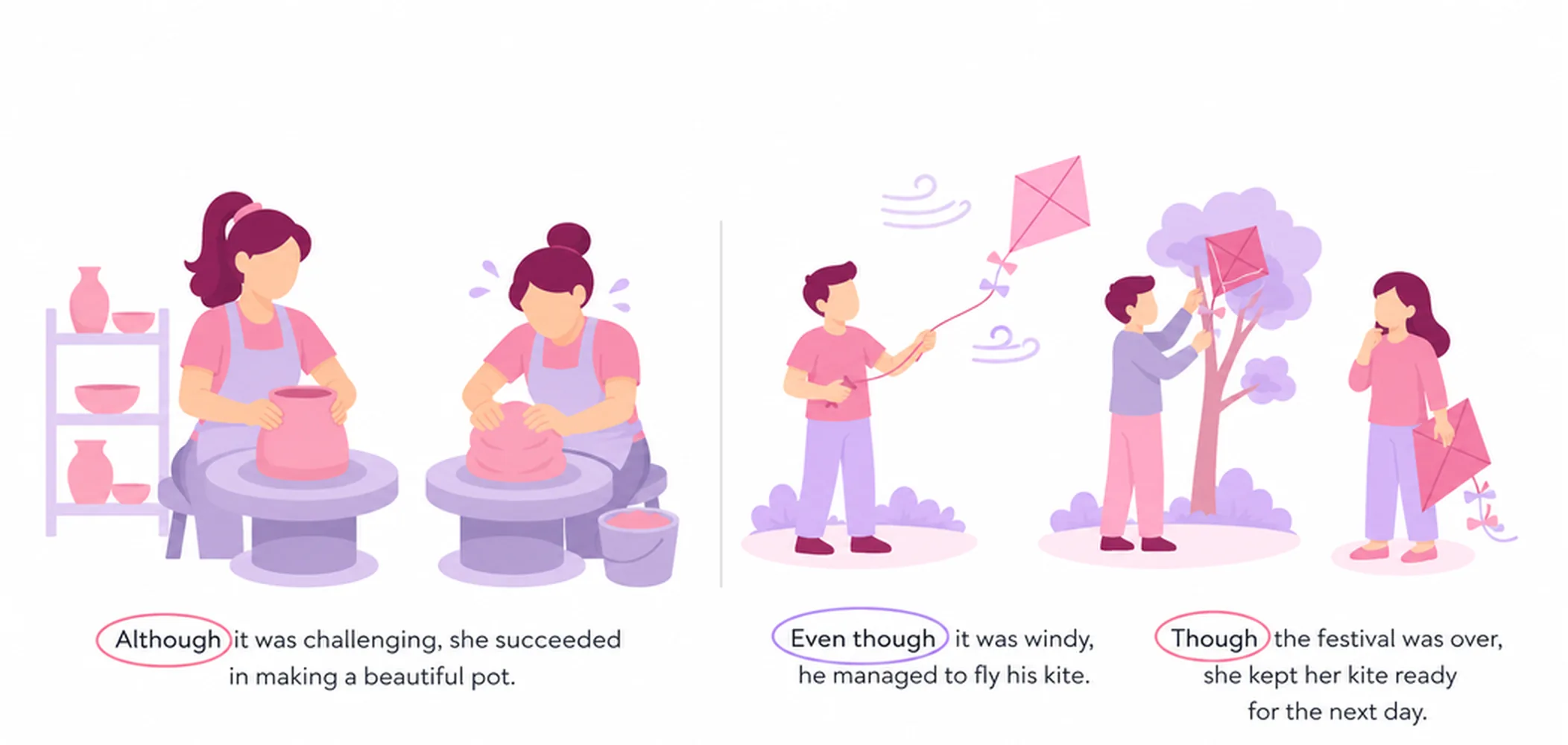
The Key Difference
Although, even though, and though are all subordinating conjunctions that introduce a contrasting or unexpected idea. They mean the same thing, but they differ in formality and emphasis. Although is the most formal and common in written English. Even though emphasizes that something is surprising or unusual. Though is more flexible—it can be formal or informal, and it can appear at the start or end of a sentence. Understanding these subtle differences helps you choose the right word for your context.
Although: The Formal Choice
Although is the most formal and widely used of the three. It always introduces a dependent clause and must appear at the beginning or middle of a sentence. Use although in academic writing, professional emails, and formal presentations. It clearly shows contrast without adding emotional emphasis.
Even Though: Adding Surprise or Emphasis
Even though works like although, but it adds an extra layer of meaning: it suggests that the contrast is striking or unexpected. The word 'even' emphasizes the surprise. Use even though when you want to show that something is remarkable or noteworthy. It is common in both spoken and written English.
Though: The Flexible Option
Though is the most flexible of the three. It can appear at the beginning of a sentence like although, or at the end as a closing remark. Though is less formal than although and is common in everyday conversation. It can also mean 'however' or 'nevertheless' when it appears at the sentence end.
Side-by-Side Comparison
Although: Most formal; always at the start or middle; no emotional emphasis; common in writing. Even though: Same meaning as although; adds surprise or emphasis; spoken and written; 'even' strengthens the contrast. Though: Most flexible; can appear at the start or end; informal tone; can mean 'however' at the end.
Pro Tip
Remember: all three words express contrast, so they are interchangeable in most situations. If you are unsure which to use, although is always a safe choice. Even though is perfect when you want to emphasize surprise. Though is your friend in informal speaking or when you need flexibility with sentence position.
Although vs Even Though vs Though: At a Glance
| Criteria | Although | Even Though | Though |
|---|---|---|---|
| Form | Subordinating conjunction; introduces a subordinate clause expressing contrast or concession | Two-word subordinating conjunction (even + though); introduces a subordinate clause with stronger emphasis on contrast | Subordinating conjunction or adverb; more flexible in usage; can also function as an adverb at the end of a sentence |
| Formality Level | Neutral to formal; suitable for both written and spoken English in academic, professional, and everyday contexts | Neutral; commonly used in both spoken and written English; slightly more emphatic than although but not informal | Informal to neutral; most common in everyday spoken English; less preferred in formal academic writing |
| Emotional Emphasis | Low to moderate emphasis; presents contrast in a balanced, neutral tone without strong emotion | High emphasis; stresses that the contrast is surprising, unexpected, or particularly noteworthy; the strongest of the three | Low emphasis; casual and matter-of-fact; when used as an adverb at the end, it adds a mild afterthought-style contrast |
| Sentence Position | Can appear at the beginning or in the middle of a sentence; cannot be used at the end of a sentence | Can appear at the beginning or in the middle of a sentence; cannot be used at the end of a sentence | Most flexible; can appear at the beginning, middle, or end of a sentence (as an adverb at the end: "It was hard work, though.") |
| Typical Context of Use | Essays, reports, formal letters, journalism, and general writing where a neutral concessive tone is needed | Situations where the speaker wants to highlight that something happened despite a significant obstacle or surprising condition | Everyday conversation, informal writing, and as a sentence-final adverb to add a brief contrasting point casually |
| Positive Example | Although it was raining, we decided to go for a walk. | Even though she was exhausted, she stayed up to finish the project. | Though it was cold, the children played outside. / It was a good film, though. |
| Negative Example | Although he didn't study, he passed the exam. | Even though he had no experience, he got the job. | Though she didn't agree, she kept quiet. / She didn't agree, though. |
| Question Example | Can you help me, although you are busy right now? | Will you come even though you're not feeling well? | Though it's late, can we still talk? / Can we still talk, though? |
| Key Signal Words / Pairings | Often used with: still, nevertheless, yet; pairs naturally with formal contrast language | Often used with: still, anyway, regardless; the word "even" is the key intensifier signalling strong surprise or contradiction | Often used with: even (even though = stronger form); as a standalone adverb pairs with casual discourse markers like "well" or "but" |
| Interchangeability | Often interchangeable with though at the start or middle of a sentence; cannot always replace even though without losing emphasis | Can replace although or though in most positions, but adds stronger emphasis; not interchangeable in end-of-sentence adverb use | Can replace although at the start or middle; uniquely able to appear at the end of a sentence where neither although nor even though can be used |
| 🔑 Key Difference: All three words introduce contrast or concession, but they differ in emphasis and flexibility. Although is the most neutral and formal choice, ideal for balanced written English. Even though is the most emphatic, used when the contrast is surprising or particularly strong — the word "even" intensifies the concession. Though is the most versatile and informal: it works like although at the start or middle of a sentence, but it uniquely functions as an adverb at the end of a sentence to add a casual, afterthought-style contrast. When in doubt in formal writing, use although; when you want strong emphasis, use even though; for casual speech or a sentence-final contrast, use though. | |||
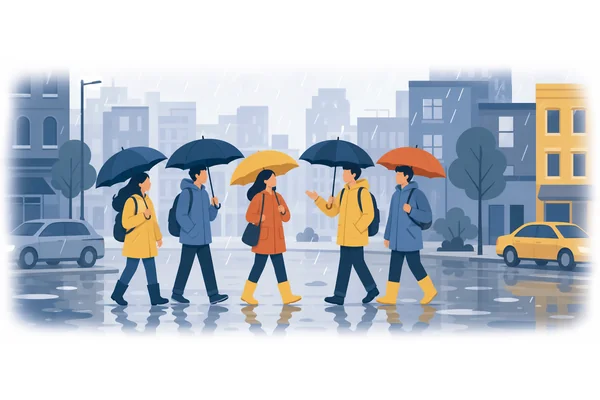
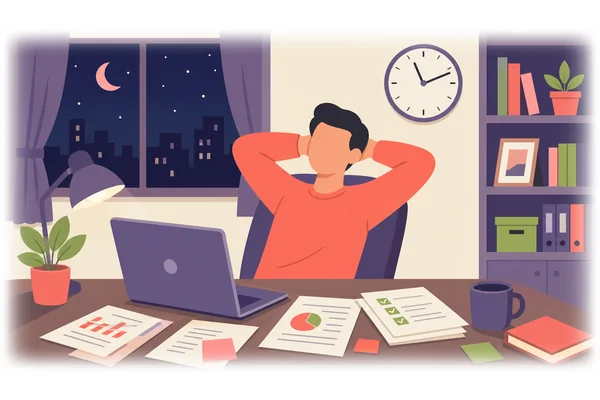
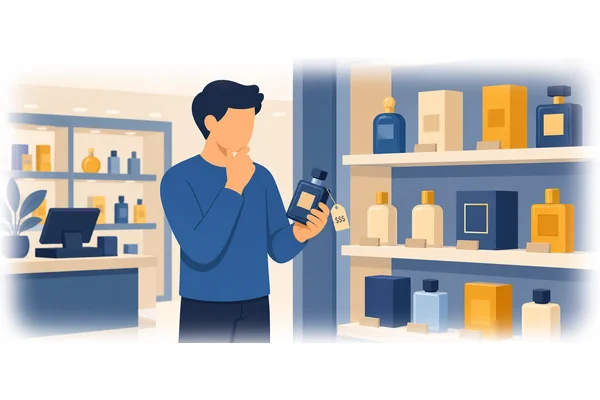
Examples






What to Remember
- Although, even though, and though all introduce contrasting ideas and are largely interchangeable in meaning.
- Although is the most formal option and preferred in academic and professional written English.
- Even though emphasizes surprise or unexpectedness, making the contrast feel more striking or remarkable.
- Though offers flexibility, appearing at sentence start, middle, or end, ranging from formal to informal.
- Though can also stand alone at sentence end to mean "however," unlike although or even though.