Grammar C1 Future Perfect

What is the future perfect tense?

What is the future perfect tense?

Definition and Formation

The future perfect tense describes an action that will be completed before a specific moment in the future. It is formed using the auxiliary verbs 'will have' or 'shall have' followed by the past participle of the main verb. This tense emphasizes completion and temporal positioning—the action is not merely future, but definitively finished by a referenced time. The future perfect is particularly valuable in advanced English for establishing clear chronological relationships between events and for sophisticated narrative planning. It signals both futurity and aspect (the perfective aspect, indicating wholeness or completion).

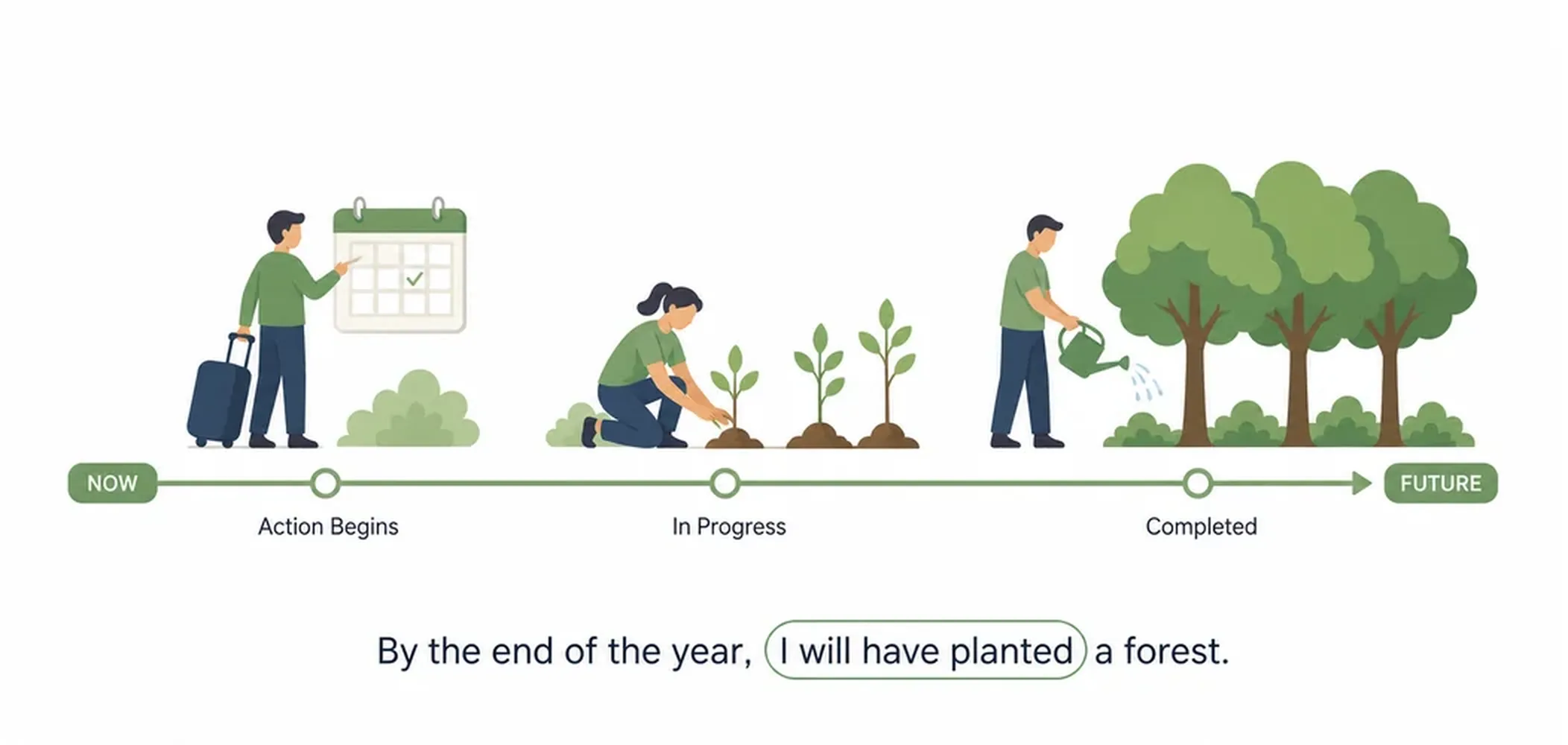
Where the Future Perfect sits on the English tense timeline

Where the Future Perfect sits on the English tense timeline

Key Characteristics and Usage

The future perfect tense requires a reference point—either explicitly stated or contextually implied—against which the completed action is measured. Without this temporal anchor, the sentence may sound awkward or unclear. For instance, 'I will have finished' is incomplete without context, whereas 'By next Friday, I will have finished the report' clearly establishes the deadline. The tense frequently appears in conditional sentences, time clauses, and complex narratives where temporal precision is essential. Advanced learners should recognize that the future perfect often coexists with time expressions such as 'by,' 'by the time,' 'before,' and 'in' to anchor the completion point in time.

Future Perfect Conjugation by Subject

Pronoun Positive Negative Question
I I will have finished I will not have finished
I won't have finished
Will I have finished?
you (singular) you will have finished you will not have finished
you won't have finished
Will you have finished?
he / she / it he will have finished
she will have finished
it will have finished
he will not have finished
she won't have finished
it won't have finished
Will he have finished?
Will she have finished?
Will it have finished?
we we will have finished we will not have finished
we won't have finished
Will we have finished?
you (plural) you will have finished you will not have finished
you won't have finished
Will you have finished?
they they will have finished they will not have finished
they won't have finished
Will they have finished?
Notes & Special Rules:
1. The future perfect is always formed with will have + past participle — the form of will never changes for any pronoun.
2. Irregular past participles must be memorised, e.g.: go → gone, write → written, eat → eaten, be → been, have → had, do → done, see → seen, take → taken, give → given, come → come.
3. The contraction won't = will not; the contraction 'll can replace will in positive statements (e.g. I'll have finished).
4. Common time expressions used with this tense: by tomorrow, by next year, by the time, before, already.
5. In questions, will is always placed before the subject, and have remains before the past participle.
Formula
✔ Positive
Subject + will have + past participle + (+ time reference)
By next week, we will have submitted the application.
✖ Negative
Subject + will not have + past participle + (+ time reference)
They will not have finished the construction by summer.
? Question
Will + subject + have + past participle + (+ time reference)?
Will you have reached your sales target by March?

Examples

By the time you arrive, I will have prepared dinner.
Completion before a future reference point · Common usage
I prepare dinner you arrive
She will have completed her thesis by December 2025.
Specific deadline · Professional context
she completes her thesis December 2025 arrives
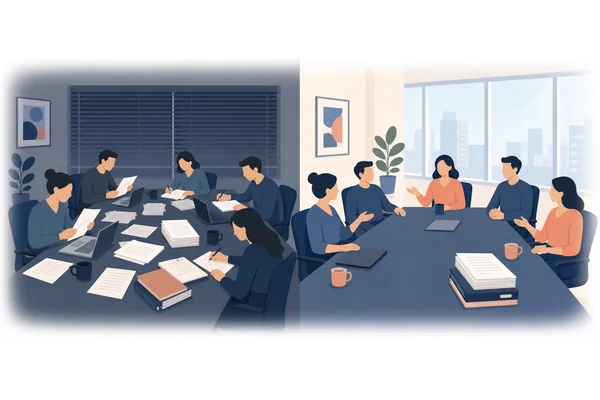
Before the meeting starts, they will have reviewed all the documentation.
Temporal clause · Formal register
they review all the documentation the meeting starts
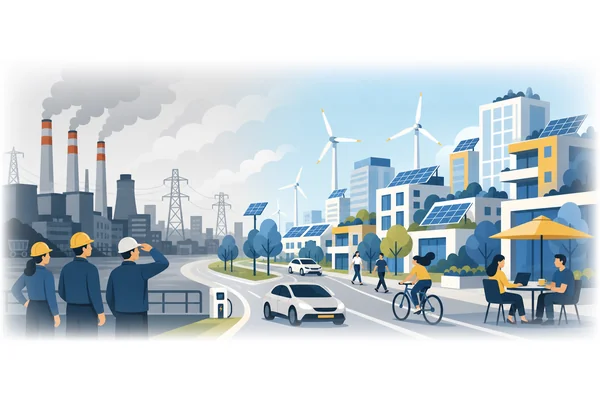
By the end of this decade, renewable energy will have transformed global infrastructure.
Long-term prediction · Abstract context
renewable energy transforms global infrastructure end of this decade
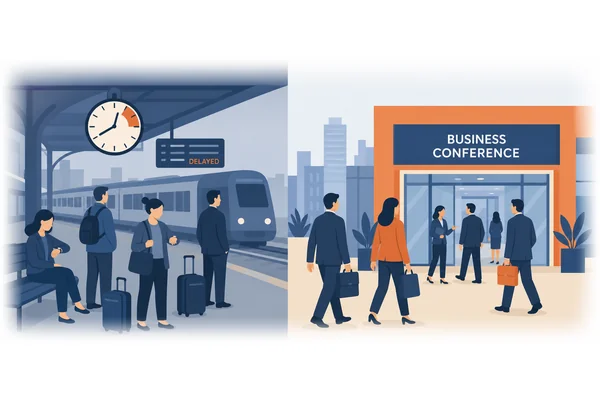
If the train is delayed, we will still have arrived before the conference begins.
Conditional reasoning · Reassurance
we arrive at the destination the conference begins
I will have lived in three countries by the age of thirty.
Life experience accumulation · Personal narrative
lived in three countries by the age of thirty
When to use it
Temporal Sequencing
Use the future perfect to establish the order of events and clarify which action will complete before another occurs. This is essential in narratives, planning, and complex explanations.
"By the time the board meeting convenes, I will have analyzed the quarterly reports."
Emphasis on Completion
When completion is critical rather than mere occurrence, the future perfect highlights the finished state of an action relative to a future point.
"She will have earned three degrees before her fortieth birthday."
Conditional and Hypothetical Reasoning
In conditional sentences and hypothetical scenarios, the future perfect expresses what will certainly be completed if certain conditions hold true.
"If all goes as planned, we will have doubled our productivity by Q4."
Professional and Formal Contexts
The future perfect is prevalent in business communications, academic writing, and technical documentation to denote scheduled completions and deadlines.
"Our engineers will have deployed the new system infrastructure before the fiscal year closes."
Signal words
by by the time before by then in within by the end of by next by the time that before long
Common Mistakes
Wrong
By next month, I will finish the project.
Correct
By next month, I will have finished the project.
Simple future (will finish) does not emphasize completion before the deadline; future perfect is required.
Wrong
She will have been completing her studies by 2026.
Correct
She will have completed her studies by 2026.
Future perfect continuous (will have been completing) suggests ongoing duration; simple future perfect indicates completion.
Wrong
By the time you arrive, I prepared the documents.
Correct
By the time you arrive, I will have prepared the documents.
Past tense is inappropriate; the action is future, so future perfect is necessary.
Wrong
Will you have finishing your degree next year?
Correct
Will you have finished your degree by next year?
The gerund 'finishing' is incorrect; past participle 'finished' must follow 'have.'
Wrong
They will have eaten dinner when we arrive.
Correct
They will have eaten dinner by the time we arrive.
The temporal relationship is clearer with 'by the time' to establish the reference point explicitly.
KEY TAKEAWAYS

What to Remember

  • The future perfect describes an action completed before a specific future moment.
  • Form the future perfect with 'will have' or 'shall have' plus past participle.
  • Use this tense to show one future action finishes before another future event.
  • The future perfect emphasizes completion and establishes clear chronological relationships between events.
  • Avoid using simple future 'will do' when you need to show prior completion.
← Previous
Future continuous — common mistakes
Next →
How to form the future perfect