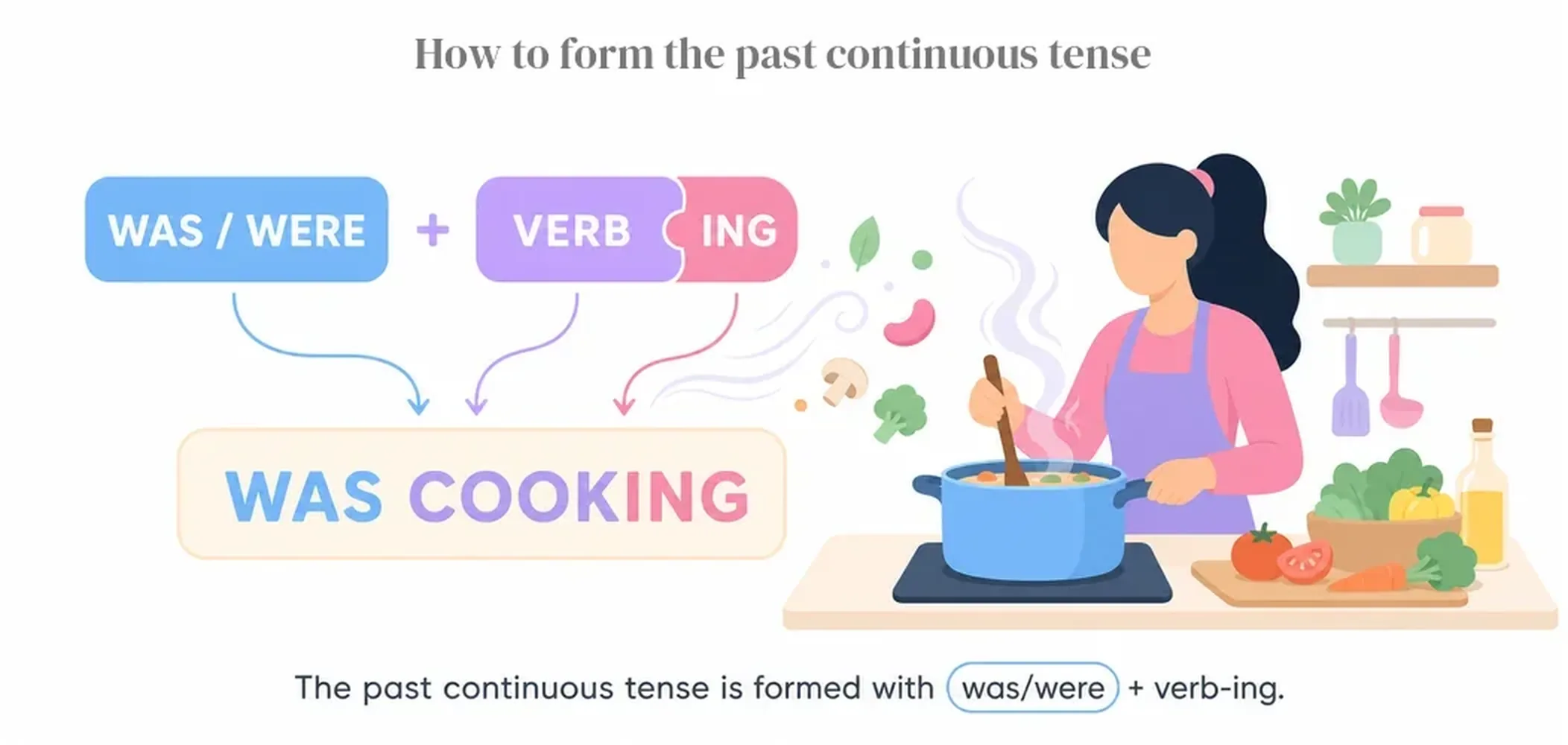
What is the Past Continuous?
The past continuous tense describes actions that were happening at a specific time in the past. We use it to talk about activities that were in progress before they finished. For example: 'I was studying when the phone rang.' The action of studying was happening, and then the phone interrupted it. To form the past continuous, we need two parts: the past tense of 'be' (was/were) and the -ing form of the main verb.

Past Continuous Conjugation Table
| Pronoun | Positive | Negative | Question |
|---|---|---|---|
| I | I was working | I was not (wasn't) working | Was I working? |
| you | you were working | you were not (weren't) working | Were you working? |
| he / she / it | he/she/it was working | he/she/it was not (wasn't) working | Was he/she/it working? |
| we | we were working | we were not (weren't) working | Were we working? |
| you (plural) | you were working | you were not (weren't) working | Were you working? |
| they | they were working | they were not (weren't) working | Were they working? |
| Notes: Use was with I, he, she, it (singular); use were with you, we, they (plural). The auxiliary verb be is irregular — its past forms was and were must be memorised. The main verb always takes the -ing form (present participle). In questions, invert the auxiliary and subject: Was/Were + subject + verb‑ing?. Verbs ending in a silent ‑e drop it before adding ‑ing (e.g. make → making); short vowel + consonant verbs double the final consonant (e.g. run → running). | |||
Formula
✔ Positive
Subject
+
was/were
+
verb + -ing
She was reading a book when I arrived.
✖ Negative
Subject
+
was/were not
+
verb + -ing
They were not playing football yesterday afternoon.
? Question
Was/Were
+
subject
+
verb + -ing
Were you watching the match last night?
Examples
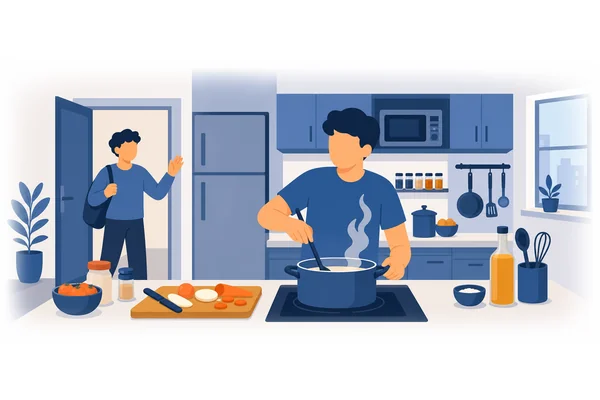
I was cooking dinner when my friend arrived.
Past continuous · Interrupted action
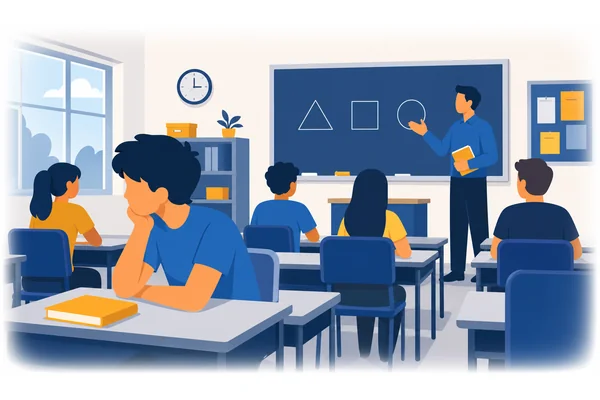
He was not listening to the teacher during the lesson.
Negative form · Past activity

Were they dancing at the party last weekend?
Question form · Past event
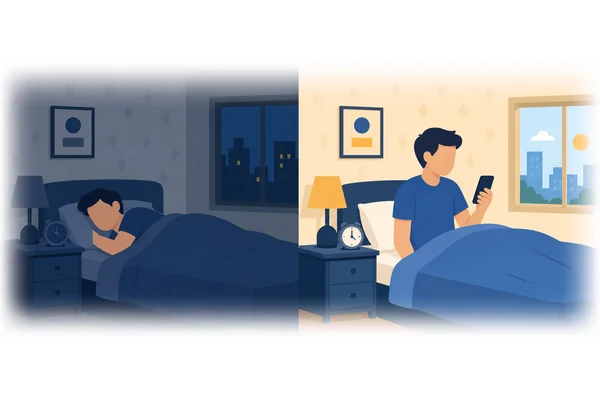
You were sleeping when I called you yesterday.
Past continuous · Ongoing action

Was she working on the project all day?
Question · Duration in past
When to use it
Interrupted actions
Use the past continuous to show an action that was happening when something else interrupted it.
"I was reading when the power went out."
Actions at a specific time
Describe what someone was doing at an exact moment in the past.
"At 3 o'clock yesterday, I was having lunch."
Setting the scene
Use it to describe the background situation in a story or narrative.
"The sun was shining and the birds were singing."
Signal words
while
when
all day
all morning
yesterday at...
last night
as
Common Mistakes
✕
Wrong
I was study when you called.
✓
Correct
I was studying when you called.
Always use the -ing form (studying) with was/were, not the base verb (study).
✕
Wrong
They was playing football yesterday.
✓
Correct
They were playing football yesterday.
Use 'were' with plural subjects (they, you, we), not 'was'. Only 'I' and 'he/she/it' use 'was'.
✕
Wrong
Was you sleeping when I called?
✓
Correct
Were you sleeping when I called?
Use 'were' with 'you' in questions, even when asking one person. 'Was' is only for I, he, she, it.
KEY TAKEAWAYS
What to Remember
- Use the past continuous to describe actions in progress at a specific time in the past.
- Form the past continuous with was/were + the -ing form of the main verb.
- Use was with I, he, she, it and were with you, we, they.
- The past continuous often appears with the past simple to show an interruption.
- Remember: use was/were + verb-ing, not was/were + past tense form of the verb.