Grammar C1 Past Perfect Continuous

What is the past perfect continuous?

What is the past perfect continuous?

What is the Past Perfect Continuous?

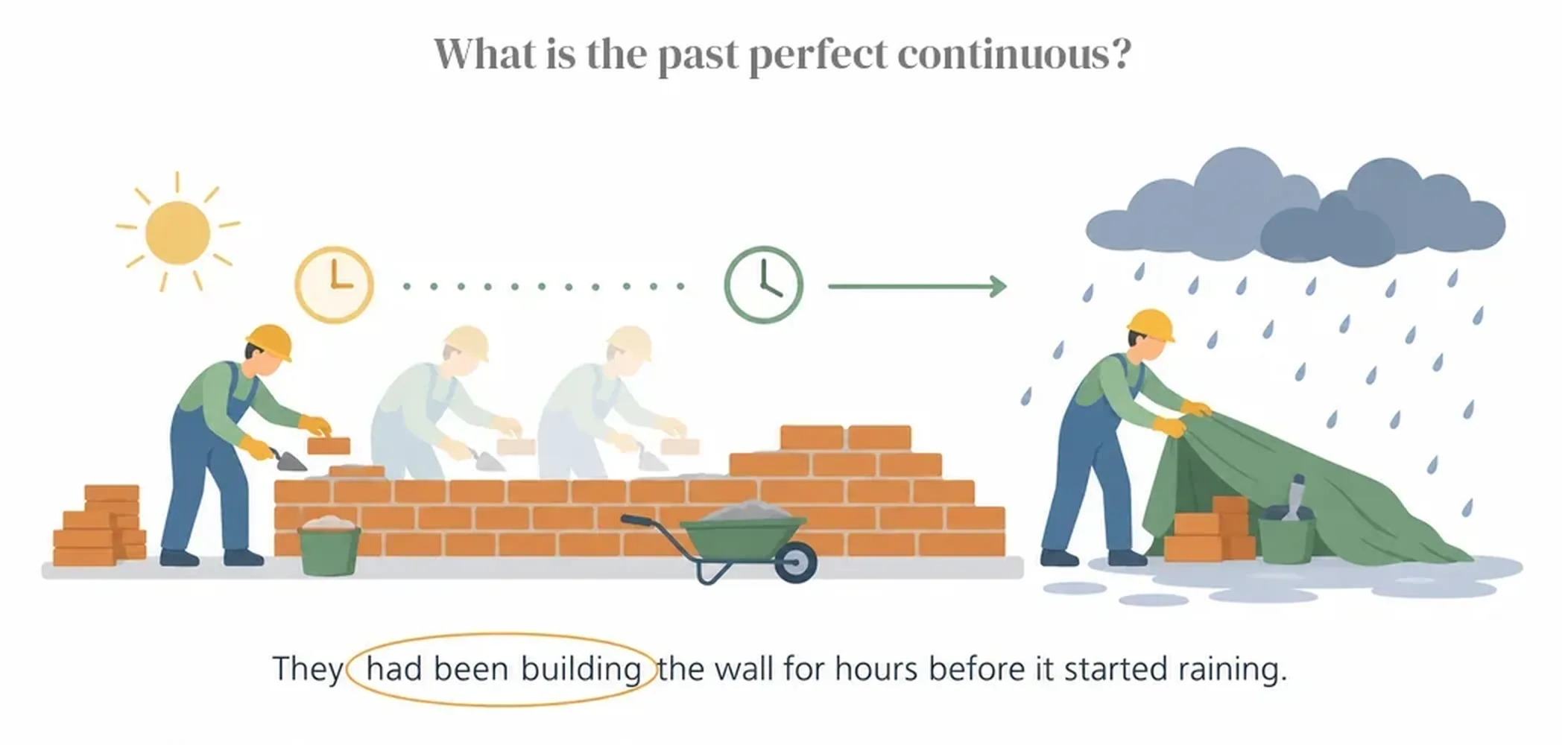
The past perfect continuous (also called the past perfect progressive) is used to describe an action that started in the past, continued for a period of time, and was still in progress when another past event occurred. This tense emphasizes the duration and continuity of an action rather than its completion. It bridges two points in the past, with the action having relevance to the second past moment. For C1 learners, mastering this tense allows for more sophisticated temporal nuance and precise expression of how events relate to one another across different time periods.

Where the Past Perfect Continuous sits on the English tense timeline

Where the Past Perfect Continuous sits on the English tense timeline

Key Characteristics and Structure

The past perfect continuous is formed with had + been + the present participle (verb + -ing). The auxiliary "had" establishes the perfect aspect (prior to another past action), "been" indicates the continuous element (ongoing duration), and the -ing form shows the action's progressive nature. Unlike the simple past perfect, which focuses on completion or achievement by a certain past point, the past perfect continuous prioritizes the duration leading up to that point. This tense requires careful attention to context—it only makes sense when another past event or time reference provides the "stopping point" for the duration.

Past Perfect Continuous vs. Past Perfect Simple

Dimension Past Perfect Continuous Past Perfect Simple
Form had + been + verb + -ing
e.g. had been working
had + past participle (3rd form)
e.g. had worked
Focus Emphasises the duration or ongoing nature of an action that was in progress before another past event. Emphasises the completion or result of an action that was finished before another past event.
When to Use • To show how long an action had been happening up to a point in the past.
• To explain a visible result or situation in the past.
• To emphasise continuous effort or activity over a period of time.
• To show that one action was completed before another past action.
• To report past experiences or accomplishments up to a moment in the past.
• With stative verbs (know, want, be) which do not take continuous forms.
Positive Example She had been studying for three hours when her phone rang. She had studied all the chapters before the exam started.
Negative Example They had not been sleeping well for weeks before they saw the doctor. They had not finished the report before the meeting began.
Question Example Had he been waiting long before the bus arrived? Had she visited Paris before she moved there?
Key Signal Words for, since, all day, all morning, how long, the whole time, lately, recently already, just, never, once, twice, by the time, before, after, when, as soon as
Key Difference: Use the past perfect continuous when you want to stress how long an activity had been in progress before a past moment or to highlight its ongoing nature and visible effect. Use the past perfect simple when you want to stress that an action was fully completed before another past event, or when using stative verbs that cannot appear in continuous forms.
Formula
✔ Positive
Subject + had + been + verb + -ing + for/since + time expression
She had been working on the project for three hours when her manager arrived.
✖ Negative
Subject + had not + been + verb + -ing
They had not been living in London long before they decided to move back.
? Question
Had + Subject + been + verb + -ing
Had you been studying English for years before you moved to England?

Examples

By the time the police arrived, the burglar had been ransacking the house for over an hour.
Emphasizes duration before a past event · Literary/Formal
burglar started ransacking the house police arrived
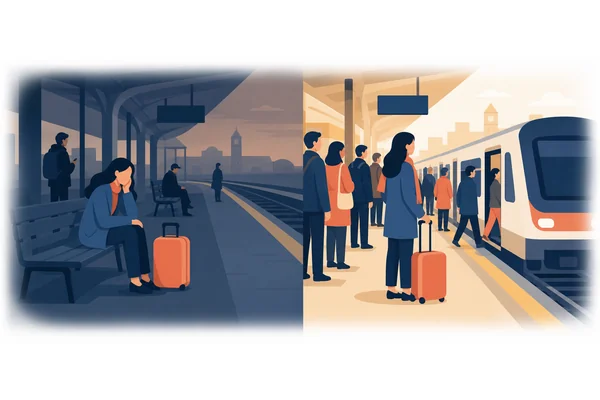
She had been waiting at the station since dawn, so she was exhausted when the train finally pulled in.
Shows continuous duration up to a specific past moment · Narrative
she started waiting at the station at dawn the train pulled in and she was exhausted
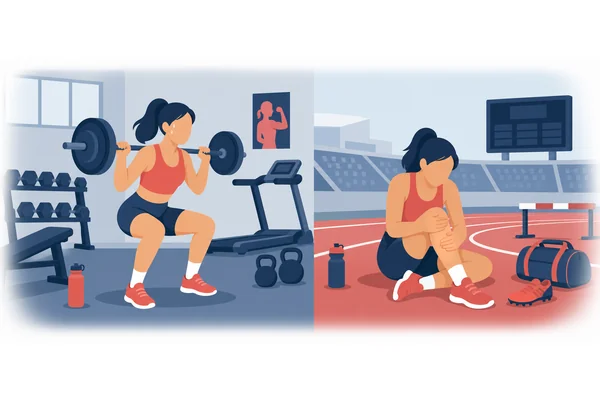
The athlete had been training intensively for months before she injured herself during the competition.
Explains preparation preceding a past event · Descriptive
athlete training intensively for months she injured herself during competition
We had been arguing about the same issue for weeks when he suddenly agreed with me.
Indicates ongoing conflict with a turning point · Conversational
arguing about the same issue for weeks he suddenly agreed with me
How long had they been driving when they realized they'd taken the wrong route?
Questions about duration in past contexts · Interrogative
they started driving they realized they took wrong route
When to use it
Emphasizing Duration in Past
Use this tense when you want to highlight how long an action was ongoing before it was interrupted or before another past event occurred.
"I had been studying for the exam for six weeks when I discovered the test had been postponed."
Showing Cause and Effect
Express why something happened in the past by showing what had been occurring continuously before the event took place.
"She was exhausted because she had been working double shifts for a month."
Narrative and Storytelling
Create temporal depth in narratives by establishing what characters had been doing in the background before a key event occurred.
"He had been searching for his keys for ten minutes before he found them in his pocket."
Explaining Context and Background
Provide essential background information about ongoing situations or conditions that set the stage for a past event or moment.
"They had been living together for three years before they decided to get married."
Signal words
for since by the time when while before until all day/week/month for hours/days/weeks throughout
Common Mistakes
Wrong
She has been working there for five years when she got promoted.
Correct
She had been working there for five years when she got promoted.
Use past perfect continuous with past events, not present perfect, when another past action follows.
Wrong
He had been worked on the report for hours before submitting it.
Correct
He had been working on the report for hours before submitting it.
Past perfect continuous requires been + present participle (-ing form), not past participle.
Wrong
I had been living in Paris since 2015 and I still live there now.
Correct
I have been living in Paris since 2015.
Use past perfect continuous only for actions completed before another past event; use present perfect for ongoing present situations.
Wrong
They had been visited the museum when the fire alarm went off.
Correct
They had been visiting the museum when the fire alarm went off.
Use -ing form after been, not the base infinitive or past participle.
KEY TAKEAWAYS

What to Remember

  • The past perfect continuous describes an action that started and continued in the past before another past event interrupted it.
  • Form it with had + been + verb-ing to show duration and ongoing nature at a specific past moment.
  • Use it to emphasize how long an action lasted, not whether it finished, distinguishing it from simple past perfect.
  • Connect it to another past action to establish clear temporal relationships between two events in the past narrative.
  • Avoid confusing it with past perfect simple, which focuses on completion; use continuous only when duration matters to your meaning.
← Previous
Past perfect — common mistakes
Next →
How to form the past perfect continuous