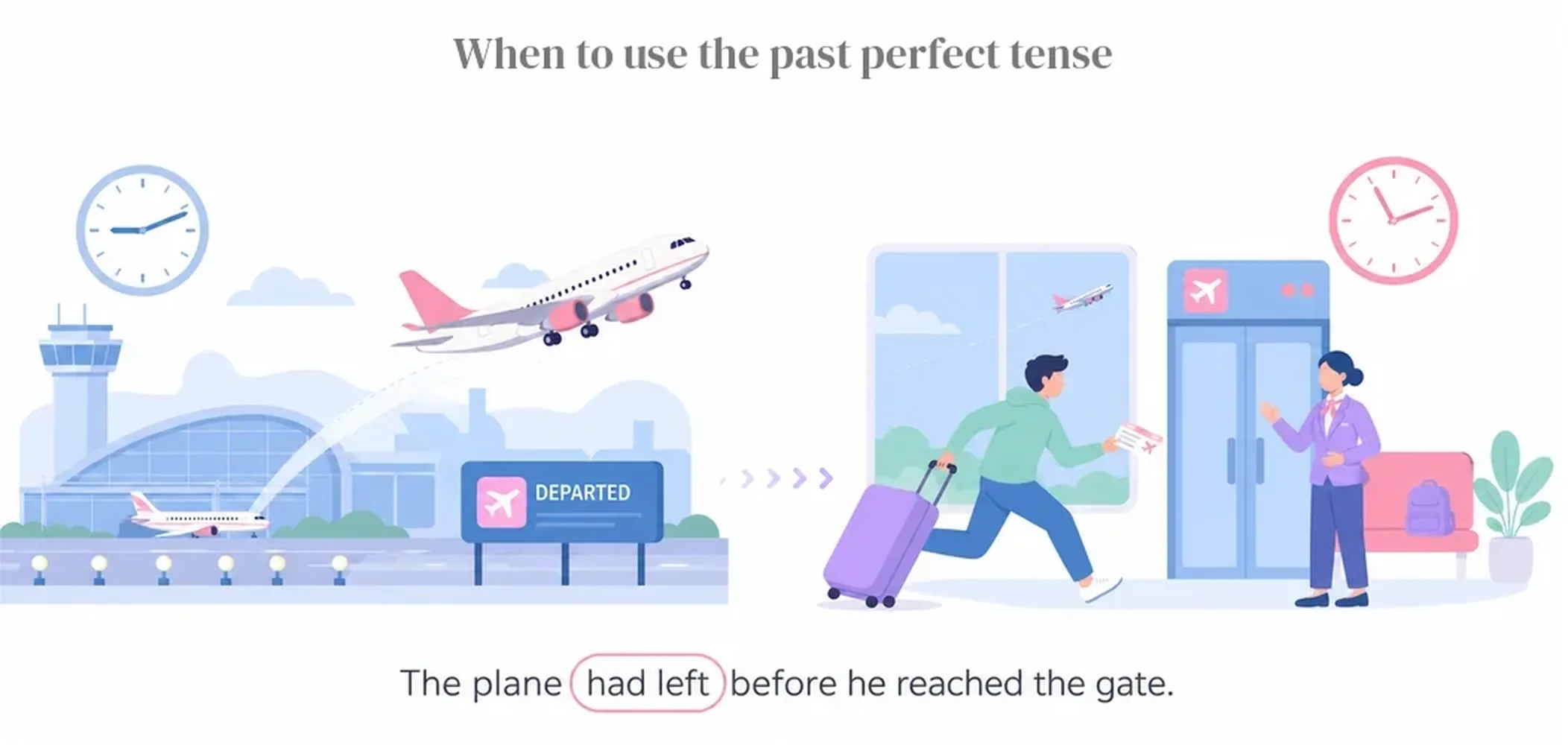
When to Use the Past Perfect Tense
The past perfect tense describes an action that happened before another action in the past. It shows the sequence of two or more past events and clarifies which event occurred first. Understanding when to use it helps you tell clear, detailed stories and explain cause-and-effect relationships in past situations.

How to Form the Past Perfect Tense
Past Perfect Tense
Structure & Formula
Formed with had + past participle
Affirmative
| Subject | Auxiliary | Past Participle | Object / Complement |
|---|---|---|---|
| She | had | finished | her homework |
| She had finished her homework before dinner. | |||
Negative
| Subject | Auxiliary | Negation | Past Participle | Object / Complement |
|---|---|---|---|---|
| They | had | not | eaten | anything |
| They had not eaten anything all day. | ||||
💡 Contraction: had not → hadn't
Question
| Auxiliary | Subject | Past Participle | Object / Complement |
|---|---|---|---|
| Had | he | left | the office |
| Had he left the office before the meeting started? | |||
Colour Key
Subject
Verb / Auxiliary
Object / Complement
Negative
Examples
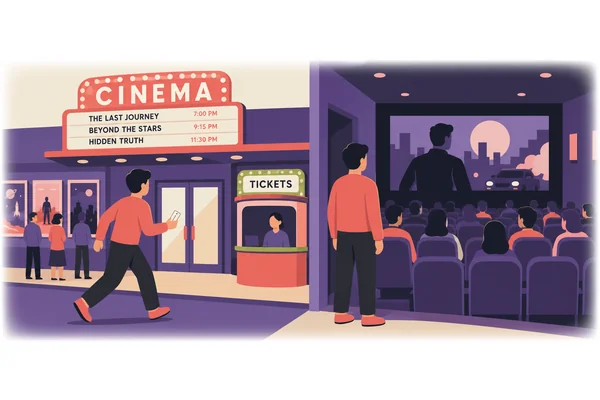
When I arrived at the cinema, the film had already started, so I missed the opening scene.
Storytelling · Shows earlier action
①film started
→
②I arrived at the cinema
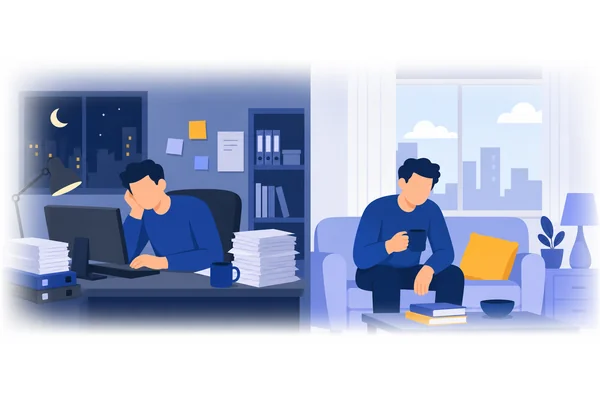
He was tired because he had worked late the night before.
Cause and effect · Explains reason
①he worked late the night before
→
②he was tired

She told me she had never visited Portugal before that trip.
Reported speech · Tense shift backward
①she had never visited Portugal
→
②before that trip, she told me
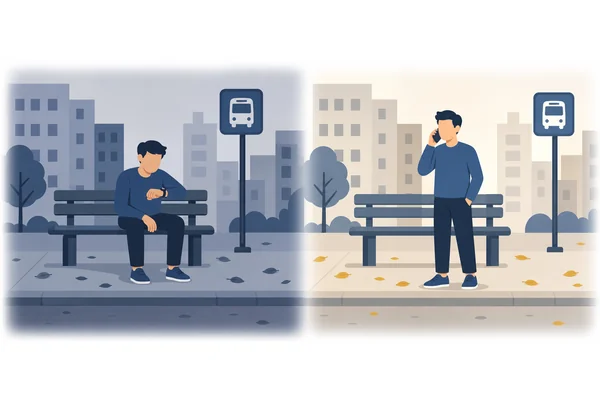
By the time they called, I had waited for three hours.
Unfulfilled expectations · Duration in past
①I waited for three hours
→
②they called
When to use it
Storytelling & Sequence
Use the past perfect when telling a story to show what happened before the main past event. This helps readers understand the order of events clearly.
When I arrived at the cinema, the film had already started, so I missed the opening scene.
Cause and Effect
Use the past perfect to explain why something happened in the past. The earlier action (past perfect) caused the later action (simple past).
He was tired because he had worked late the night before.
Reported Speech
Use the past perfect in reported speech when the original speaker described a past action. The tense shifts back one level from simple past.
She told me she had never visited Portugal before that trip.
Unfulfilled Expectations
Use the past perfect to show that something you expected to happen had not happened by a specific moment in the past.
By the time they called, I had waited for three hours.
Signal words
before
after
by the time
by then
once
when
because
since
previously
earlier
never
already
Common Mistakes
✕
Wrong
When I arrived, the film started already.
✓
Correct
When I arrived, the film had already started.
Use past perfect for the earlier action; simple past shows the later action.
✕
Wrong
She said she never visited Paris before.
✓
Correct
She said she had never visited Paris before.
In reported speech, shift the tense back one level to past perfect.
✕
Wrong
Because he worked late, he was tired.
✓
Correct
Because he had worked late, he was tired.
Use past perfect to show the earlier cause clearly; simple past is ambiguous.
✕
Wrong
By the time he arrived, I waited for an hour.
✓
Correct
By the time he arrived, I had waited for an hour.
Use past perfect to show an action completed before a specific moment in the past.
KEY TAKEAWAYS
What to Remember
- Use past perfect for an action that happened before another past action.
- Form it with had + past participle (e.g., "had eaten," "had written").
- It clarifies sequence: show which event occurred first in your narrative.
- Don't use past perfect for the more recent of two past events.
- Common mistake: avoid overusing it; use simple past for the main story.