Grammar B2 Tense Comparison Articles

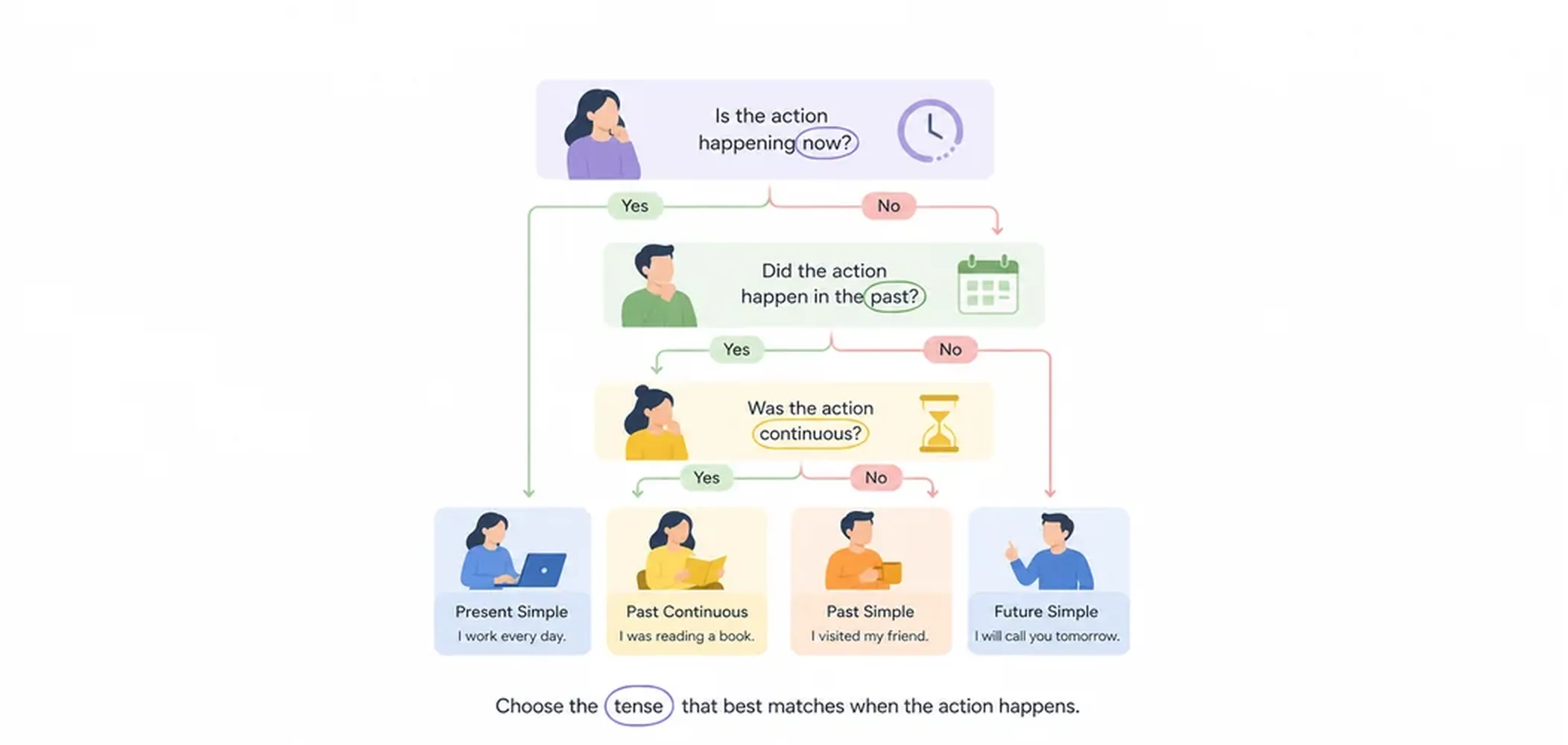
Which tense to use? — decision flowchart

Which tense to use? — decision flowchart

How to Use This Decision Flowchart

Choosing the right tense in English depends on when an action happens and how it relates to the present moment. This flowchart guides you through the decision-making process by asking simple questions about your sentence. Start at the top and follow the arrows to find the correct tense. The key is to identify whether you're talking about the past, present, or future, and whether the action is complete, ongoing, or habitual.

Where the Tense Comparison Articles sits on the English tense timeline

Where the Tense Comparison Articles sits on the English tense timeline

Understanding the Three Main Time Zones

English tenses fall into three broad categories based on time. The PAST includes Simple Past, Past Continuous, Present Perfect, and Past Perfect—all used for events that have already occurred. The PRESENT covers Simple Present, Present Continuous, and Present Perfect Continuous—for current situations, habits, and actions happening now. The FUTURE encompasses will-future, going to-future, Present Continuous (future plans), and Present Simple (scheduled events)—for events that haven't happened yet.

Secondary Questions to Ask

After identifying your time zone, ask yourself: Is the action complete or still ongoing? Is it a single event or a repeated habit? Does it have a connection to the present moment? These secondary questions help distinguish between similar tenses. For example, both Simple Past and Present Perfect refer to completed actions, but Present Perfect implies relevance to now, while Simple Past emphasizes when it happened. The flowchart incorporates these distinctions to lead you to the most accurate choice.

Decision Flowchart: Which Tense Should I Use?

Was the action in progress at a specific past moment?
Yes
Did another action interrupt it?
Yes
Past Continuous
Example

I was reading when the phone rang.

No
Past Continuous
Example

At 8 pm last night, she was cooking dinner.

No
Did it happen before another past event?
Yes
Was it ongoing up to that earlier event?
Yes
Past Perfect Continuous
Example

She had been waiting for an hour before he arrived.

No
Past Perfect
Example

He had left before I arrived.

No
Past Simple
Example

She visited Paris last summer.

Is the action happening right now or temporarily?
Yes
Present Continuous
Example

I am studying for my exam right now.

No
Does it connect past experience or result to now?
Yes
Has it been ongoing until now?
Yes
Present Perfect Continuous
Example

She has been working here for five years.

No
Present Perfect
Example

I have visited Japan twice.

No
Present Simple
Example

Water boils at 100 degrees Celsius.

Is it a pre-arranged plan or fixed appointment?
Yes
going to (or Present Continuous for schedules)
Example

We are going to visit my parents this weekend. / The train leaves at 9 am.

No
Is it a spontaneous decision or prediction?
Yes
Will it be in progress at a future moment?
Yes
Future Continuous
Example

This time tomorrow, I will be flying to New York.

No
Future Simple (will)
Example

I'll have a coffee, please.

No
Will it be completed before a specific future point?
Yes
Future Perfect
Example

By Friday, she will have finished the report.

No
Future Simple (will)
Example

It will probably rain tomorrow.

Formula
Formula
START: When does the action happen?
Ask yourself: past, present, or future?

Examples

I have lived in Berlin for three years.
Present Perfect · Still relevant to now; the action started in the past but connects to the present
She was working when you called yesterday.
Past Continuous · An ongoing action interrupted by another past event
By next month, I will have finished my degree.
Future Perfect · A future action that will be complete by a specific future time
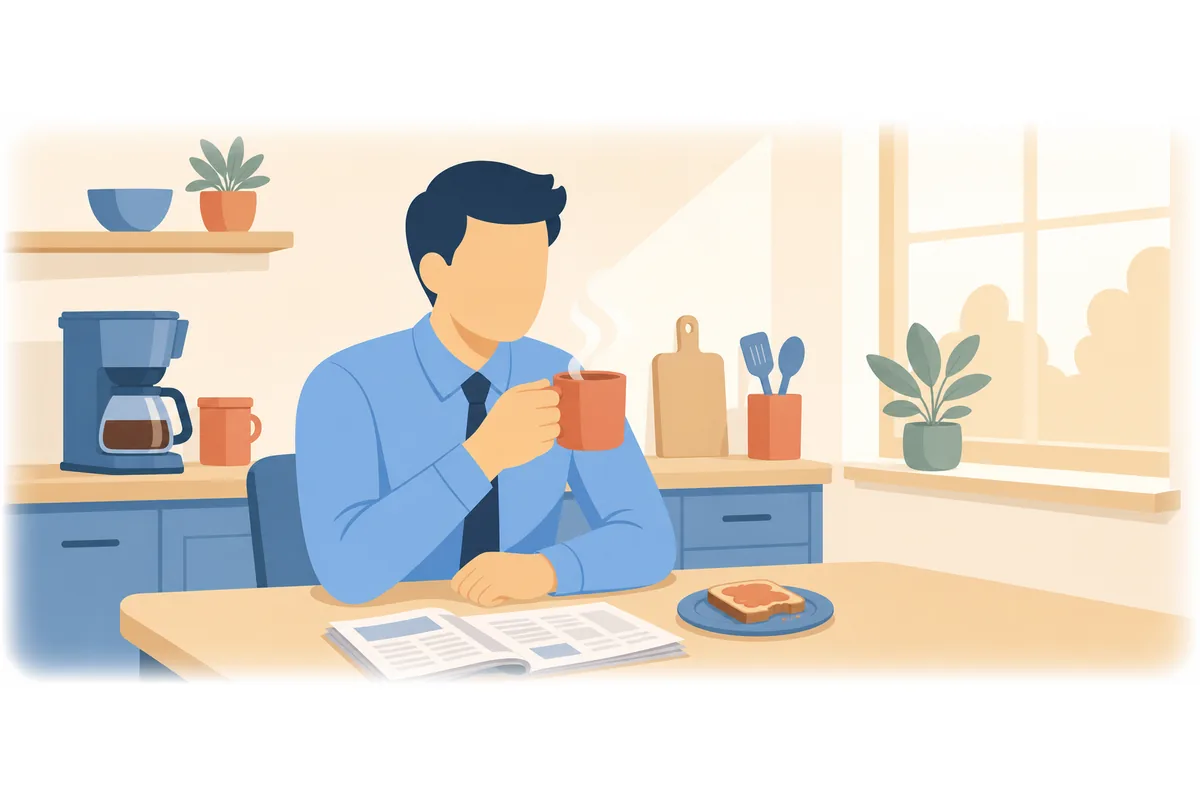
He drinks coffee every morning before work.
Simple Present · A habitual, repeated action in the present
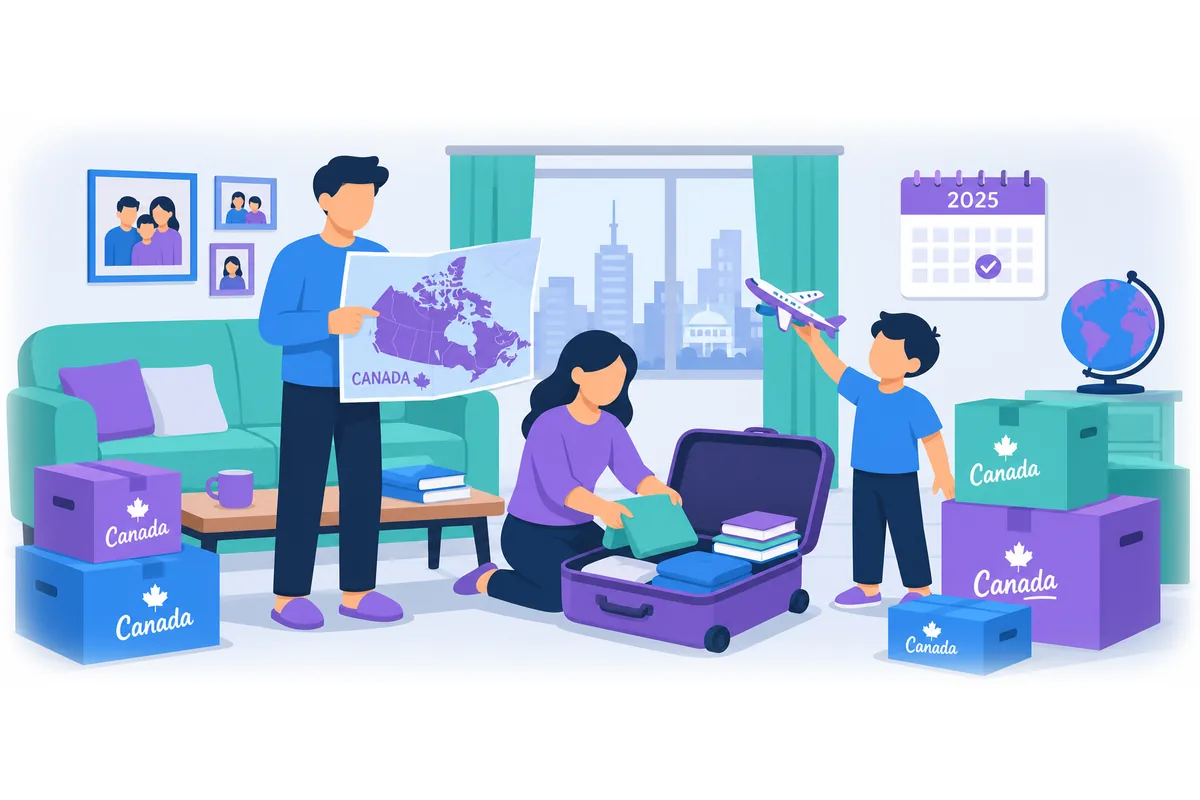
They are going to move to Canada next year.
Going to-future · A future plan or intention with visible preparation
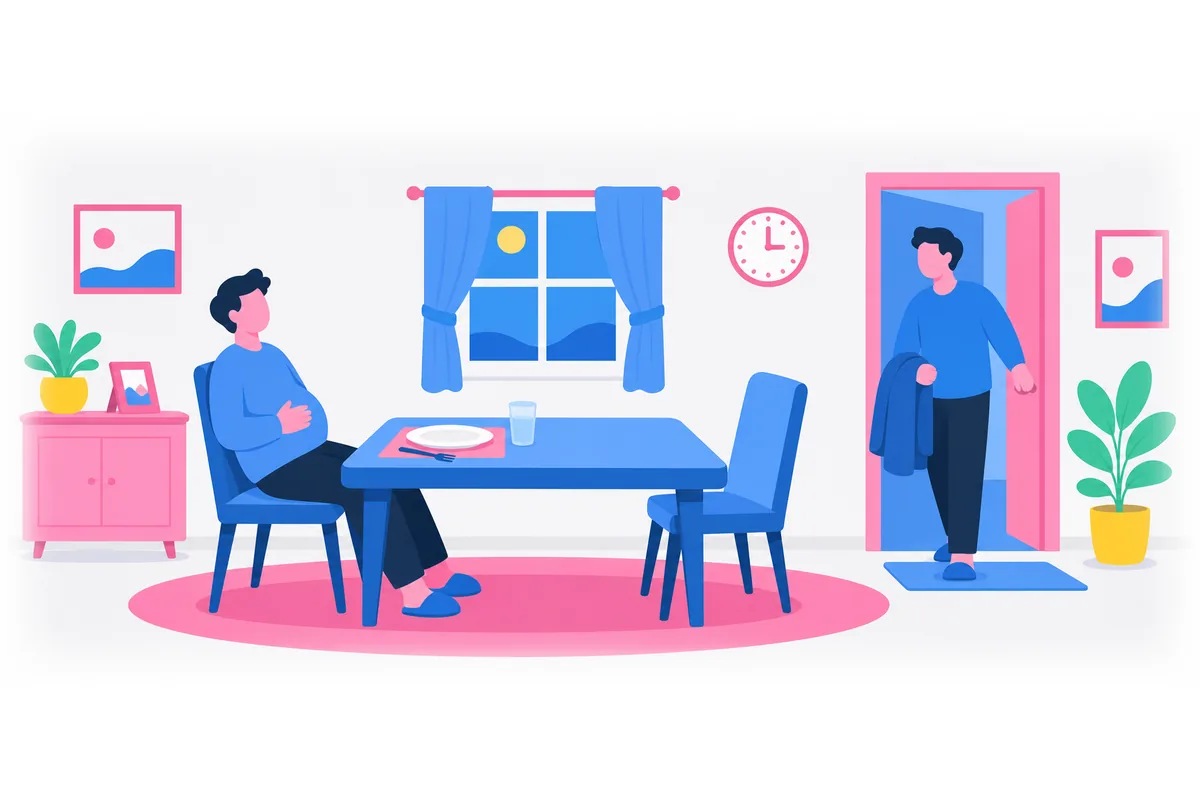
I had already eaten dinner when she arrived.
Past Perfect · An action completed before another past event
When to use it
Academic Writing
In essays and reports, you frequently switch between tenses. Use this flowchart to ensure your past research, present analysis, and future implications are expressed clearly.
"Researchers have discovered that productivity decreases when workers are tired. This suggests that companies should implement rest periods."
Storytelling & Narration
When telling a story, you need past tenses for the main events and additional tenses for background information and reflections.
"She had been waiting for two hours before the bus finally arrived. It was the worst day of her life."
Planning & Discussions
Conversations about schedules, intentions, and predictions require future tenses. Use the flowchart to match your certainty level with the appropriate tense.
"Are you going to attend the meeting tomorrow? I think it will be important for the project."
Expressing Habits & Routines
Describe what you do regularly or how things work in general using Simple Present tense for clear, straightforward statements.
"I usually wake up at 7 a.m. and exercise before breakfast."
Signal words
yesterday last week already just yet for since now at the moment usually often tomorrow next month in two hours as soon as while when
Common Mistakes
Wrong
I have forgotten my keys yesterday.
Correct
I forgot my keys yesterday.
Yesterday marks a specific past time, so use Simple Past, not Present Perfect.
Wrong
She is living in Paris for five years.
Correct
She has been living in Paris for five years.
A duration with present relevance requires Present Perfect Continuous, not Present Continuous.
Wrong
I will see you after I will finish my work.
Correct
I will see you after I finish my work.
In time clauses after 'after,' use Simple Present, not will-future.
Wrong
When he arrived, I was cooking dinner since one hour.
Correct
When he arrived, I had been cooking dinner for one hour.
For completed duration before another past event, use Past Perfect Continuous.
Wrong
She drinks coffee every morning. She is also drinking tea sometimes.
Correct
She drinks coffee every morning. She also drinks tea sometimes.
Habitual actions use Simple Present consistently, not Present Continuous.
KEY TAKEAWAYS

What to Remember

  • Identify the timeframe first: past, present, or future to narrow down your tense options.
  • Determine if the action is complete, ongoing, or habitual, as this affects which specific tense you need.
  • Use past tenses for completed actions; present tenses describe current situations or habitual actions.
  • Choose between simple, continuous, and perfect forms based on whether you emphasize completion or duration.
  • Remember that context and time expressions (yesterday, now, tomorrow) are crucial clues for selecting the correct tense.
← Previous
English tenses timeline — reference chart