Passive Voice in Real Contexts
The passive voice shifts focus from who does the action to what happens or what is affected by the action. It's essential in news, scientific writing, instructions, and professional communication. These 50 examples show how passive voice works across different tenses, situations, and registers—from everyday conversation to formal writing.
Examples — page 1 of 5

Coffee is served every morning at 8 a.m.
Present simple passive · Daily routine

The letter was delivered yesterday.
Past simple passive · Everyday event

Three books have been published this year.
Present perfect passive · Achievement
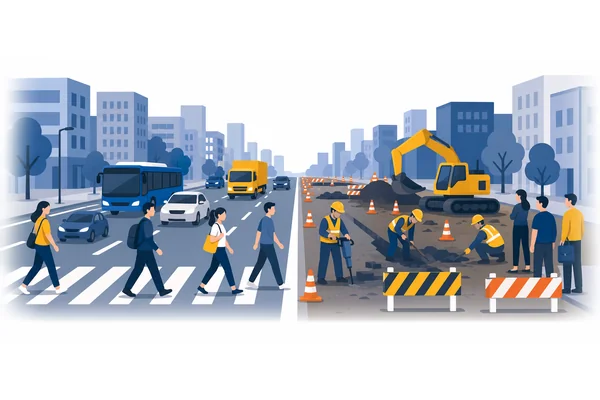
The road will be closed for repairs next month.
Future simple passive · Announcement

This document must be signed before Friday.
Modal passive · Obligation
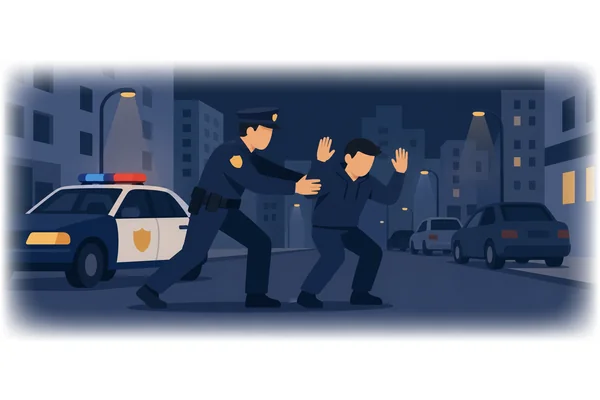
The suspect was arrested by police at midnight.
Past simple passive · News report

The conference was attended by over 500 people.
Past simple passive with agent · Formal context

All applications should be submitted online.
Modal passive · Instructions

The website is currently being updated.
Present continuous passive · Ongoing action

New employees are given a training handbook.
Present simple passive · Company procedure
Signal words
is
are
was
were
been
being
will be
is being
has been
have been
had been
should be
must be
can be
could be
may be
might be
by
KEY TAKEAWAYS
What to Remember
- Passive voice uses the auxiliary verb "be" + past participle to shift focus from the doer to the action or affected object.
- The agent (doer) can be omitted entirely or introduced with "by" when it's unknown, obvious, or unimportant.
- Passive voice works across all tenses by changing the auxiliary verb: "is done," "was done," "will be done," "has been done."
- Not all sentences need passive voice; use it only when the action or receiver is more important than the doer.
- Avoid awkward passive constructions by keeping sentences clear and natural—don't use passive voice just to sound formal or objective.