Adjective vs Adverb: Key Difference
Adjectives describe nouns or pronouns (what something is like). Adverbs describe verbs, adjectives, or other adverbs (how, when, or where something happens). The key difference: adjectives answer 'what kind?' while adverbs often answer 'how?' or 'in what way?' Understanding this distinction helps you use modifiers correctly in sentences.
Examples — page 1 of 4
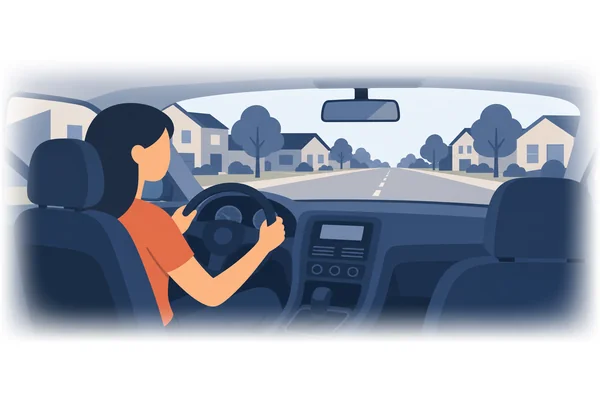
She is a careful driver.
Adjective · Describes the noun 'driver'
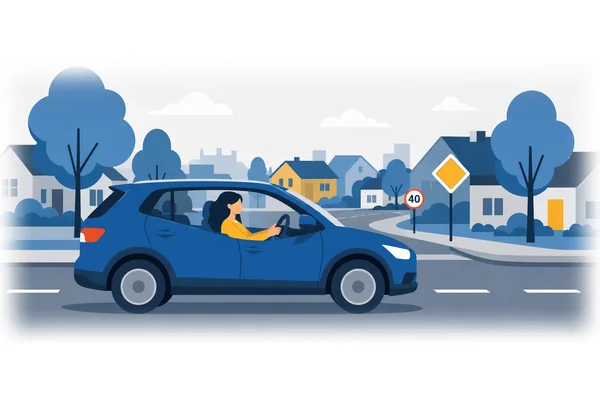
She drives carefully.
Adverb · Describes the verb 'drives'

The weather is beautiful today.
Adjective · Describes the noun 'weather'

The sun shines beautifully in spring.
Adverb · Describes the verb 'shines'

He gave a quick answer.
Adjective · Describes the noun 'answer'

He answered quickly.
Adverb · Describes the verb 'answered'

The test was incredibly difficult.
Adverb · Modifies the adjective 'difficult'

The difficult test required concentration.
Adjective · Describes the noun 'test'

They spoke in hushed voices.
Adjective · Describes the noun 'voices'

They spoke rather quietly.
Adverb · Describes the verb 'spoke'
Signal words
careful
carefully
beautiful
beautifully
quick
quickly
incredibly
difficult
hushed
quietly
excellent
excellently
KEY TAKEAWAYS
What to Remember
- Adjectives describe nouns and pronouns; adverbs describe verbs, adjectives, or other adverbs.
- Ask "what kind?" for adjectives and "how?" or "in what way?" for adverbs.
- Many adverbs are formed by adding -ly to adjectives, but not all adverbs end in -ly.
- Place adjectives before nouns or after linking verbs like "is," "seems," or "feels."
- Use adjectives after linking verbs, not adverbs, even though it may sound unusual.