Fronting: Moving Elements for Emphasis and Focus
Fronting is an advanced syntactic device where constituents are moved from their canonical position to the beginning of a clause for emphasis, contrast, or narrative effect. This technique is particularly prevalent in formal writing, literature, and persuasive speech. Understanding fronting allows C1 learners to recognize subtle shifts in meaning and produce more sophisticated, nuanced English. The examples below illustrate various fronting strategies across different registers and pragmatic contexts.
Examples — page 1 of 3

Difficult though it may seem, this problem has a straightforward solution.
Adjective fronting with concessive inversion · Formal written English

Never before have I witnessed such incompetence.
Adverbial fronting with subject-auxiliary inversion · Formal speech

That manuscript, she refused to publish.
Object fronting with topicalization · Literary narrative

Only by accepting responsibility can we move forward.
Prepositional phrase fronting with inversion · Persuasive writing

What he said next shocked everyone in the room.
Cleft-like fronting of complement clause · Everyday narrative

Remarkable as her achievements are, she remains humble.
Predicate fronting with concessive structure · Formal discourse

This policy, the government will implement immediately.
Object fronting emphasizing topic shift · News reporting

Under no circumstances should you disclose this information.
Negative adverbial fronting with inversion · Formal instruction
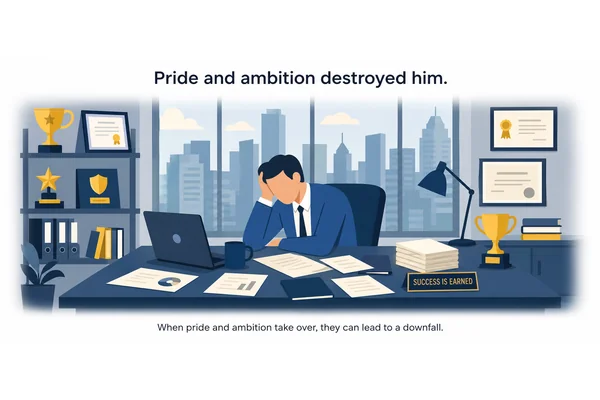
Pride and ambition, these are what destroyed him.
Noun phrase fronting with resumptive pronoun · Literary analysis

Seldom does one encounter such dedication in modern academia.
Adverbial fronting with subject-auxiliary inversion · Formal writing
When to use it
Literary Narrative
Fronting creates dramatic emphasis and control narrative pacing in fiction and creative writing, allowing authors to manipulate reader attention and create suspense.
"That evening, she would never forget."
Formal Oratory
Fronting with inversion amplifies rhetorical force in speeches, debates, and formal presentations, making arguments more memorable and emphatic.
"Never in our history have we faced such a critical juncture."
News & Journalism
Fronting emphasizes newsworthy elements and creates coherence through topicalization of key information, guiding reader comprehension.
"This decision, the court announced at noon."
Academic & Professional
Fronting in formal writing establishes logical progression and highlights argumentative structure, signalling sophisticated analytical thinking.
"Only through rigorous methodology can we validate these claims."
Signal words
Never
Only
Under no circumstances
Seldom
Rarely
Hardly
Scarcely
No sooner
Not until
Little did
Difficult though
Remarkable as
What
More pressing than
KEY TAKEAWAYS
What to Remember
- Fronting moves constituents to clause-beginning for emphasis, contrast, or narrative effect rather than canonical position.
- Fronted elements are typically followed by inverted or marked word order to signal the fronting device.
- Common fronted constituents include objects, complements, adverbials, and predicates—rarely the subject, which already occupies initial position.
- Fronting is more effective in formal writing and literature; overuse in casual speech risks sounding awkward or artificial.
- Distinguish fronting from topicalization: fronting emphasizes through movement while topicalization establishes discourse topics without necessarily requiring inversion.