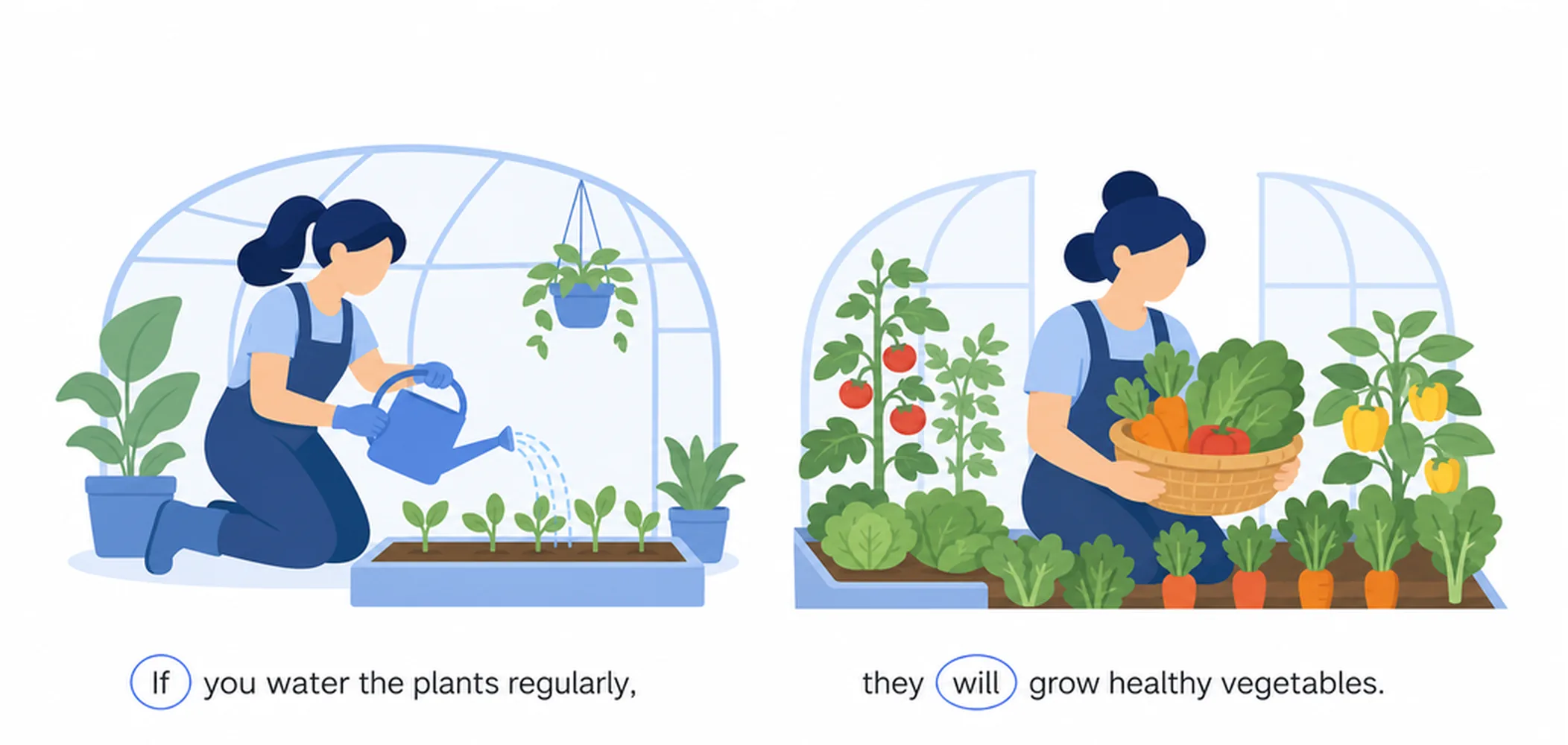
Understanding the First Conditional
The first conditional expresses a real or probable situation in the future. It describes what will happen if a specific condition is met. You use it for situations that are possible and likely to occur. The structure is straightforward: If + present simple in the condition clause, and will + base verb in the result clause. This is one of the most useful structures for talking about future plans, promises, and predictions.
How to Form the First Conditional: Clause-by-Clause Breakdown
| First Conditional — Condition Clause (if + present simple) → Result Clause (will + base verb) | |||
|---|---|---|---|
| Pronoun | Positive | Negative | Question |
| I | If I study, I will pass. | If I don't study, I won't pass. | If I study, will I pass? |
| you | If you leave, you will miss the bus. | If you don't leave, you won't miss the bus. | If you leave, will you miss the bus? |
| he / she / it | If he works hard, he will succeed.Note: condition verb adds -s/-es | If she doesn't work hard, she won't succeed. | If it rains, will it flood? |
| we | If we hurry, we will arrive on time. | If we don't hurry, we won't arrive on time. | If we hurry, will we arrive on time? |
| you (plural) | If you come, you will enjoy it. | If you don't come, you won't enjoy it. | If you come, will you enjoy it? |
| they | If they save money, they will buy a house. | If they don't save money, they won't buy a house. | If they save money, will they buy a house? |
| Irregular & Common Verbs in the Condition Clause (Present Simple) | |||
| be (I) | If I am ready, I will go. | If I am not ready, I won't go.Contracted: I'm not | If I am ready, will I go? |
| be (he/she/it) | If he is free, he will help. | If she isn't free, she won't help. | If it is late, will it leave? |
| be (we/you/they) | If they are late, they will start. | If they aren't late, they won't start. | If you are ready, will you join? |
| have (he/she/it) | If she has time, she will call. | If she doesn't have time, she won't call. | If he has time, will he call? |
| go (he/she/it) | If he goes early, he will finish. | If he doesn't go early, he won't finish. | If he goes early, will he finish? |
|
Special Rules & Notes:
|
|||
Formula
✔ Positive
If
+
subject
+
present simple verb
+
,
+
subject
+
will
+
base verb
If you study hard, you will pass the exam.
✖ Negative
If
+
subject
+
present simple verb
+
,
+
subject
+
will not
+
base verb
If you don't hurry, you will not catch the bus.
? Question
Will
+
subject
+
base verb
+
if
+
subject
+
present simple verb
+
?
Will you call me if you arrive early?
Examples
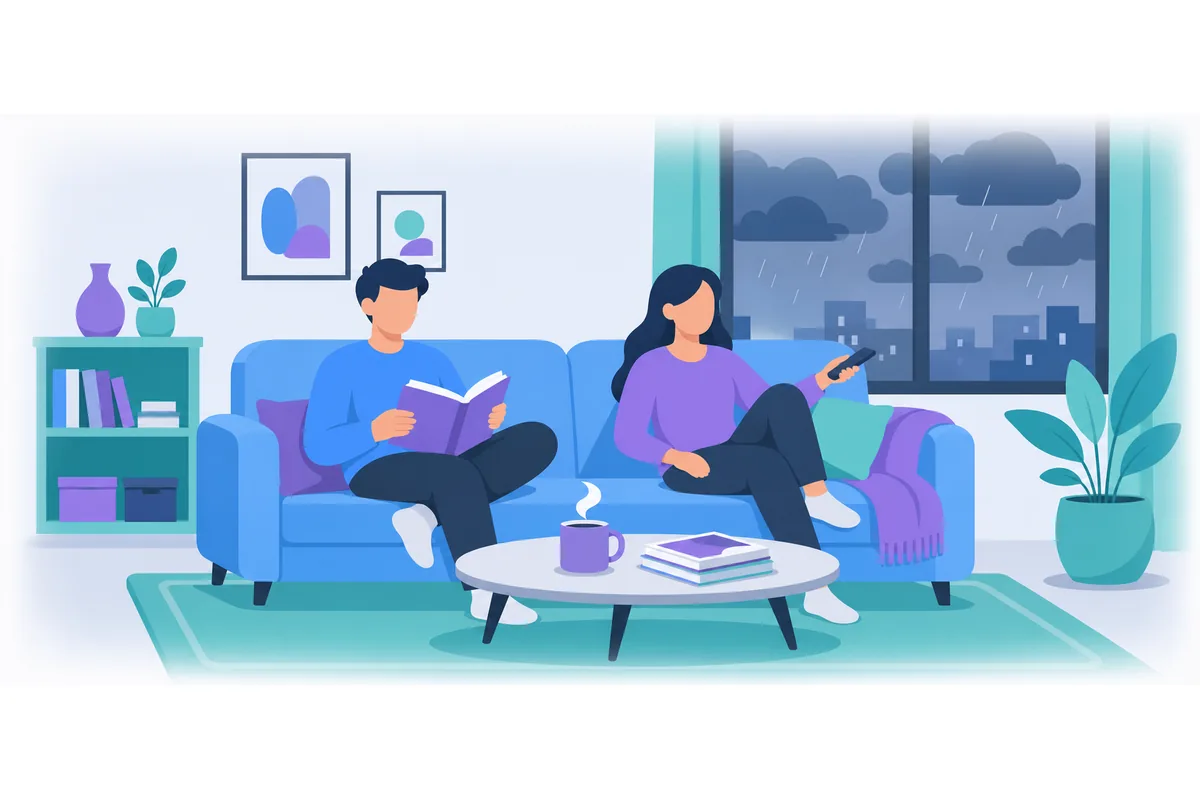
If it rains tomorrow, we will stay at home.
Prediction · Future result
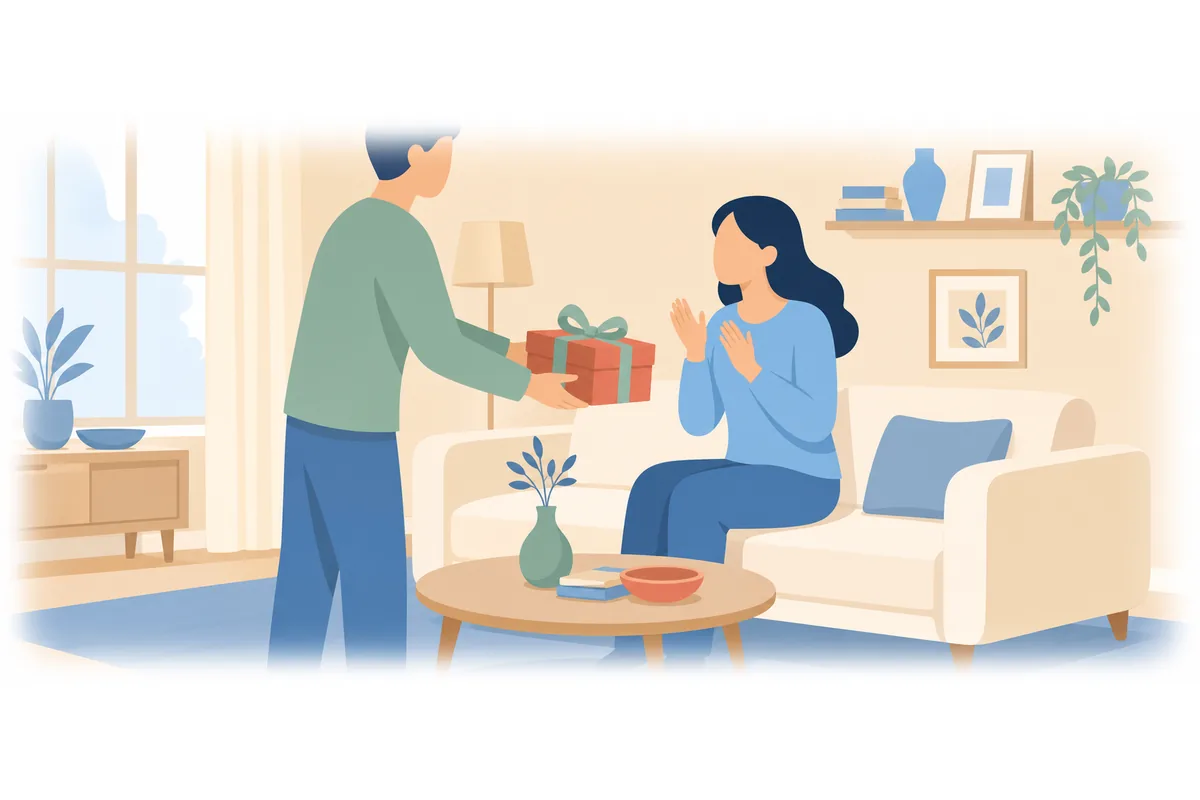
She will be happy if you give her that gift.
Promise · Conditional consequence

If we don't leave now, we will miss the flight.
Warning · Negative condition
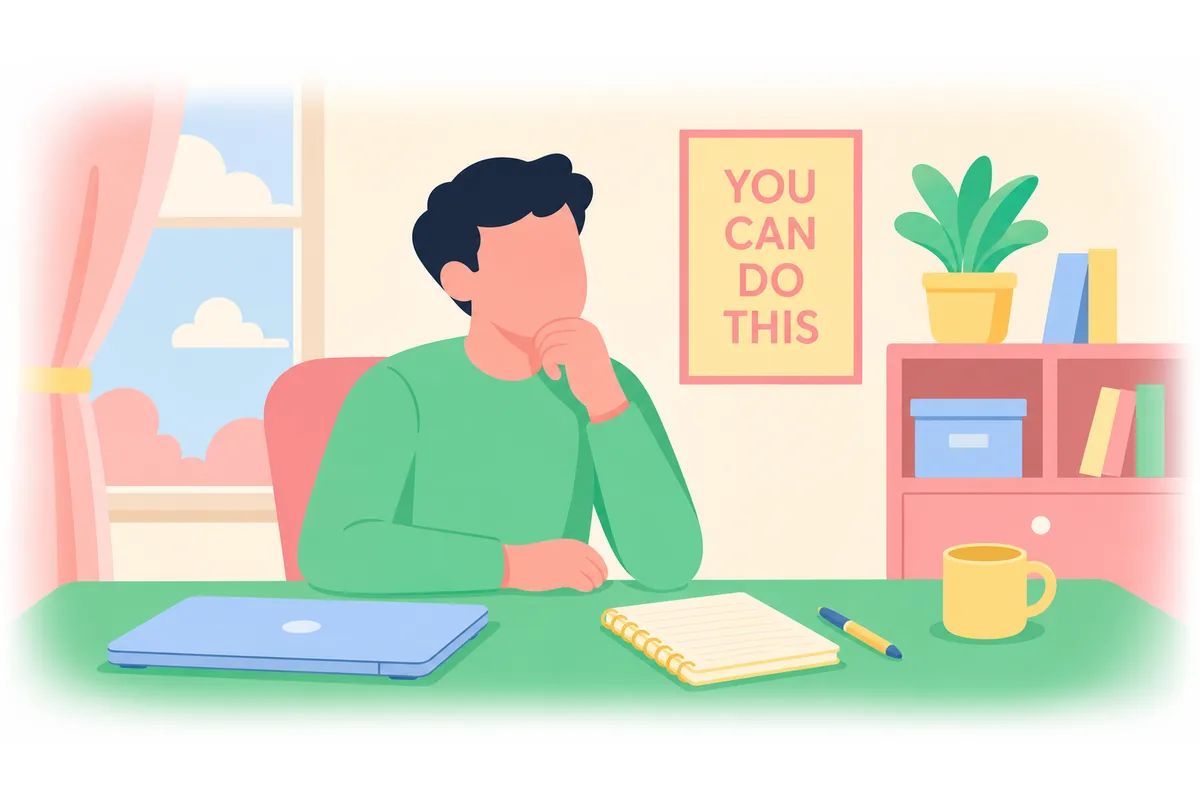
What will you do if you don't get the job?
Question · Hypothetical plan
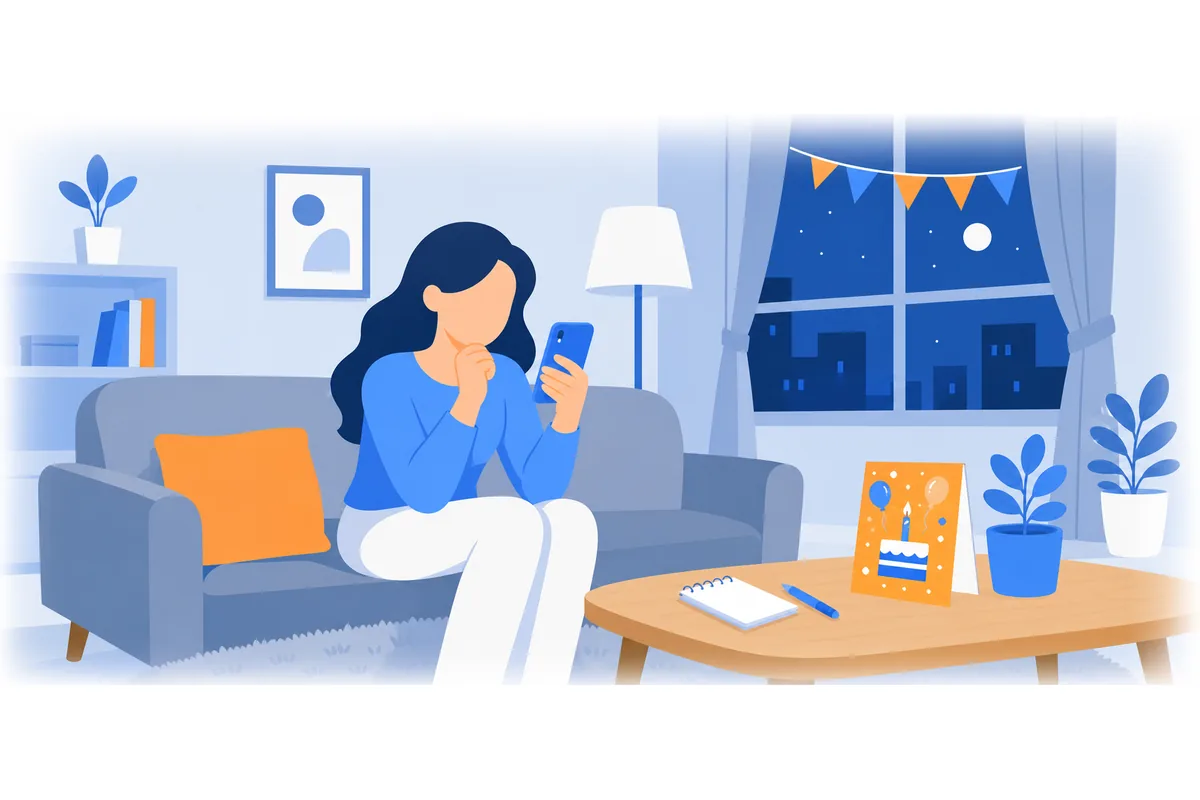
If my friend calls me, I will invite her to the party.
Real possibility · Future action

They won't come if you don't invite them.
Negative result · Dependent condition
When to use it
Making Plans
Use the first conditional when discussing future plans that depend on a condition.
If we finish work on time, we will go to the cinema.
Warnings & Advice
Express consequences or give advice about what will happen if someone does or doesn't do something.
If you don't eat breakfast, you will feel tired all morning.
Making Promises
Use it to promise what you will do under certain conditions.
If you help me move, I will cook dinner for you.
Making Predictions
Predict what is likely to happen if a specific condition occurs.
If the weather is nice, many people will visit the beach.
Signal words
if
unless
as long as
in case
provided that
supposing
when
Common Mistakes
✕
Wrong
If you will study, you will pass.
✓
Correct
If you study, you will pass.
Use present simple in the if-clause, not will. Never use 'will' after 'if' in first conditional.
✕
Wrong
If you come tomorrow, I am very happy.
✓
Correct
If you come tomorrow, I will be very happy.
Use will + base verb in the result clause, not present simple. The result is a future consequence.
✕
Wrong
If it rain, I stay home.
✓
Correct
If it rains, I will stay home.
Add -s to the verb in third person singular (it rains), and use will in the result clause.
KEY TAKEAWAYS
What to Remember
- Use the first conditional to describe real or probable future situations with specific conditions.
- Structure: If + present simple condition + will + base verb result clause.
- The condition clause uses present simple tense, not future tense, even though it's future.
- Use this structure for possible situations that are likely or probable to happen.
- Common mistake: don't use will in the condition clause; only use it in result.