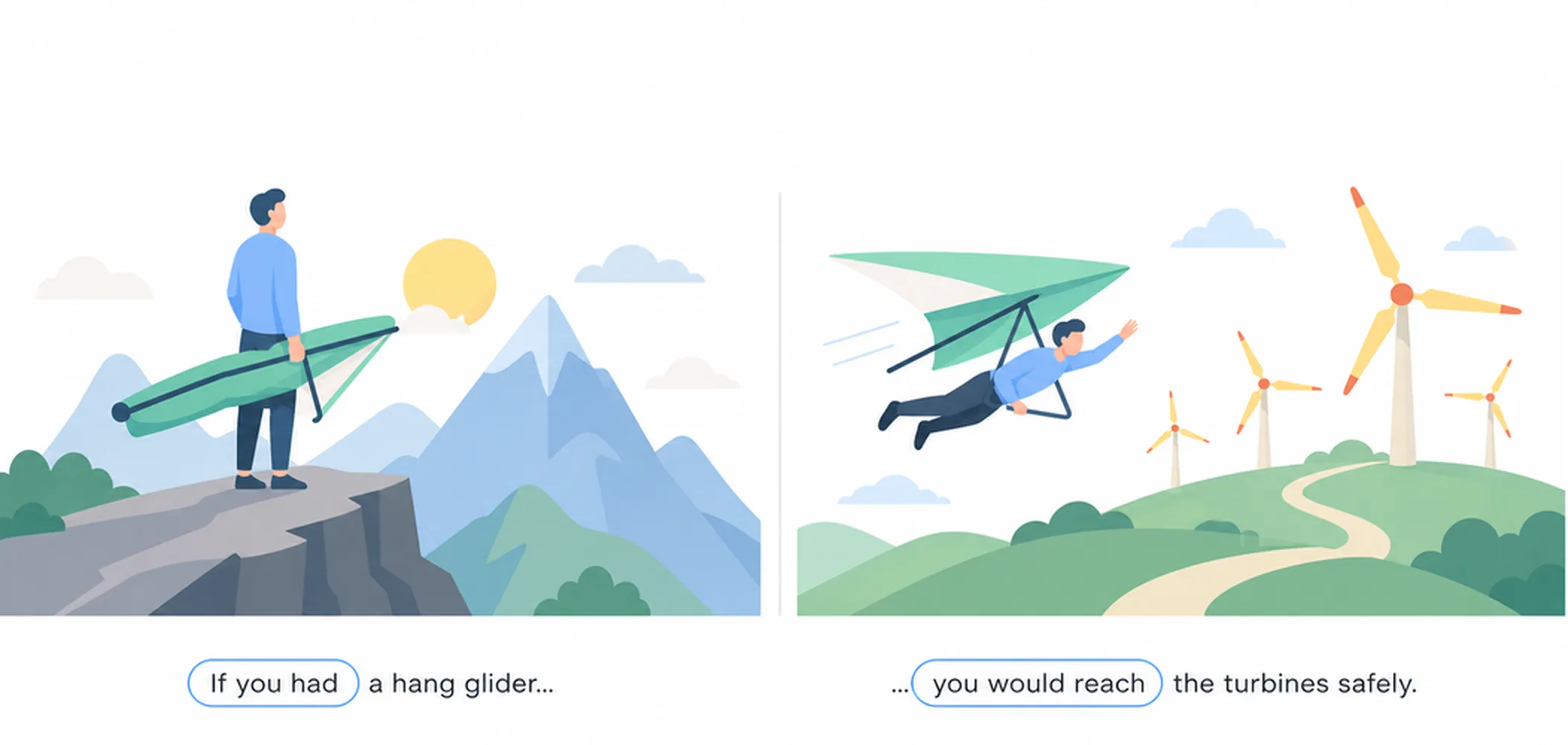
What is the Second Conditional?
The second conditional is used to talk about imaginary or unlikely situations in the present or future, and their possible results. It expresses something that is not real now or probably will not happen. The structure uses the past simple in the 'if' clause and 'would' plus the base form of the verb in the main clause. For example: 'If I won the lottery, I would travel around the world.' This is different from the first conditional, which is for more likely situations.
How to Form the Second Conditional
Positive Form
| Structure | Formula | Example |
|---|---|---|
| Pattern | If + Subject + Past Simple + Object, Subject + would + Base Verb + Object | If I had more time, I would travel the world. |
| Notes: Use the past simple tense in the if-clause even though you are talking about the present or future. In the main clause, use "would" + the base form of the verb (infinitive without "to"). | ||
Negative Form
| Structure | Formula | Example |
|---|---|---|
| Pattern | If + Subject + Past Simple + Object, Subject + would + not + Base Verb + Object | If she did not have other plans, she would attend the meeting. |
| Notes: To make the second conditional negative, add "not" after "would" in the main clause. You can also use the contraction "wouldn't" instead of "would not" in spoken and informal English. | ||
Contraction tip: "would not" is commonly contracted to "wouldn't" in conversation and informal writing: If she didn't have other plans, she wouldn't attend the meeting.
Formula
✔ Positive
If
+
subject
+
past simple verb
+
,
+
subject
+
would
+
base verb
If I lived in Paris, I would speak French every day.
✖ Negative
If
+
subject
+
past simple verb
+
,
+
subject
+
would not
+
base verb
If he didn't have to work, he would not feel so stressed.
? Question
Would
+
subject
+
base verb
+
if
+
subject
+
past simple verb
+
?
Would you move abroad if you got a job offer?
Examples
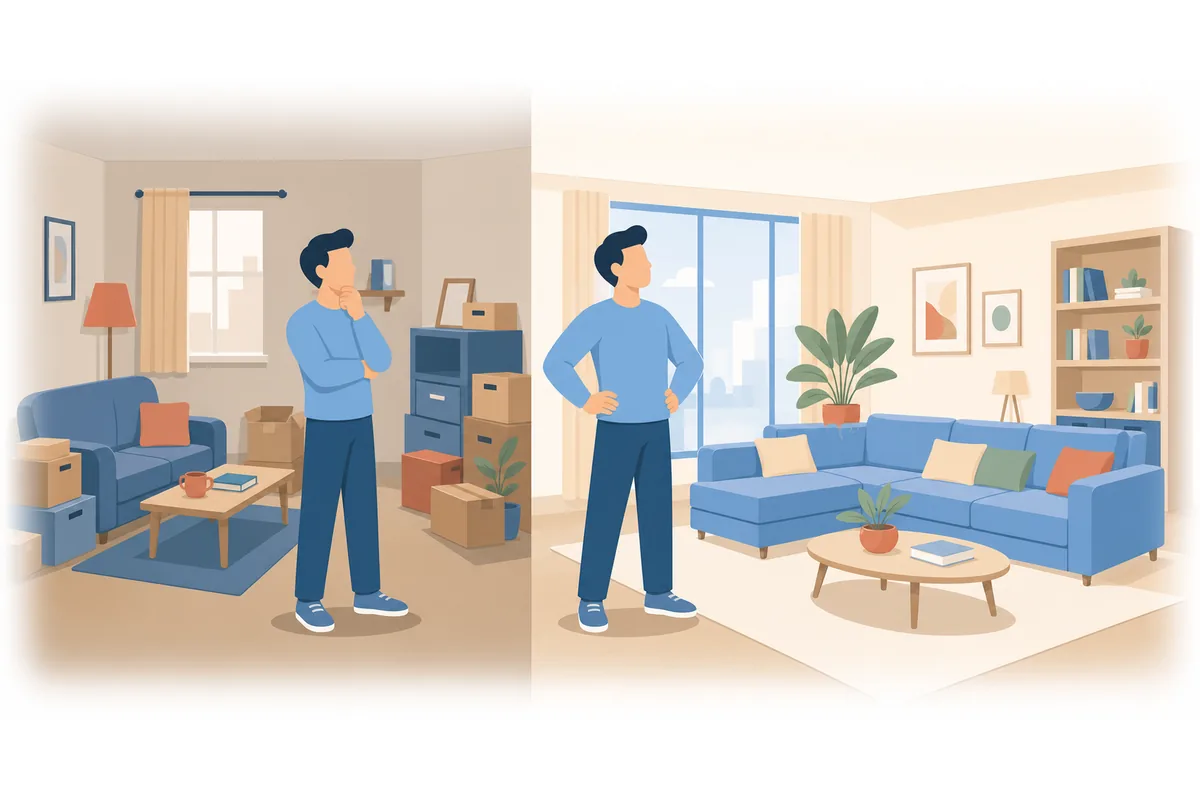
If I had more money, I would buy a bigger house.
Positive · Unreal present situation

If she studied harder, she would pass the exam.
Positive · Unlikely future situation
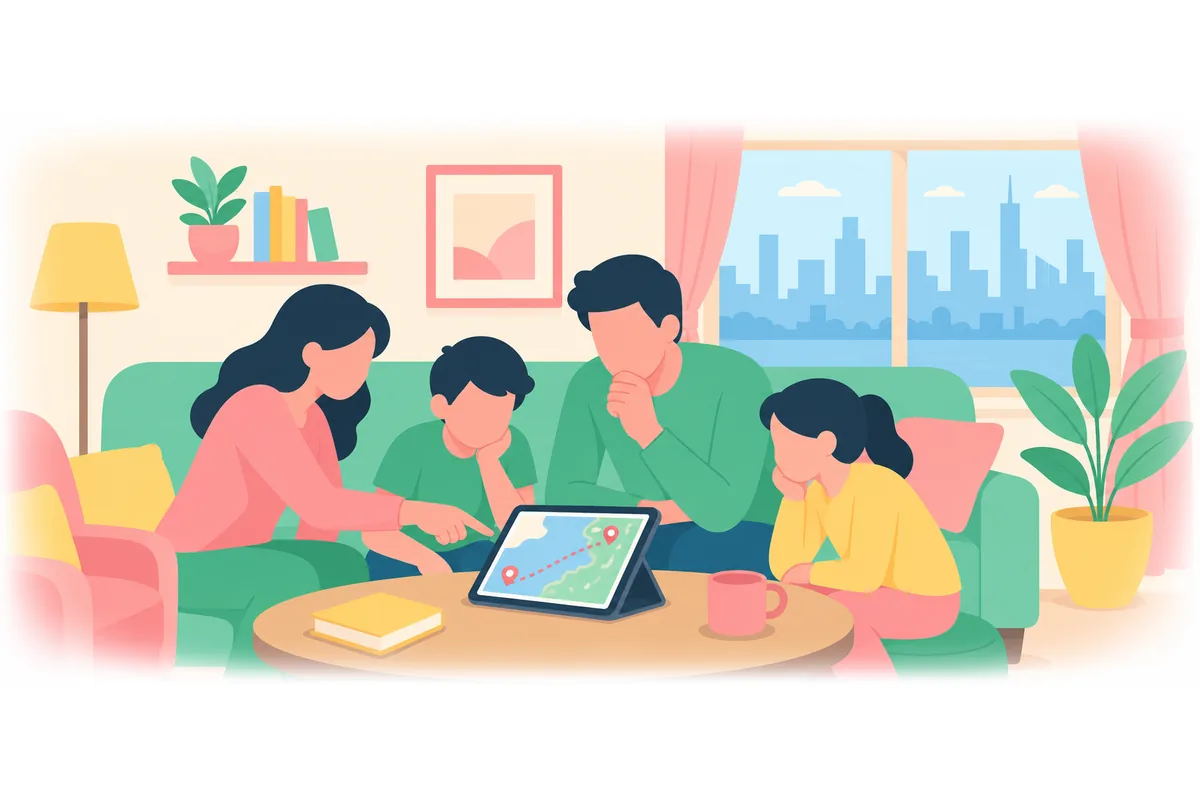
If they didn't live so far away, they would visit us more often.
Negative · Imaginary situation

If you drank less coffee, you would sleep better at night.
Positive · General advice

Would you be happier if you changed your job?
Question · Hypothetical scenario

If we won the competition, we wouldn't have to pay for the trip.
Negative · Imaginary consequence
When to use it
Imaginary Situations
Use the second conditional to talk about something that is not real or doesn't exist now. It helps you imagine different possibilities.
"If I were a superhero, I would help people in danger."
Giving Advice
Use it to suggest what might improve a situation or give friendly recommendations about hypothetical changes.
"If you practiced every day, you would improve your English faster."
Unlikely Future Events
Use it for situations that probably won't happen but are possible. These are less likely than first conditional situations.
"If you became a professional athlete, you would travel the world."
Signal words
If
would
supposed
what if
in case
Common Mistakes
✕
Wrong
If I would have more time, I would travel more.
✓
Correct
If I had more time, I would travel more.
The 'if' clause uses past simple (had), not 'would'. Only the main clause uses 'would'.
✕
Wrong
If she studied harder, she will pass the exam.
✓
Correct
If she studied harder, she would pass the exam.
Use 'would' in the main clause, not 'will'. 'Will' is for the first conditional (likely situations).
✕
Wrong
If you didn't eat so much, you feel better.
✓
Correct
If you didn't eat so much, you would feel better.
The main clause must have 'would' + base verb. Missing 'would' makes it incorrect.
KEY TAKEAWAYS
What to Remember
- Use the second conditional to describe imaginary or unlikely situations in the present or future.
- The 'if' clause uses the past simple tense, even though the situation is imaginary.
- The main clause uses 'would' plus the base form of the verb.
- Don't use 'will' in the main clause; use 'would' instead for second conditional sentences.
- The second conditional is different from the first conditional, which describes more probable situations.