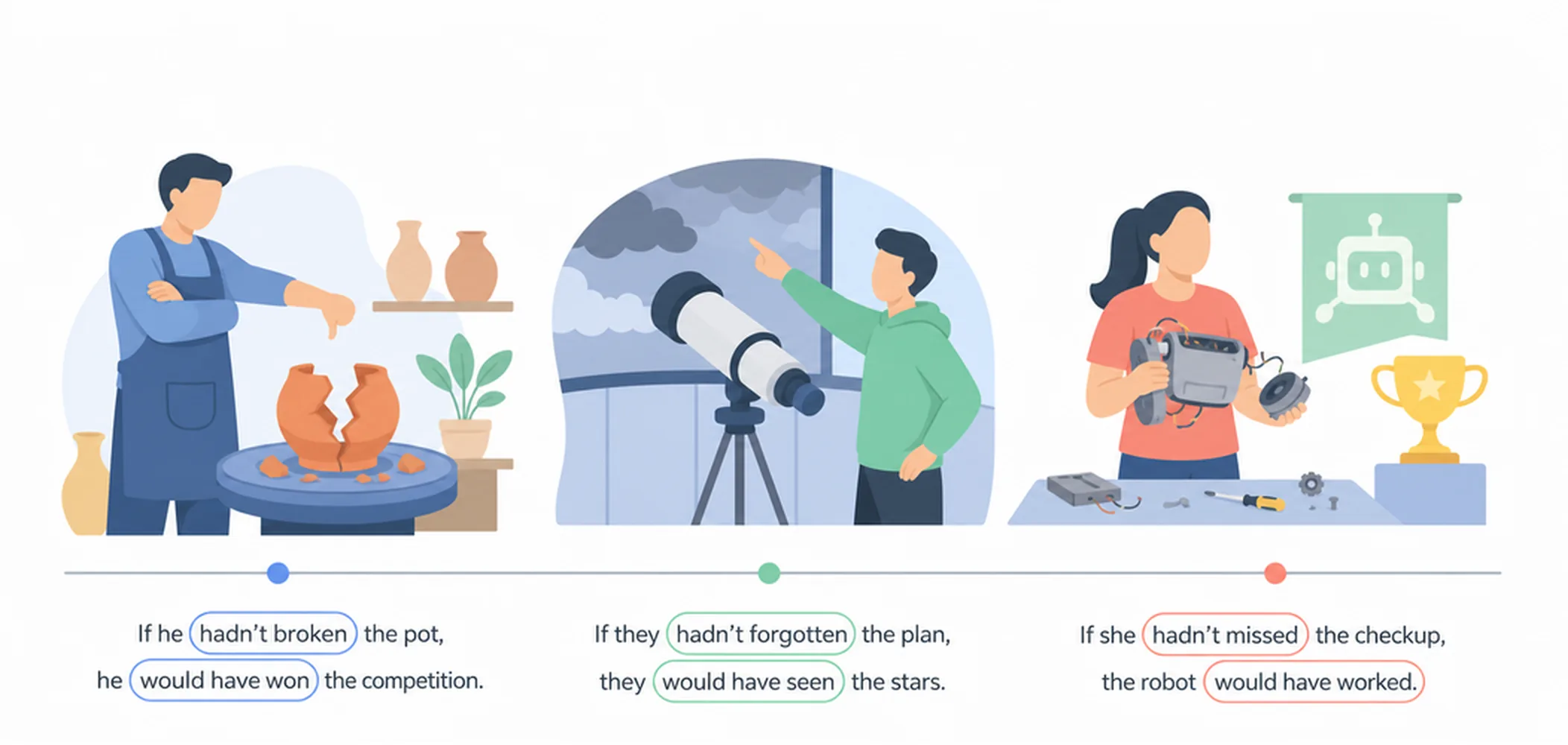
Third Conditional Negative Sentences
The third conditional is used to express hypothetical situations in the past—events that did not happen and their imaginary consequences. Negative third conditional sentences follow a specific structure that differs from affirmative statements. Understanding how to form and use the negative is essential for discussing unrealised past possibilities and regrets at the B2 level.
Affirmative vs. Negative Third Conditional
| Category | Affirmative Third Conditional | Negative in If-Clause Only | Negative in Main Clause Only | Negative in Both Clauses |
|---|---|---|---|---|
| Form | If + had + past participle, would + have + past participle | If + had + not + past participle, would + have + past participle | If + had + past participle, would + not + have + past participle | If + had + not + past participle, would + not + have + past participle |
| When to use | To imagine a past situation that did not happen and its hypothetical positive result | To imagine that a past action did not occur and speculate on the positive outcome that would have followed | To imagine a past action that did occur and speculate on the negative outcome that would have resulted | To imagine that a past action did not happen and speculate on the negative outcome that also would not have followed |
| Positive example | "If she had studied harder, she would have passed the exam." | "If he had not missed the flight, he would have arrived on time." | "If they had invited me, I would not have stayed at home." | "If it had not rained, we would not have cancelled the picnic." |
| Negative example | "If I had taken the job, my life would have changed completely." (Reality: I didn't take it.) | "If she had not argued with her boss, she would have kept her position." (Reality: she did argue.) | "If you had told me the truth, I would not have been so upset." (Reality: you didn't tell me.) | "If we had not left early, we would not have avoided the traffic." (Reality: we did leave early.) |
| Question example | "Would you have come if I had asked you?" | "Would he have succeeded if he had not given up so soon?" | "Would she not have struggled if she had prepared better?" | "Would they not have lost if they had not made so many errors?" |
| Key signal words | if, would have, had | if … hadn't / had not, would have | if … had, wouldn't have / would not have | if … hadn't / had not, wouldn't have / would not have |
| 🔑 Key Difference: All four structures refer to unreal, imagined situations in the past. The crucial distinction lies in where the negation appears. Negating the if-clause reverses the hypothetical past condition (the thing that did or did not happen), while negating the main clause reverses the hypothetical outcome (the consequence that would or would not have followed). When both clauses are negated, both the condition and its result are presented as absent, often highlighting an ironic or double-negative logic — meaning two negatives can combine to express a surprising positive real-world outcome. | ||||
Formula
✖ Negative
If
+
subject
+
had not (hadn't) + past participle
+
,
+
subject
+
would/could/might not have + past participle
If I hadn't missed the train, I wouldn't have been late to the meeting.
? Question
Would/Could/Might
+
subject
+
have + past participle
+
if
+
subject
+
hadn't + past participle
+
?
Would you have passed the exam if you hadn't studied at all?
Examples

If she hadn't forgotten her passport, she would have caught her flight.
Negative condition with negative main clause result

They wouldn't have lost the contract if they hadn't ignored the client's concerns.
Business/professional context
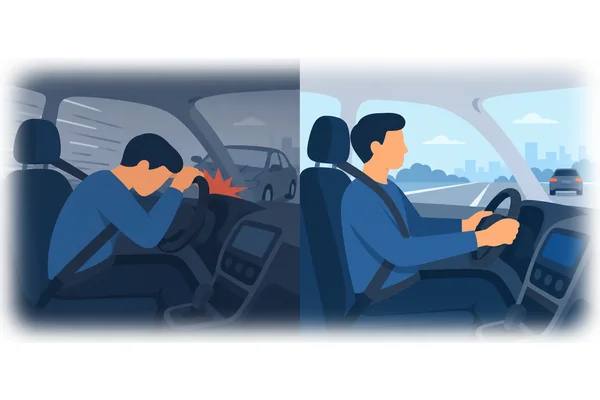
Would he have survived the accident if he hadn't been wearing a seatbelt?
Question form with negative condition
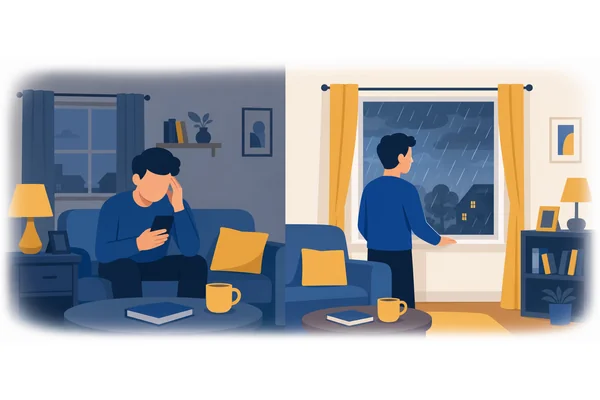
If you hadn't warned me about the storm, I might have driven into dangerous weather.
Using 'might' to show possibility

She wouldn't have felt anxious if she hadn't read those negative comments online.
Emotional consequence

Wouldn't the project have failed if the manager hadn't intervened quickly?
Question implying a positive outcome due to intervention
When to use it
Expressing Regret
Use negative third conditional to discuss past mistakes and what you wish you had done differently.
"If I hadn't quit my job without planning ahead, I wouldn't have struggled financially."
Hypothetical Analysis
Analyse how the absence of an action would have changed historical events or outcomes.
"If the bridge hadn't been built, the city wouldn't have developed so rapidly."
Speculation in Conversations
Discuss 'what if' scenarios in informal discussion about past events.
"Wouldn't you have gotten the job if you hadn't made that mistake in the interview?"
Signal words
if
hadn't
wouldn't have
couldn't have
might not have
otherwise
in that case
Common Mistakes
✕
Wrong
If he hadn't gone to the party, he would go home early.
✓
Correct
If he hadn't gone to the party, he would have gone home early.
The main clause must use 'would have + past participle', not just 'would' + infinitive, in third conditional.
✕
Wrong
If she didn't study, she wouldn't have passed the test.
✓
Correct
If she hadn't studied, she wouldn't have passed the test.
The if-clause requires 'had not + past participle' (past perfect), not simple past, in third conditional.
KEY TAKEAWAYS
What to Remember
- The third conditional structure is: If + past perfect + would/could/might + have + past participle.
- To form negative third conditionals, add "not" after the auxiliary verb in the if-clause or main clause.
- Use "had not" (or "hadn't") in the if-clause to negate the past perfect condition.
- Use "would not have" (or "wouldn't have") in the main clause to negate the imaginary consequence.
- Common mistake: avoid mixing tenses or forgetting "have" before the past participle in the main clause.