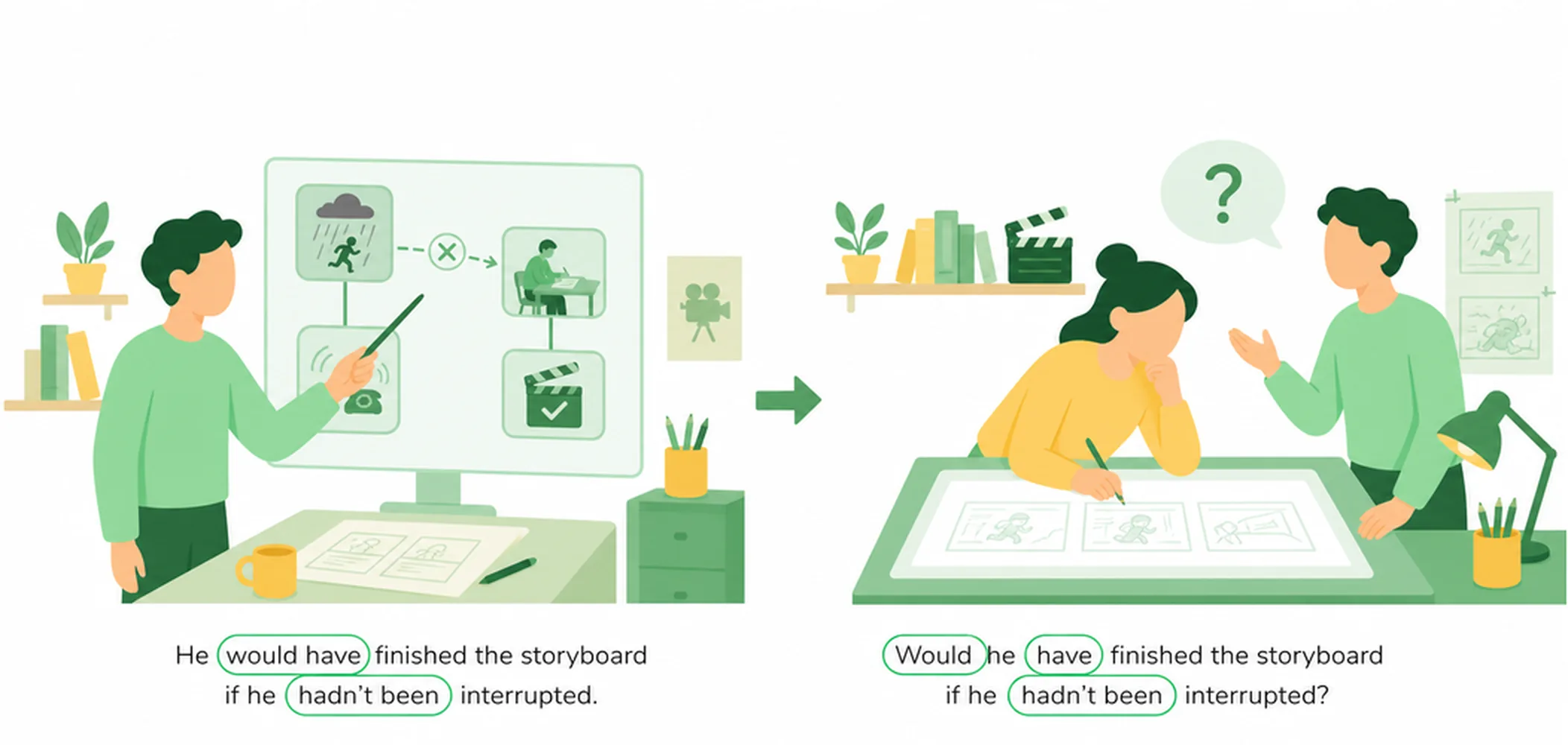
Third Conditional Questions and Negatives
The third conditional expresses hypothetical situations in the past—things that didn't happen. When forming questions and negatives with the third conditional, the structure changes slightly from statements. Understanding these forms helps you discuss past regrets, missed opportunities, and imaginary scenarios with confidence.
Question Forms at a Glance
| Modal | Statement | Yes/No Question | Wh- Question | If-Clause Word Order | Note |
|---|---|---|---|---|---|
| would | You would have called if you had known. | Would you have called if you had known? | What would you have done if you had known? | If-clause keeps normal word order: if + subject + had + past participle | Only the main clause inverts; the if-clause never inverts in questions. |
| could | She could have left if she had wanted. | Could she have left if she had wanted? | Where could she have gone if she had left? | If-clause keeps normal word order: if + subject + had + past participle | Could have suggests possibility or ability in the past. |
| might | They might have won if they had practised. | Might they have won if they had practised? | What might they have achieved if they had practised? | If-clause keeps normal word order: if + subject + had + past participle | Might have expresses a weaker, more uncertain possibility than would have. |
| Structure Summary | |||||
| Statement main clause: Subject + modal + have + past participle |
Yes/No question main clause: Modal + subject + have + past participle |
Wh- question main clause: Wh- word + modal + subject + have + past participle |
|||
Formula
✖ Negative
Subject
+
would (not) + have
+
past participle
If you had studied harder, you would not have failed the exam.
? Question
Would
+
subject
+
have
+
past participle
+
if clause?
Would you have accepted the job if they had offered it to you?
Examples

Would she have been promoted if she had completed the project on time?
Question form · Past hypothetical scenario

If I had known about the accident, I would not have taken that route.
Negative form · Expressing a missed prevention
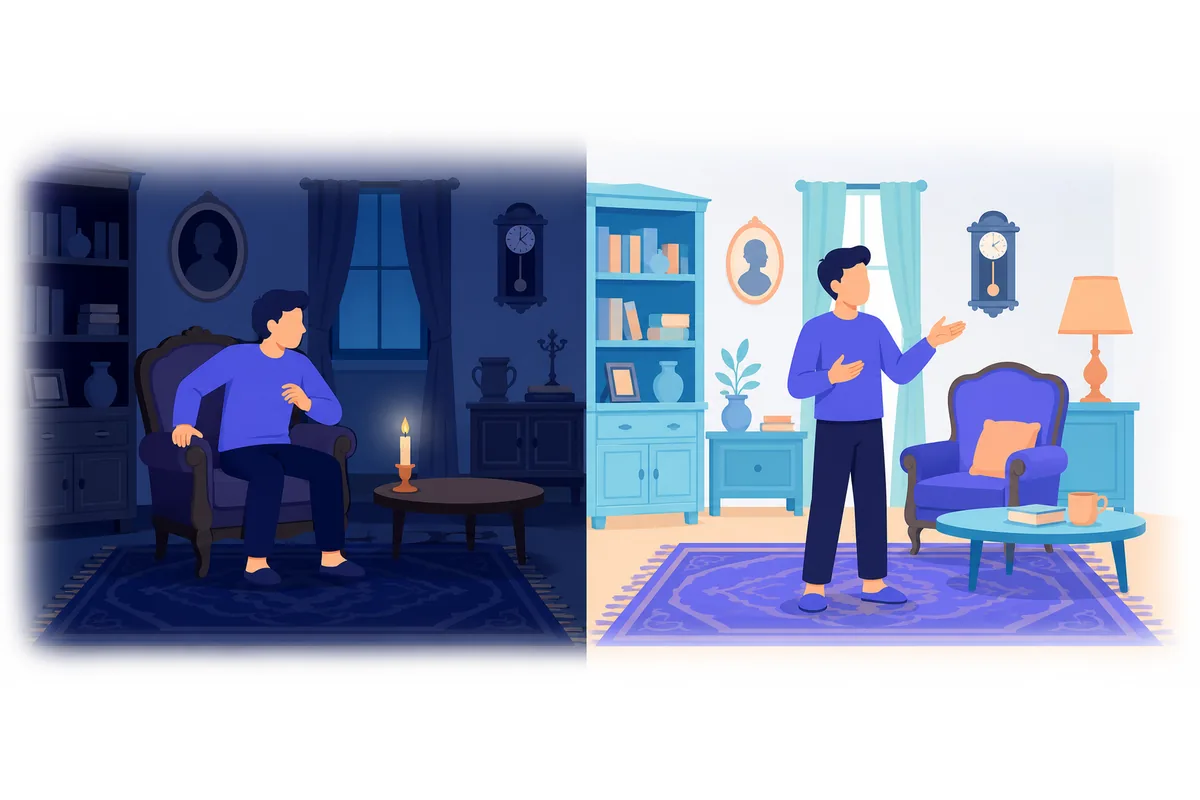
What would you have done if you had seen a ghost?
Question with question word · Imaginary situation

They would not have missed their flight if they had left earlier.
Negative form · Expressing regret

Would the outcome have been different if the team had trained better?
Question form · Speculating about results

If he hadn't been ill, he would not have declined the invitation.
Negative form · Linking cause and consequence
When to use it
Expressing Regret
Use third conditional questions and negatives to discuss things you wish had happened differently in the past.
"I wouldn't have argued with her if I had known she was right. Would you have handled it differently?"
Speculating About Outcomes
Ask questions to explore hypothetical results of different past actions in discussions or analysis.
"Would the company have succeeded if they hadn't invested in technology? What would you have done?"
Discussing History or Stories
Use these forms when discussing historical events or fictional scenarios to imagine alternate outcomes.
"If Napoleon had won at Waterloo, would Europe have been unified? Things would not have developed the same way."
Signal words
if
would (not) have
had
would
what if
could (not) have
might (not) have
Common Mistakes
✕
Wrong
Would you have went if I had asked you?
✓
Correct
Would you have gone if I had asked you?
Use the past participle form 'gone' after 'have', not the past tense 'went'.
✕
Wrong
If you studied harder, would you have passed?
✓
Correct
If you had studied harder, would you have passed?
The if-clause needs 'had + past participle' (perfect past), not simple past.
KEY TAKEAWAYS
What to Remember
- Use "had" + past participle in the if-clause for all subjects without changing the auxiliary verb.
- In questions, invert the auxiliary verb and subject in the main clause, not the if-clause.
- Form main clause questions as: "Would/could/might + subject + have + past participle?"
- The if-clause structure remains unchanged in questions; only the main clause word order changes.
- Common mistake: don't invert the if-clause; keep "if + subject + had + past participle" in statements and questions.