What Are Articles in Expressions?
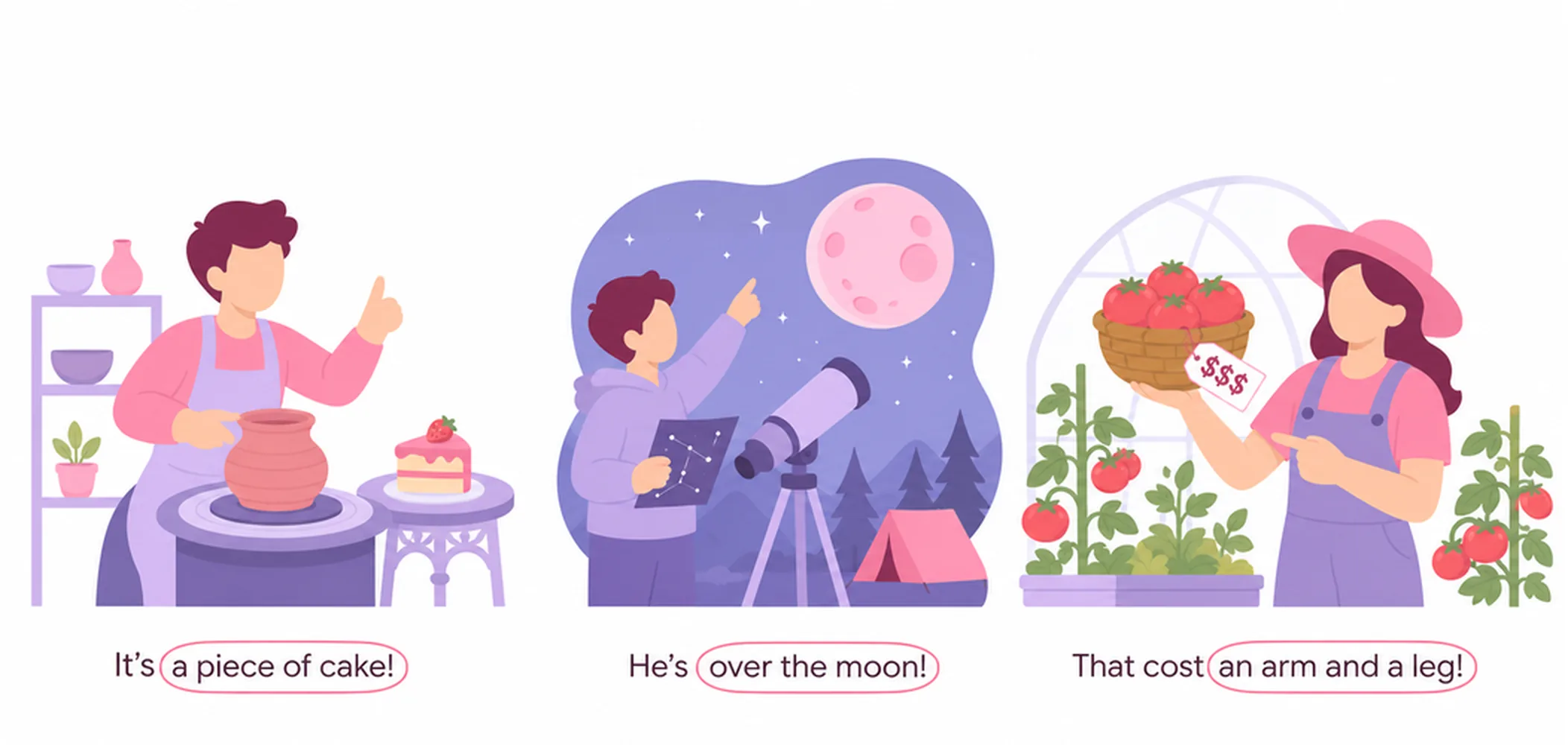
Articles are small words (a, an, the) that we use before nouns. Many common English expressions use articles in a fixed way. When you learn these expressions, you must use the correct article. The article is part of the expression — you cannot change it. Learning expressions with their articles helps you sound natural and speak correctly.
Common Expressions With 'The'
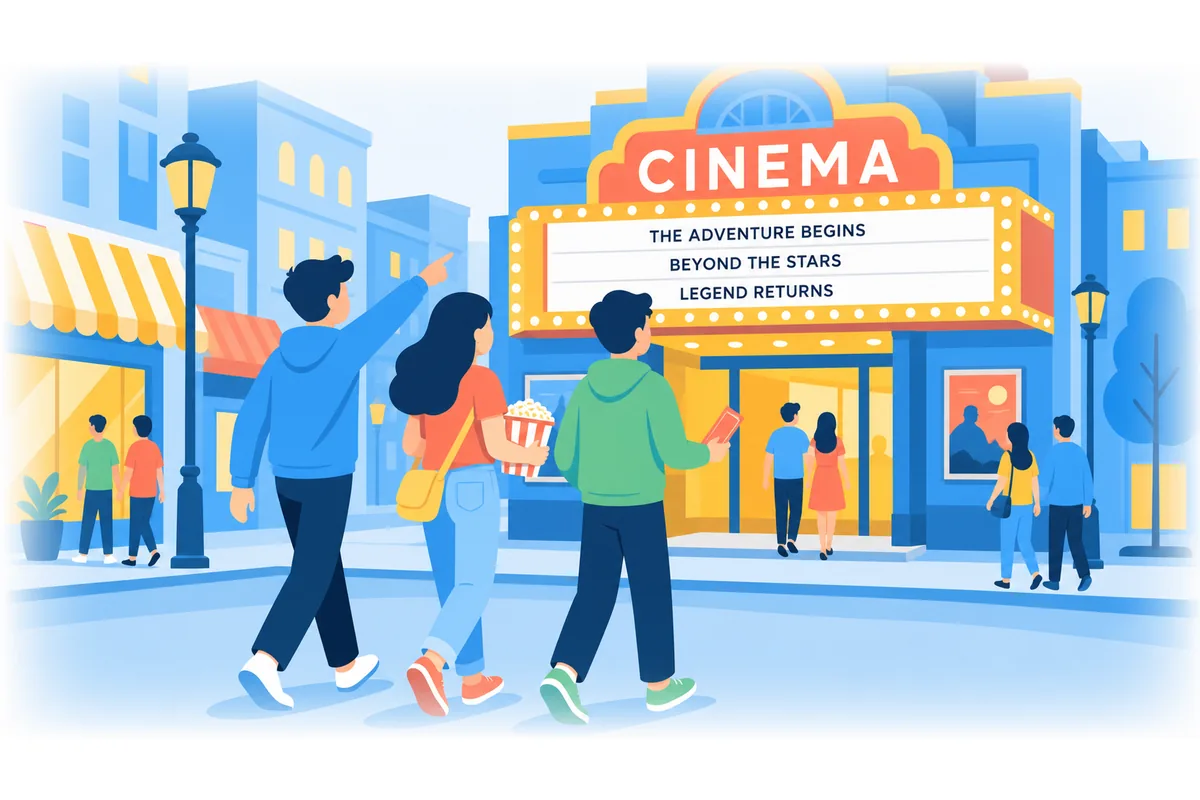
Many fixed expressions use the article 'the'. These expressions are so common that we always say them the same way. For example, we say 'the morning' and 'the afternoon' when we talk about parts of the day. We also say 'go to the beach' or 'go to the cinema' — always with 'the'. These expressions are fixed, so you must remember them with 'the'.
Common Expressions With 'A' or 'An'
Some expressions always use 'a' or 'an'. For example, we say 'have a good time', 'have a break', and 'have a chat'. We also say 'take a photo', 'take a walk', and 'take a seat'. These are common patterns that you should memorize. Remember: 'a' comes before consonant sounds, and 'an' comes before vowel sounds.
Common Expressions and Their Articles
| Article | Expression | Example | Context Note |
|---|---|---|---|
| a / an | as a rule | As a rule, she wakes up early. | Means "generally" or "usually" |
| as a matter of fact | As a matter of fact, I've been there. | Introduces a true or surprising statement | |
| at a loss | He was at a loss for words. | Unable to speak or act; also financial loss | |
| have a good time | Did you have a good time at the party? | Enjoy an event or occasion | |
| in a hurry | She left in a hurry. | Doing something quickly or rushed | |
| in a moment | I'll be ready in a moment. | Very soon; a short time from now | |
| make a decision | It's time to make a decision. | Decide; "a decision" = one choice being made | |
| on a regular basis | Exercise on a regular basis. | Regularly; "a regular basis" = one consistent pattern | |
| take a break | Let's take a break for lunch. | Pause from an activity | |
| once a week / twice a day | She calls once a week. | "a" = per (distributive use); fixed frequency phrase | |
| all of a sudden | All of a sudden it started raining. | Suddenly and unexpectedly | |
| at an advantage | Locals are at an advantage. | In a favorable position | |
| in an instant | It disappeared in an instant. | Immediately; use "an" before vowel sound | |
| once in a while | I eat pizza once in a while. | Occasionally; not often | |
| the | in the end | In the end, everything worked out. | Finally; after a long process |
| on the other hand | On the other hand, it could work. | Introduces a contrasting viewpoint | |
| at the moment | He's busy at the moment. | Right now; currently | |
| by the way | By the way, have you met Ana? | Introduces an aside or extra information | |
| for the time being | For the time being, stay here. | Temporarily; until something changes | |
| on the whole | On the whole, it was a success. | Generally speaking; overall | |
| in the long run | In the long run, saving pays off. | Over a long period of time; eventually | |
| out of the question | A refund is out of the question. | Impossible; not to be considered | |
| at the same time | Don't talk and eat at the same time. | Simultaneously; also = "however" | |
| hit the road | Let's hit the road early tomorrow. | Leave or start a journey | |
| in the distance | We saw mountains in the distance. | Far away but visible | |
| on the subject | On the subject of holidays, any plans? | Concerning; regarding a particular topic | |
| to the best of | To the best of my knowledge, it's true. | As far as one knows or is able | |
| the more the merrier | Bring your friends; the more the merrier. | A larger number is better or more welcome |
Examples





What to Remember
- Articles are small words (a, an, the) that come before nouns in English sentences.
- Many common expressions use articles in fixed ways that you must memorize exactly as they appear.
- The article is part of the expression, so you cannot change or omit it without sounding incorrect.
- Many fixed expressions use 'the' because they refer to specific, well-known things in everyday situations.
- Learning expressions with their correct articles helps you speak naturally and avoid common mistakes.