Understanding Negative Sentences
Negative sentences tell us what is NOT true or what does NOT happen. In English, we make sentences negative by adding 'not' or 'do not' / 'does not' / 'did not'. This article shows you real examples of negative sentences in different situations and tenses. Pay attention to where 'not' goes in each sentence—this changes depending on the verb type.
Examples — page 1 of 5

I do not like coffee.
Present simple · Negative · Everyday preference

She doesn't work on Sundays.
Present simple · 3rd person · Regular habit

They didn't go to the party last night.
Past simple · Completed action

He is not a teacher.
Present simple (to be) · Identity

We are not ready yet.
Present simple (to be) · State of being

It doesn't rain very often here.
Present simple · General fact

I cannot speak French.
Modal verb · Ability

She was not in class yesterday.
Past simple (to be) · Location
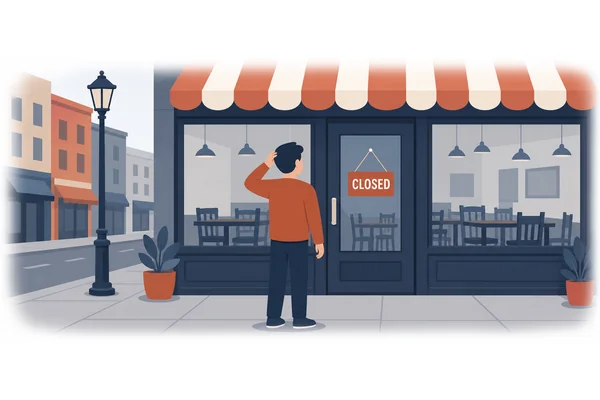
The restaurant does not open on Mondays.
Present simple · Business rule
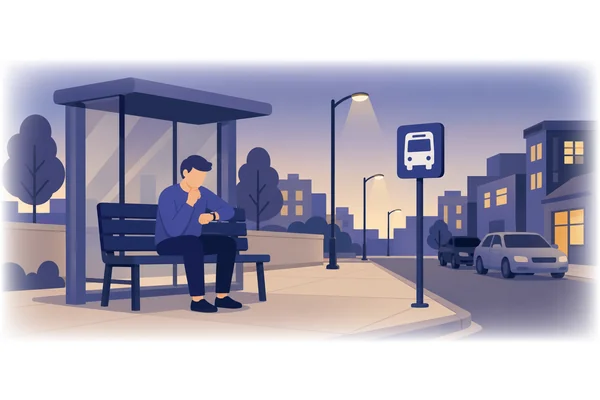
They will not arrive before 7 pm.
Future simple · Prediction
Signal words
do not
does not
didn't
don't
doesn't
is not
isn't
are not
aren't
was not
wasn't
were not
weren't
cannot
can't
will not
won't
KEY TAKEAWAYS
What to Remember
- Add 'not' after the auxiliary verb in present simple and past simple tenses.
- With the verb 'to be', place 'not' directly after the verb form (is not, was not).
- In present simple questions, use 'do not' or 'does not' before the main verb.
- Modal verbs like 'can', 'will', 'must' take 'not' immediately after the modal verb.
- Contractions like 'don't', 'doesn't', 'didn't' are common in spoken English and informal writing.