What Are Cleft Sentences?
Cleft sentences are a grammatical structure used to emphasize or highlight a specific part of a sentence. Instead of saying 'I like coffee,' you can say 'It's coffee that I like' — this shifts focus to 'coffee.' There are two main types: it-clefts (beginning with 'It is/was...') and wh-clefts (beginning with 'What...'). Cleft sentences are common in both spoken and written English at all levels.
Examples — page 1 of 3
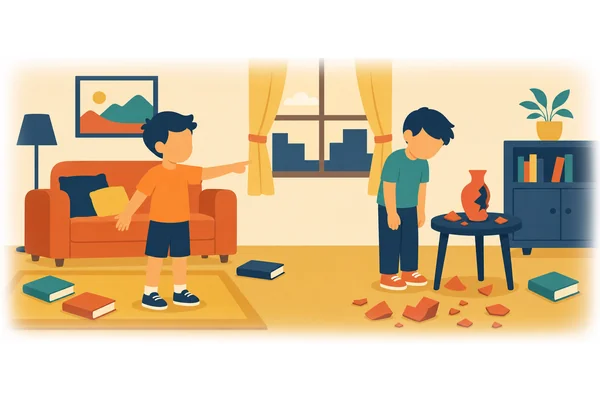
It was my brother who broke the vase, not me.
Everyday usage · Emphasizing responsibility

What she really needed was a holiday.
Wh-cleft · Emphasizing the solution

It's the customer service that makes this company special.
Business context · Highlighting a strength

What I didn't understand was why he left so suddenly.
Wh-cleft · Expressing confusion
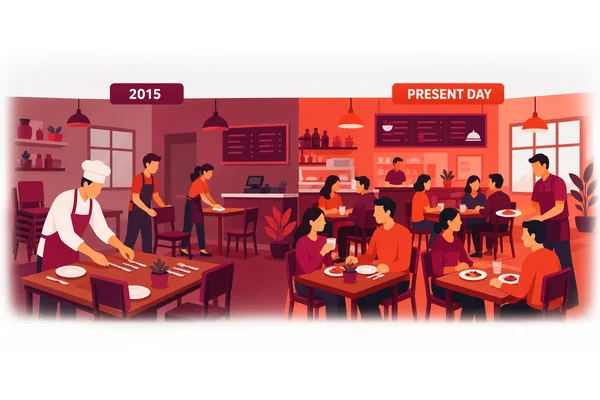
It was in 2015 that they first opened this restaurant.
Formal narrative · Emphasizing a time

What matters most is that you tried your best.
Motivational context · Emphasizing importance
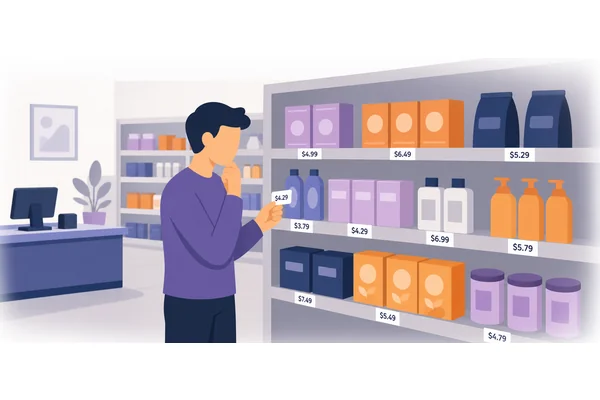
It's the price, not the quality, that concerns me.
Shopping/negotiations · Distinguishing factors

It was Sarah who won the competition yesterday.
Reporting news · Emphasizing the winner

What she said was completely unfair to everyone.
Wh-cleft · Making a judgment

It's by practicing every day that you'll improve your English.
Advice · Emphasizing the method
Signal words
It is
It was
What
that
who
which
where
when
why
how
KEY TAKEAWAYS
What to Remember
- Cleft sentences emphasize a specific part by starting with "It is/was..." followed by the focused element.
- Use it-clefts to highlight nouns, noun phrases, or prepositional phrases in the middle of sentences.
- Wh-clefts begin with "What..." and emphasize the predicate or entire clause of the original sentence.
- The focused element in cleft sentences comes immediately after "is/was" or follows the "what" clause.
- Avoid over-using cleft sentences in formal writing as they can sound unnatural or overly emphatic.