What is a Cleft Sentence in Passive Form?
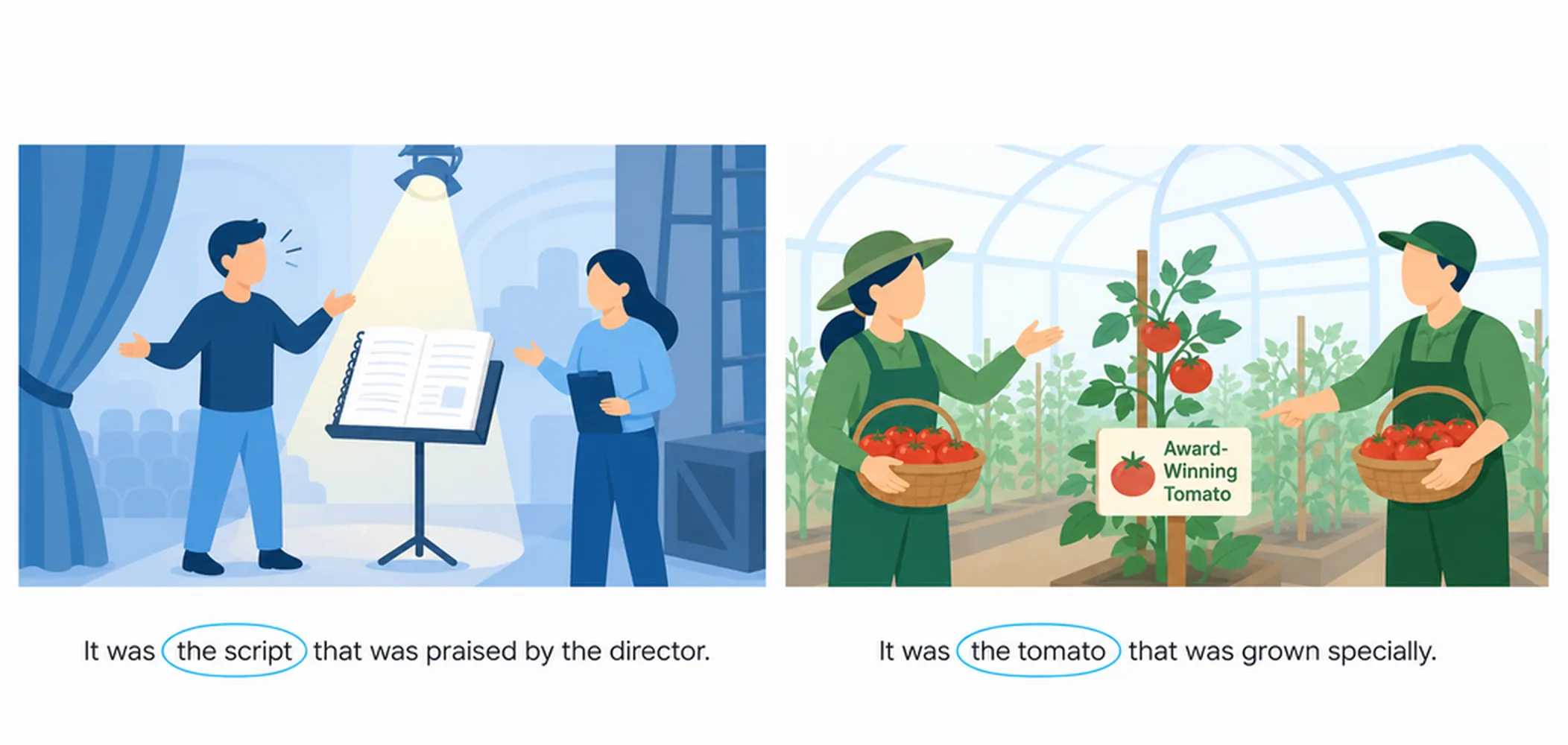
A cleft sentence is a way to emphasize or highlight a particular part of a sentence by splitting it into two clauses. In the passive form, we use "It was" or "It is" followed by the emphasized information, then a relative clause with the rest of the sentence in passive voice. This structure helps you focus attention on what is most important in your message. For example, instead of saying "A storm destroyed the bridge," you can say "It was the bridge that was destroyed by a storm" to emphasize what was destroyed.
Basic Structure of Passive Cleft Sentences
The typical pattern is: It was + [emphasized element] + that + [rest of sentence in passive voice]. The emphasized element can be the object, agent, time, or location. The relative clause (the part after "that") must use passive voice to match the original meaning. This is different from active cleft sentences because the verb in the relative clause is passive, not active.
When to Use Passive Cleft Sentences
Use passive cleft sentences when you want to emphasize what happened to something, who did something, or when/where it happened—but you want to keep the sentence in passive voice. This is especially useful in formal writing, reports, or when the "doer" of the action is unknown or unimportant. Passive cleft sentences are common in news reports, academic writing, and formal explanations where clarity and emphasis matter.
Active vs Passive Cleft Sentences: Side-by-Side Comparison
| Aspect | Active Cleft Sentence | Passive Cleft Sentence |
|---|---|---|
| Form |
It + be + focused element + that/who + subject does something
Pattern: It is [noun/pronoun] that [active clause]
|
It + be + focused element + that/who + was/were + past participle (by agent)
Pattern: It is [noun/pronoun] that [passive clause]
|
| When to Use | Use when you want to emphasise who performs an action or what/when/where an action occurs, while the performer (subject) is known or important. | Use when you want to emphasise the recipient of an action, when the agent is unknown, unimportant, or deliberately omitted, or when the focus is on what happened to something. |
| Positive Example |
It was Maria who designed the logo.
→ Emphasises Maria as the active designer.
|
It was the logo that was designed by Maria.
→ Emphasises the logo as the thing acted upon.
|
| Negative Example |
It was not the manager who approved the plan.
→ Denies the manager performed the approving action.
|
It was not the plan that was approved by the manager.
→ Denies the plan as the thing that received the approval.
|
| Question Example |
Was it the director who announced the decision?
→ Questions whether the director was the active announcer.
|
Was it the decision that was announced by the director?
→ Questions whether the decision was the thing announced.
|
| Key Signal Words |
|
|
| Emphasis Shift | Focus is on who or what performs the action. The agent is highlighted and grammatically foregrounded in the cleft position. | Focus shifts to what is acted upon. The agent may be absent entirely, allowing the object or recipient to take centre stage. |
| Grammatical Structure of the Relative Clause |
It was Maria who [she] designed the logo.
Relative clause uses an active verb form. The clefted element acts as the logical subject. |
It was the logo that [it] was designed by Maria.
Relative clause uses a passive verb form. The clefted element acts as the logical object/patient. |
| Register & Frequency | Common in both spoken and written English. Frequently used for contrastive emphasis and correction in everyday conversation. | More common in formal and written English (academic, journalistic, legal). Less frequent in casual speech due to the double structural complexity. |
| Additional Example Pair |
It was the committee that rejected the proposal.
The committee = doer; proposal = object.
|
It was the proposal that was rejected by the committee.
The proposal = highlighted; committee = background agent.
|
| Key Difference: Both active and passive cleft sentences use the It is/was … that/who structure to isolate and emphasise one element of a sentence, but they differ fundamentally in what is foregrounded and how the verb in the relative clause is constructed. In an active cleft, the highlighted element is the doer (agent) of the action, and the relative clause retains an active verb. In a passive cleft, the highlighted element is the receiver (patient) of the action, and the relative clause uses a passive construction (was/were + past participle), optionally followed by a by-phrase. The passive cleft is particularly useful when the agent is unknown, irrelevant, or when the writer or speaker deliberately wants to shift attention away from who performed the action and onto what was affected by it. | ||
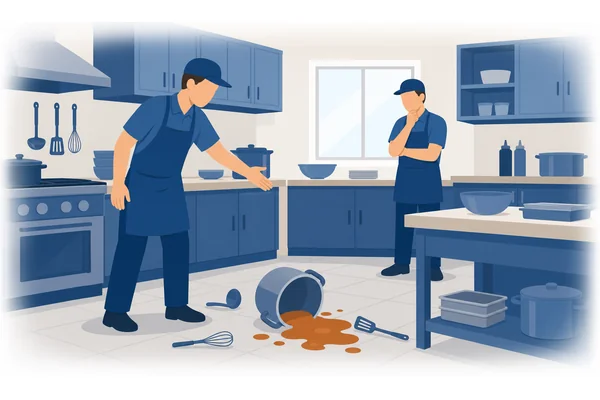
Examples





What to Remember
- Use "It was" or "It is" to start a passive cleft sentence for emphasis.
- Follow the main clause with a relative clause containing the passive voice verb.
- The emphasized element comes between "It was/is" and the relative pronoun "that."
- Cleft sentences highlight one part of the sentence to draw attention to it.
- Don't use active voice in the relative clause; keep the passive structure throughout.