What is Inversion with Hardly, Scarcely, and No Sooner?
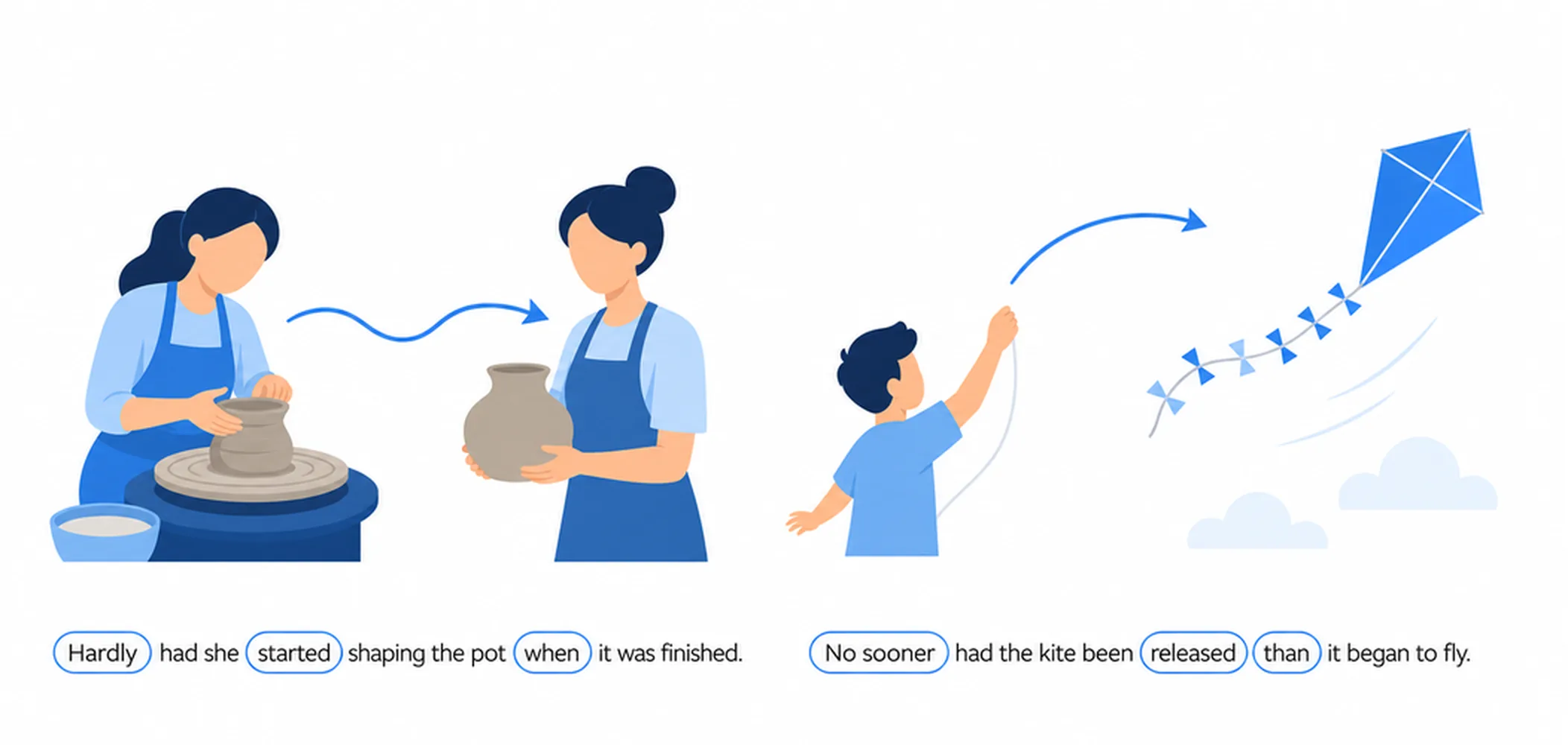
Inversion means putting the auxiliary verb before the subject. When we use hardly, scarcely, or no sooner at the beginning of a sentence, we must invert the subject and auxiliary verb. This happens because these words are negative or semi-negative adverbs that create emphasis or formality. This structure is common in written English and formal speech, especially in storytelling.
Why Do We Use Inversion?
Inversion with these adverbs makes sentences more dramatic and emphasizes the speed or surprise of an action. Instead of saying 'We had hardly finished our work,' we say 'Hardly had we finished our work,' which sounds more dramatic. This structure also gives the sentence a more formal, literary tone. It is very useful when telling stories or describing unexpected events.
The Pattern
The basic formula is: Negative Adverb + Auxiliary Verb + Subject + Main Verb + Rest of Sentence.
Common Uses and Structures
The three main adverbs used for inversion are: (1) Hardly - means 'almost not' or 'barely'; (2) Scarcely - very similar to hardly, meaning 'almost not'; (3) No sooner - used to show that one thing happened immediately after another. All three need an auxiliary verb (had, has, had been, etc.) for inversion to work. Without an auxiliary verb, you cannot use inversion.
Hardly vs Scarcely vs No Sooner: Key Differences
| Feature | HARDLY | SCARCELY | NO SOONER |
|---|---|---|---|
| Form | Hardly + had + subject + past participle + when/before + past simple | Scarcely + had + subject + past participle + when/before + past simple | No sooner + had + subject + past participle + than + past simple |
| Core Meaning | Almost not; the first event had only just occurred when the second followed immediately | Almost not; nearly identical in meaning to hardly, but slightly more formal and literary in tone | Not any sooner; emphasises the extreme immediacy and speed with which the second event followed the first |
| Paired Conjunction | when or before (never "than") |
when or before (never "than") |
than (never "when" or "before") |
| Register / Style | Formal written and spoken English; common in literary and academic contexts | Highly formal; more frequent in literary prose and old-fashioned writing than in everyday speech | Formal; frequently used in narrative writing, journalism, and advanced academic English |
| Inverted Word Order Rule | Place hardly at the start → auxiliary (had) moves before the subject → subject → past participle | Place scarcely at the start → auxiliary (had) moves before the subject → subject → past participle | Place no sooner at the start → auxiliary (had) moves before the subject → subject → past participle |
| Standard (Non-inverted) Form | She had hardly sat down when the phone rang. | He had scarcely fallen asleep when the alarm went off. | They had no sooner arrived than it started to rain. |
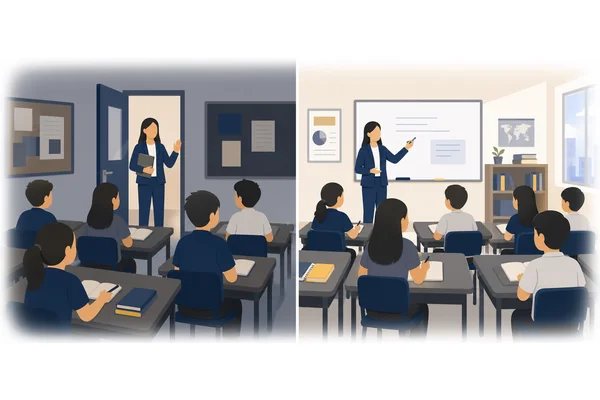
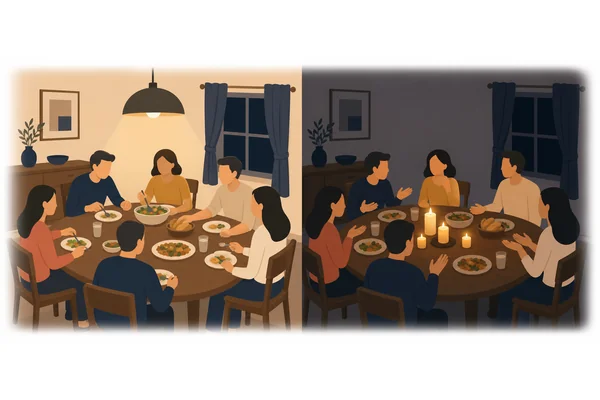
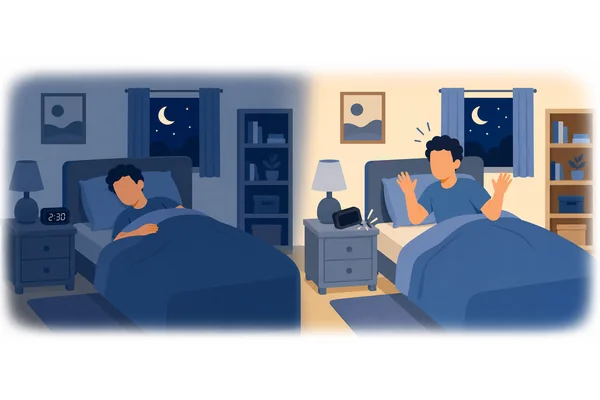
| Inverted Form (with Inversion) | Hardly had she sat down when the phone rang. | Scarcely had he fallen asleep when the alarm went off. | No sooner had they arrived than it started to rain. |
| Additional Example 1 | Hardly had the match begun before the first goal was scored. | Scarcely had the doors opened before the crowd rushed in. | No sooner had she spoken than she regretted her words. |
| Additional Example 2 | Hardly had we unpacked when we were called back to the office. | Scarcely had the ink dried when the document was revised again. | No sooner had the sun set than the temperature dropped sharply. |
| Common Learner Errors | ❌ Hardly she had left when… ✅ Hardly had she left when… ❌ Using than after hardly |
❌ Scarcely she had finished before… ✅ Scarcely had she finished before… ❌ Using than after scarcely |
❌ No sooner had he left when… ✅ No sooner had he left than… ❌ Using when or before after no sooner |
| Key Signal Words | hardly … when, hardly … before | scarcely … when, scarcely … before | no sooner … than |
| Tense Pattern Used | Past perfect in the first clause; past simple in the second clause | Past perfect in the first clause; past simple in the second clause | Past perfect in the first clause; past simple in the second clause |
| 🔑 Key Difference: Hardly and scarcely are nearly interchangeable in meaning (both mean "almost not / only just") and both pair with when or before; scarcely tends to sound slightly more literary or old-fashioned. No sooner, by contrast, stresses the sheer immediacy and speed of the sequence of events more strongly, and it is the only one of the three that must be followed by than — never by when or before. All three trigger the same inverted word order: the auxiliary had moves in front of the subject when the negative adverbial opens the sentence. | |||
Examples



What to Remember
- Use inversion (auxiliary before subject) when hardly, scarcely, or no sooner start a sentence.
- Hardly had she arrived when the phone rang—this is the correct inverted structure.
- These negative adverbs create emphasis and formality, making sentences more dramatic and expressive.
- Don't forget the auxiliary verb; inversion requires both the auxiliary and subject swap.
- This structure is especially common in written English and formal storytelling contexts.