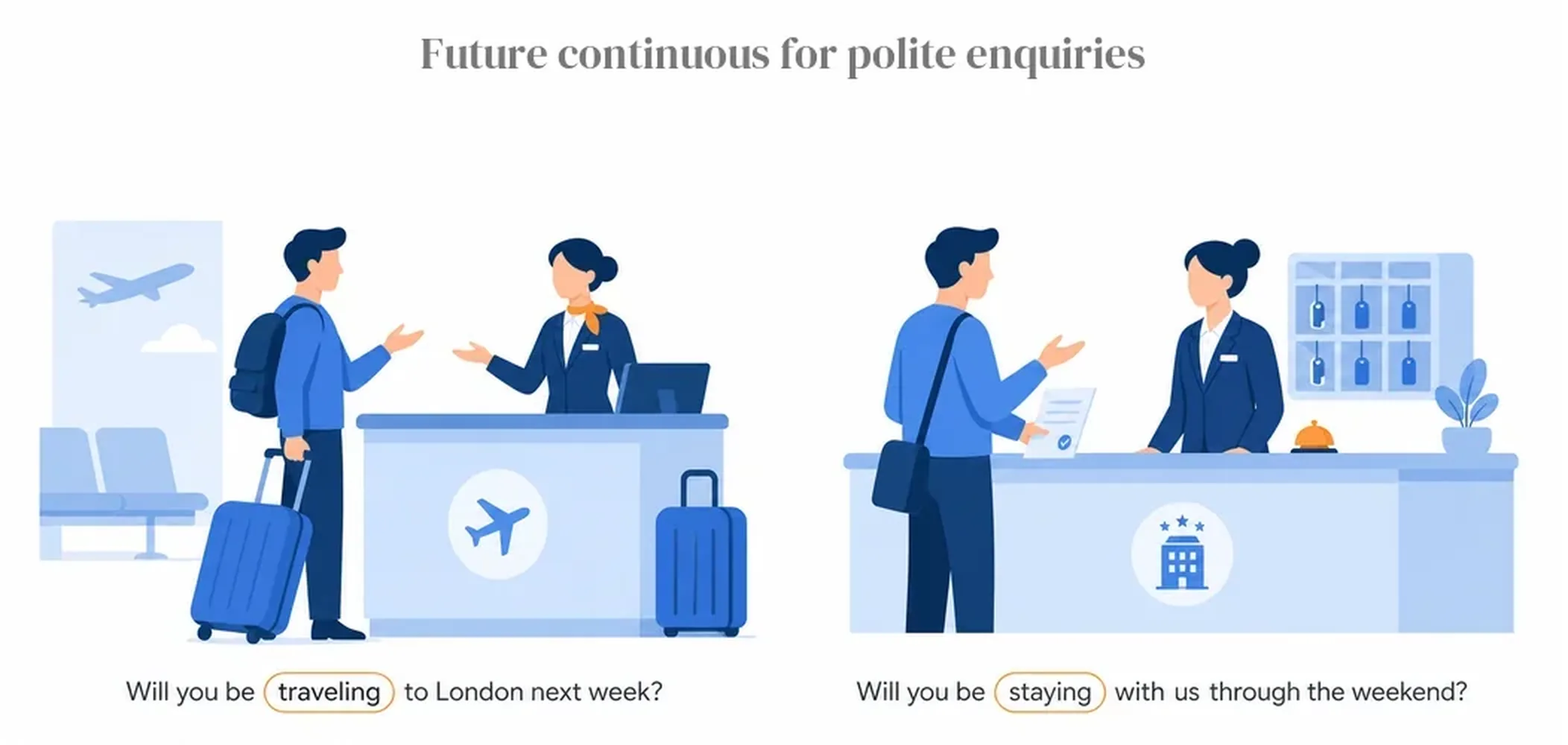
What is the Future Continuous for Polite Enquiries?
The future continuous tense (will be + -ing) is commonly used to make polite enquiries about someone's plans or activities. Instead of directly asking 'What are you doing?', we can ask 'Will you be doing something?' This approach sounds more considerate and less intrusive, especially in professional or formal contexts. The future continuous softens the question by acknowledging that the listener may already be busy or have plans.

Why Use It for Politeness?
Using the future continuous makes enquiries feel less demanding or abrupt. It assumes the other person is already occupied and frames your question as a gentle enquiry about their existing schedule, rather than making a direct demand on their time. This is particularly useful in workplace communication, social situations, and whenever you want to appear respectful and considerate of someone else's autonomy and commitments.
Common Structures and Patterns
Typical polite enquiries use the structure: 'Will you be + -ing...?' or 'Will [person] be + -ing...?' Often, these questions are followed by time expressions like 'this evening', 'next week', or 'when you get home'. You might also use it to offer help: 'Will you be needing any assistance?' or to check availability: 'Will you be free tomorrow?' The tone is always one of gentle enquiry rather than obligation.
Polite vs Direct: How the Future Continuous Changes the Tone
| Category | Direct Question Forms (Simple Present / Will + Base Verb) |
Polite Future Continuous (Will + Be + Verb-ing) |
|---|---|---|
| Form |
Simple Present: Subject + base verb (+ s/es) e.g. Do you need…? / Does she want…? Will + Base Verb: Will + subject + base verb e.g. Will you help…? / Will he attend…? |
Will + Be + Verb-ing: Subject + will + be + present participle (-ing) e.g. Will you be needing…? / Will she be attending…? |
| When to Use | Used in everyday, neutral, or informal situations. Suitable between friends, family, or in casual work settings. Can sound abrupt or demanding in formal or service contexts. | Used when you want to sound polite, considerate, or non-imposing — especially in professional, service, or formal social settings. Implies the action is already anticipated as a natural course of events, reducing pressure on the listener. |
| Positive Example |
"I will bring the documents tomorrow." "She needs a hand with the luggage." "We want to book a table for two." |
"I will be bringing the documents tomorrow." "She will be needing a hand with the luggage." "We will be looking for a table for two." |
| Negative Example |
"I won't need any help." "He doesn't want dessert." "They won't stay for dinner." |
"I won't be needing any help." "He won't be having dessert." "They won't be staying for dinner." |
| Question Example |
"Do you need anything else?" (neutral/informal) "Will you pay by card?" (direct) "Do you want more coffee?" (casual) |
"Will you be needing anything else?" (polite/formal) "Will you be paying by card?" (service industry) "Will you be having more coffee?" (considerate) |
| Key Signal Words / Phrases |
do, does, did, will, want, need, have, like Often paired with: now, today, later, tonight, tomorrow |
will be + -ing Often paired with: later, tomorrow, soon, this evening, at that time, over the next few days |
| Tone & Register | Neutral to direct. Can sometimes feel blunt, pushy, or demanding, particularly when used in questions directed at customers, guests, or superiors. | Polite, soft, and considerate. Frames the action as already in progress or naturally anticipated, making the enquiry feel less like a demand and more like a gentle check-in. |
| Common Contexts | Everyday conversation, text messages, casual emails, between close colleagues or friends, quick factual exchanges. | Hotels, restaurants, airlines, customer service, formal emails, professional meetings, speaking with clients or senior colleagues. |
| 🔑 Key Difference: The shift from a direct form (Will you pay…? / Do you need…?) to the future continuous (Will you be paying…? / Will you be needing…?) is not about changing the meaning of the action — it is entirely about changing the tone and social register. The future continuous implies that the speaker views the listener's action as a natural, already-expected part of events, which removes any sense of imposition or demand. This makes it the preferred structure for polite enquiries in professional and service contexts, where maintaining courtesy and making the listener feel comfortable is essential. | ||
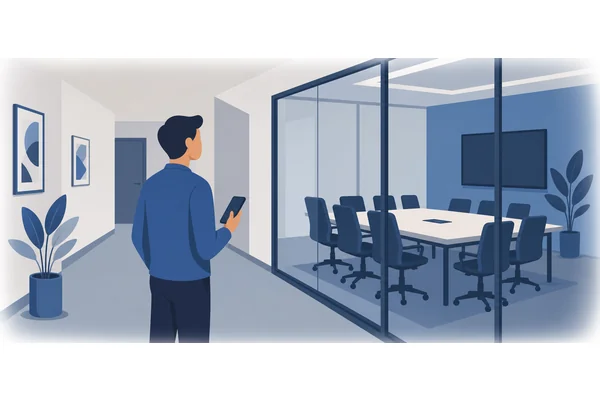
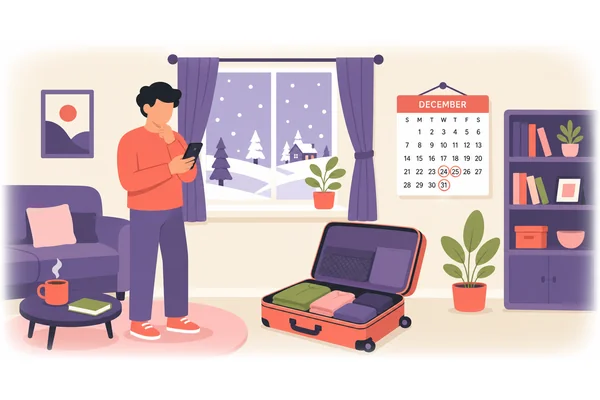
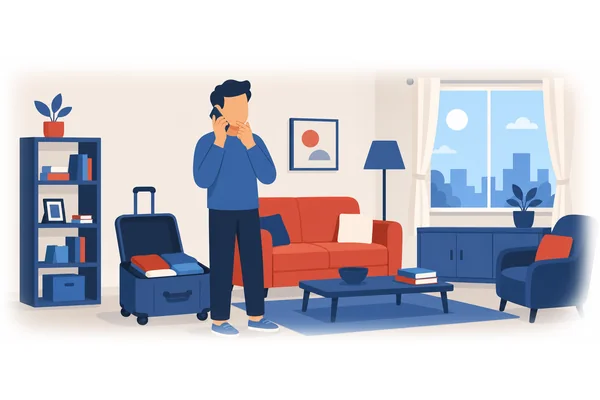
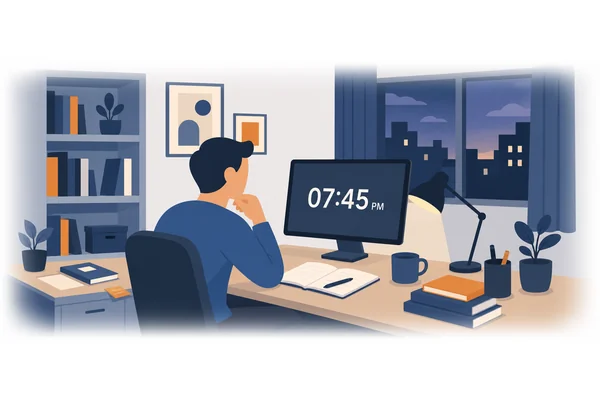
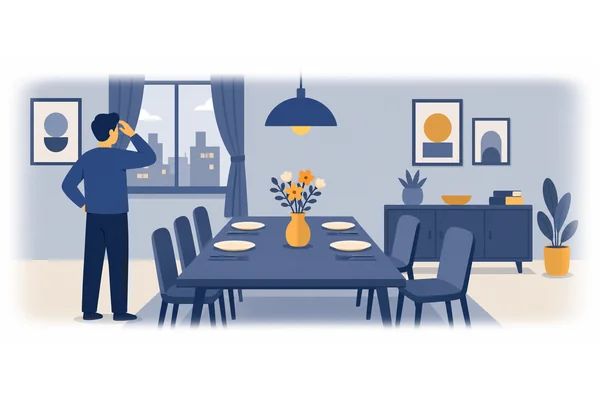
Examples

What to Remember
- Use will be + -ing to ask polite questions about someone's future plans or activities.
- The future continuous softens enquiries by sounding more considerate and less direct than simple present tense.
- This structure acknowledges the listener may already be busy, making it feel less demanding or intrusive.
- In formal or professional contexts, "Will you be attending?" sounds more polite than "Are you attending?"
- Avoid using simple future (will + base verb) for polite enquiries as it sounds more direct and demanding.