Grammar C1 Future Perfect Continuous

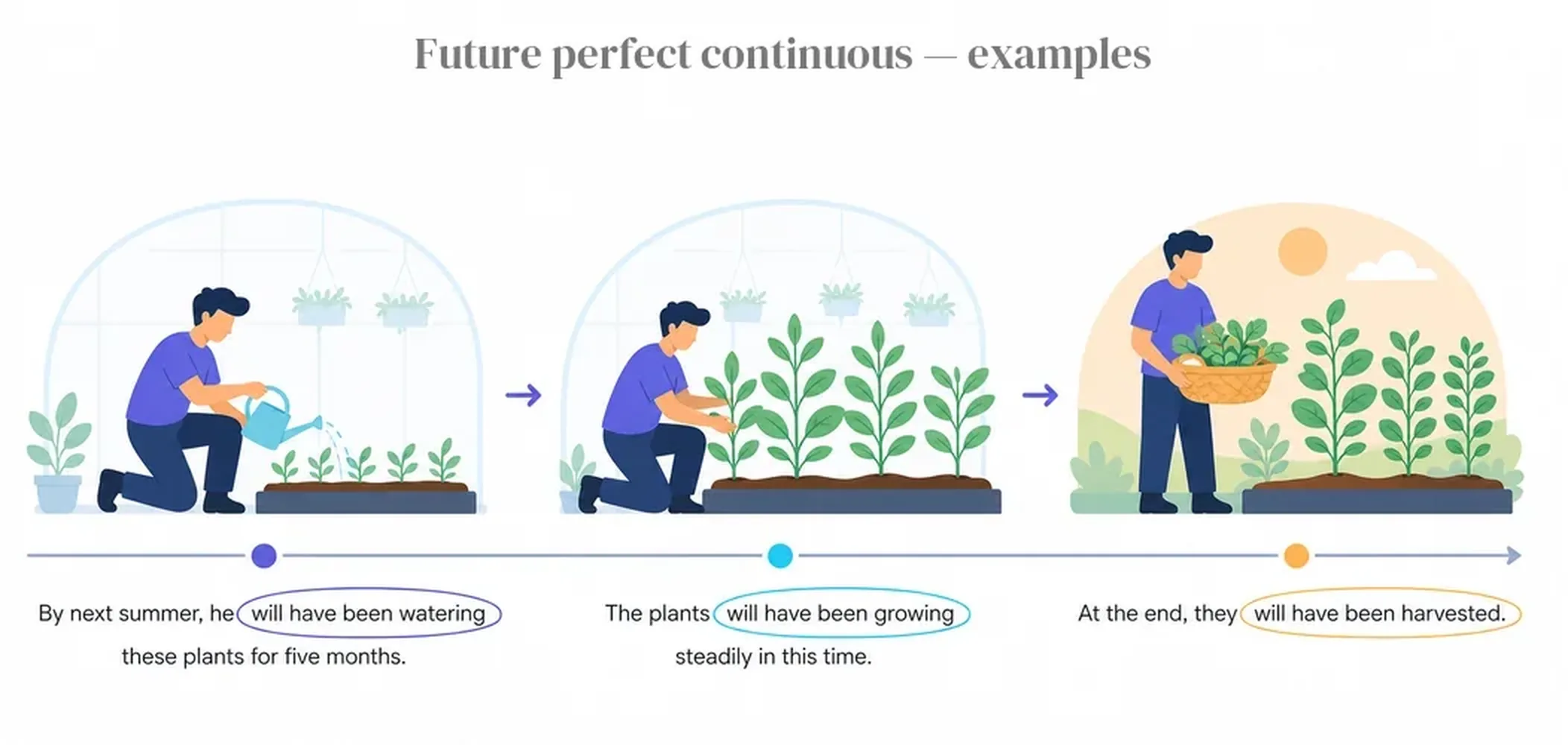
Future perfect continuous — examples

Future perfect continuous — examples

What is the Future Perfect Continuous?

The future perfect continuous tense expresses an action that will have been ongoing up to a specific point in the future. It emphasizes both the duration of the action and its continuation until that future moment. This tense bridges the present moment with a future endpoint, highlighting how long something will have been happening. It is particularly useful in professional, academic, and formal contexts where precision about timelines matters.

Where the Future Perfect Continuous sits on the English tense timeline

Where the Future Perfect Continuous sits on the English tense timeline

The future perfect continuous is constructed with will + have + been + present participle (-ing form). The auxiliary 'will have been' establishes the future perfect aspect, while the -ing form indicates continuity. In negations, 'not' follows the first auxiliary (will), and in questions, 'will' moves before the subject. Time expressions such as 'by,' 'by the time,' and 'for' typically accompany this tense to clarify the duration or deadline.

Usage and Context

Use the future perfect continuous to describe professional timelines, project completion expectations, career milestones, or personal goals. It is also valuable for expressing hypothetical situations, providing context about how long an action will have persisted, and creating nuanced narratives about future events. At the C1 level, learners should recognize this tense's subtle distinction from the simple future perfect—the continuous aspect emphasizes duration and ongoing nature, whereas the simple form often focuses on completion or result.

Future Perfect Continuous — Examples

Emphasising duration up to a future moment

By the time she retires, she will have been teaching for over thirty years.

The future perfect continuous highlights the length of an ongoing activity (thirty years of teaching) measured up to a specific future point (retirement).

Next month, the engineers will have been working on this project for two years.

A calendar reference ("next month") anchors the future point; the form stresses the continuous, uninterrupted effort across those two years.

By midnight, the rescue teams will have been searching for survivors for sixteen hours.

Underlines the strain and persistence of an activity by emphasising its duration right up to a precise future deadline.

Explaining a future result or visible effect

When you arrive, we will have been cooking all afternoon — the kitchen will be a mess.

The continuous form implies the cooking is still in progress or only just finished, explaining an expected visible consequence (the messy kitchen).

Don't worry if he looks tired — he will have been travelling for over twenty hours by the time he lands.

Used to predict a physical condition that will be the direct result of a prolonged ongoing activity, reassuring the listener.

Planned or scheduled ongoing activities

By the time the grant is awarded, our lab will have been conducting this research for three years without funding.

Conveys a sense of ongoing commitment that stretches into the future, often used to persuade or to highlight perseverance.

At 3 p.m. tomorrow, the board members will have been negotiating for six hours straight.

A specific future time ("3 p.m. tomorrow") acts as the reference point; the form stresses the unbroken, tiring nature of the scheduled process.

Speculative and rhetorical use

By 2050, humans will have been using social media for roughly half a century.

Used here for a broad, speculative statement about a trend that began in the past, continues now, and will still be ongoing at a distant future point.

She will have been waiting for hours by the time he finally calls — she is going to be furious.

The future perfect continuous here carries an emotive charge, emphasising anticipated frustration by foregrounding the long, ongoing wait.

Formula
✔ Positive
Subject + will have been + verb-ing + by/by the time + time expression
By next June, she will have been working at the firm for five years.
✖ Negative
Subject + will not have been + verb-ing + by/by the time + time expression
They will not have been living in London by the time the lease expires.
? Question
Will + subject + have been + verb-ing + by/by the time + time expression?
Will you have been studying Russian for two years by the end of this course?

Examples

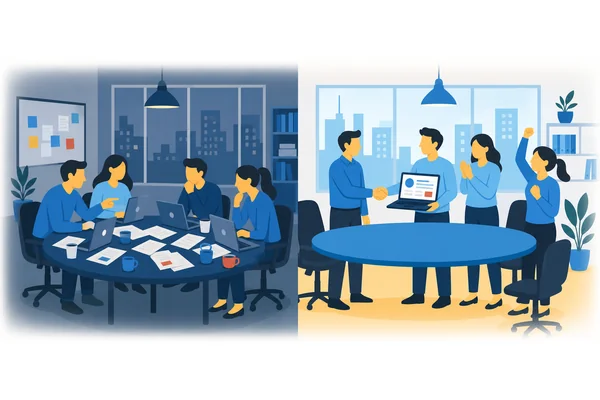
By the time the conference concludes next week, our team will have been collaborating on this project for eighteen months.
Professional context · Duration emphasis
team starts collaborating on the project conference concludes next week
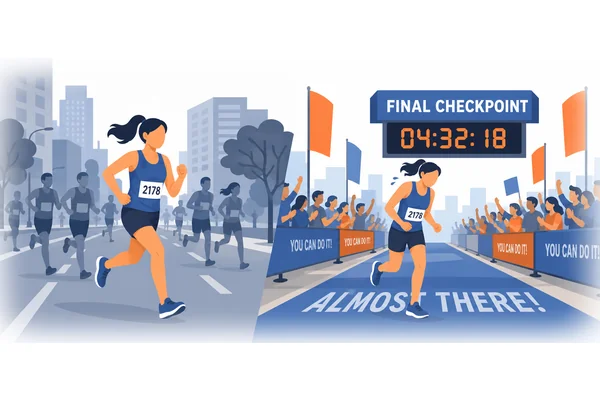
She will have been running the marathon for over three hours by the time she reaches the final checkpoint.
Sports/physical activity · Specific endpoint
She starts running the marathon She reaches the final checkpoint
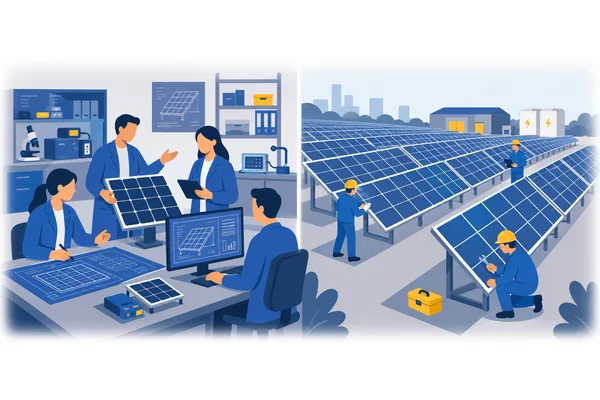
By 2030, renewable energy companies will have been developing solar technology for decades.
Technology/future projection · Long-term perspective
renewable energy companies start developing solar technology year 2030 arrives
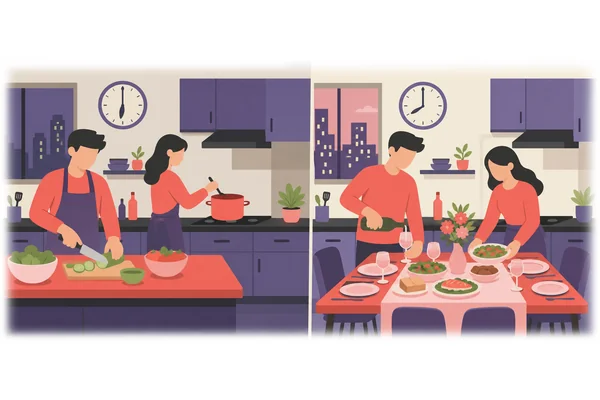
If you arrive at 8 PM, we will have been preparing dinner for two hours.
Conditional future scenario · Specific duration
we start preparing dinner you arrive at 8 PM
The research team will not have been investigating this phenomenon for long enough to draw definitive conclusions by autumn.
Academic context · Negative form with duration
research team investigates the phenomenon autumn arrives
By the time your child graduates, you will have been supporting their education financially for nearly two decades.
Personal/family context · Long-term financial commitment
supporting child's education financially for nearly two decades when child graduates
When to use it
Professional Timelines
Express how long an employee will have been in a role, how long a project will have been underway, or career milestones achieved by a future date.
"By the time the merger completes, our department will have been integrating systems for six months."
Academic Progress
Describe the duration of study, research projects, or learning by a future graduation date or deadline.
"By graduation, students will have been conducting fieldwork for a full academic year."
Personal Goals & Sports
Indicate how long someone will have been training, practicing, or pursuing a goal by a specific event or date.
"By the Olympics, she will have been competing at international level for over a decade."
Scientific & Research Contexts
Express the duration of experiments, observations, or data collection by a future milestone or publication date.
"By peer review, the team will have been monitoring climate patterns for five consecutive seasons."
Hypothetical Future Scenarios
Explore 'what if' situations involving ongoing actions at a future point, useful in strategic planning or storytelling.
"If the company maintains current growth rates, it will have been operating globally for twenty years by 2045."
Signal words
by by the time by then by next week/month/year for in when before
Common Mistakes
Wrong
By next month, I will be working here for a year.
Correct
By next month, I will have been working here for a year.
The simple future continuous does not indicate completion; use future perfect continuous for actions completed by a future time.
Wrong
They will have been studying when you arrive.
Correct
They will have been studying by the time you arrive.
When indicating a deadline or specific future moment, use 'by' or 'by the time,' not just 'when.'
Wrong
She will have been lived in Paris for five years by next summer.
Correct
She will have been living in Paris for five years by next summer.
The verb must be in present participle form (-ing), not past participle.
Wrong
Will he have been finishing the report by Friday?
Correct
Will he have been working on the report by Friday?
Use continuous verbs; 'finishing' is too specific for this tense, which emphasizes ongoing action, not completion.
KEY TAKEAWAYS

What to Remember

  • The future perfect continuous shows an action continuing up to a specific future point.
  • Form it with "will have been" plus the present participle (-ing form) of the verb.
  • Use it to emphasize duration and continuation, not just completion, of future actions.
  • Pair it with time expressions indicating the future endpoint, like "by next year."
  • Don't confuse it with future perfect; this tense stresses the ongoing duration, not just completion.
← Previous
How to form the future perfect continuous
Next →
Future perfect continuous vs future perfect