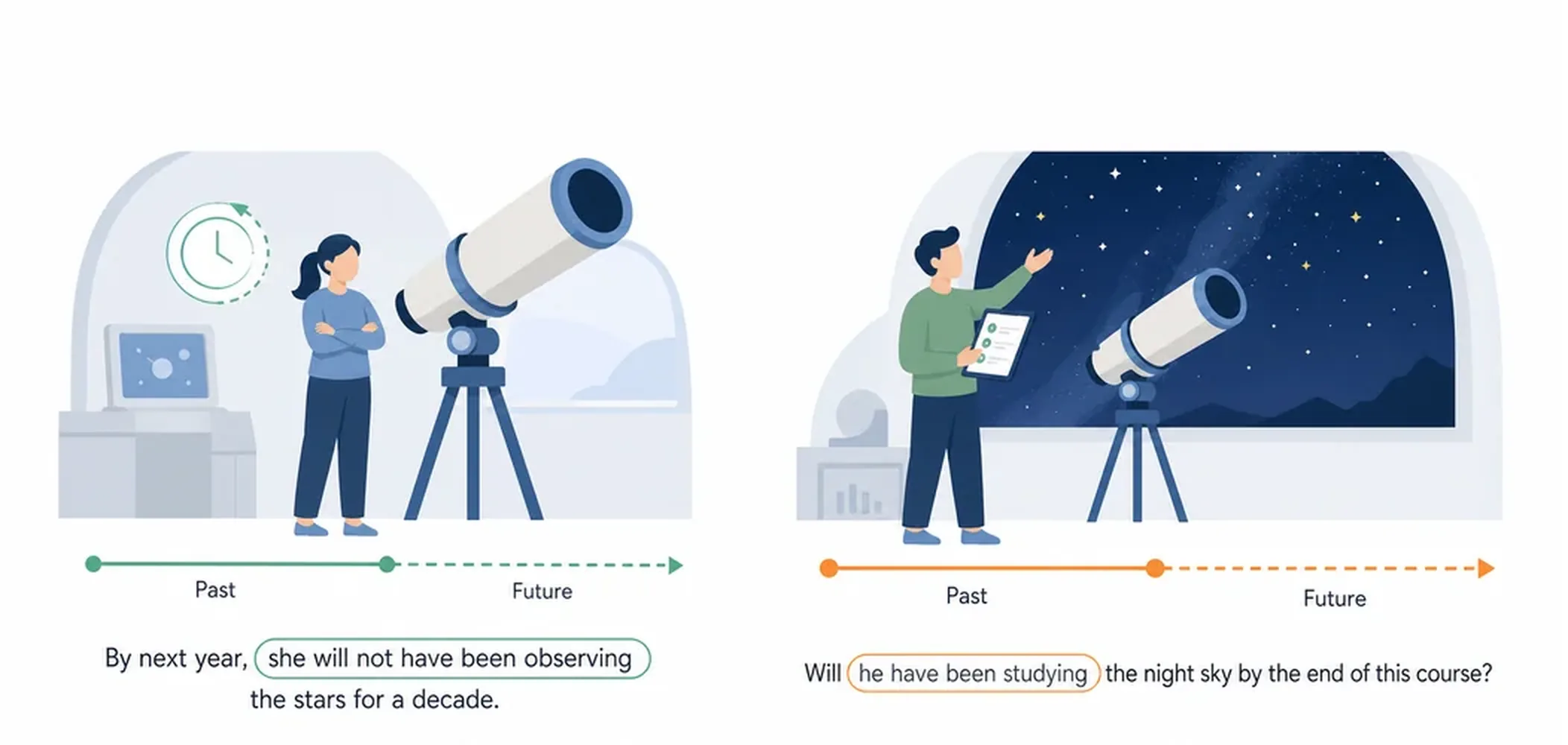
Introduction to Future Perfect Continuous Negatives & Questions
The future perfect continuous expresses actions that will be ongoing up to a specific point in the future. Forming negatives and questions requires precise auxiliary verb placement and contraction patterns. At C1 level, accuracy in these constructions is essential for expressing complex temporal relationships and seeking clarification about future durations.

Negative & Question Forms at a Glance
| Pronoun | Positive | Negative (Full / Contracted) | Question / Short Answer |
|---|---|---|---|
| I | I will have been working |
I will not have been working I won't have been working |
Will I have been working? Yes, I will. / No, I won't. |
| you (singular) | you will have been working |
you will not have been working you won't have been working |
Will you have been working? Yes, you will. / No, you won't. |
| he / she / it | he/she/it will have been working |
he/she/it will not have been working he/she/it won't have been working |
Will he/she/it have been working? Yes, he/she/it will. / No, he/she/it won't. |
| we | we will have been working |
we will not have been working we won't have been working |
Will we have been working? Yes, we will. / No, we won't. |
| you (plural) | you will have been working |
you will not have been working you won't have been working |
Will you have been working? Yes, you will. / No, you won't. |
| they | they will have been working |
they will not have been working they won't have been working |
Will they have been working? Yes, they will. / No, they won't. |
Notes:
|
|||
Formula
✖ Negative
Subject
+
will
+
not
+
have
+
been
+
verb-ing
+
by/for + time
She will not have been working on this project for more than six months by the time the deadline arrives.
? Question
Will
+
subject
+
have
+
been
+
verb-ing
+
by/for + time
+
?
Will you have been studying English for ten years by the time you take the exam?
Examples
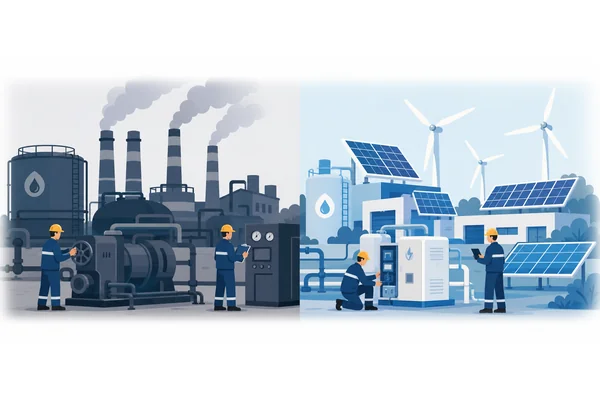
By 2030, we will not have been using fossil fuels for energy in our facility.
Environmental commitment · Negative statement
①stop using fossil fuels for energy
→
②year 2030

Will she have been leading the department for fifteen years when she retires?
Professional context · Yes/no question
①she leads the department for fifteen years
→
②when she retires

They will not have been receiving government subsidies by the end of the fiscal year.
Economic policy · Negative statement
①receiving government subsidies
→
②end of the fiscal year
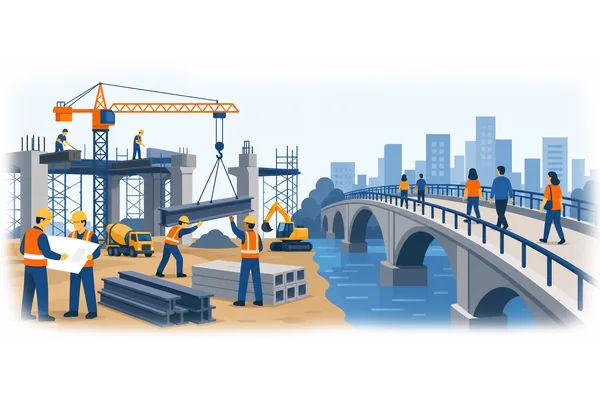
How long will the construction crew have been working on the bridge before completion?
Infrastructure project · Wh-question
①construction crew working on the bridge
→
②bridge completion

She won't have been managing that team for more than three years by her promotion date.
Business scenario · Contracted negative
①She manages that team
→
②Her promotion date arrives

Will you have been researching this phenomenon long enough to publish your findings?
Academic inquiry · Yes/no question
①researching the phenomenon
→
②time to publish findings
When to use it
Scientific Research
Discussing the duration of experimental observations or studies up to a future milestone.
"Will they have been monitoring the data for sufficient time to draw reliable conclusions by publication?"
Project Management
Clarifying how long teams will have been engaged in tasks before project completion.
"How long will the developers have been coding this feature by the release date?"
Long-term Planning
Expressing absence of ongoing actions or conditions over extended future periods.
"We will not have been operating the old facility for more than a decade by the time we close it."
Academic Context
Questioning the adequacy of future study or preparation durations.
"Will you have been studying this subject long enough before the comprehensive exam?"
Signal words
by
by then
by the time
by next year / month / week
in ... years / months
for ... hours / days / weeks
how long
when
Common Mistakes
✕
Wrong
She will have not been working there for five years by 2025.
✓
Correct
She will not have been working there for five years by 2025.
Negation must immediately follow 'will'; 'not' cannot be placed after 'have'. Standard auxiliary negation rules apply.
✕
Wrong
How long will have they been living here by next summer?
✓
Correct
How long will they have been living here by next summer?
Question word order requires subject to follow the first auxiliary 'will', not after 'have'. Inverted word order is will + subject + have + been + verb-ing.
KEY TAKEAWAYS
What to Remember
- Use will + have + been + -ing to form affirmative future perfect continuous statements about ongoing actions.
- In negatives, place not after will: will not have been + -ing, or use won't.
- Form questions by inverting will to the front: will + subject + have + been + -ing?
- For short answers, use will/won't have been without repeating the main verb's -ing form.
- Avoid common mistakes: don't use shall for future perfect continuous or omit been in the structure.