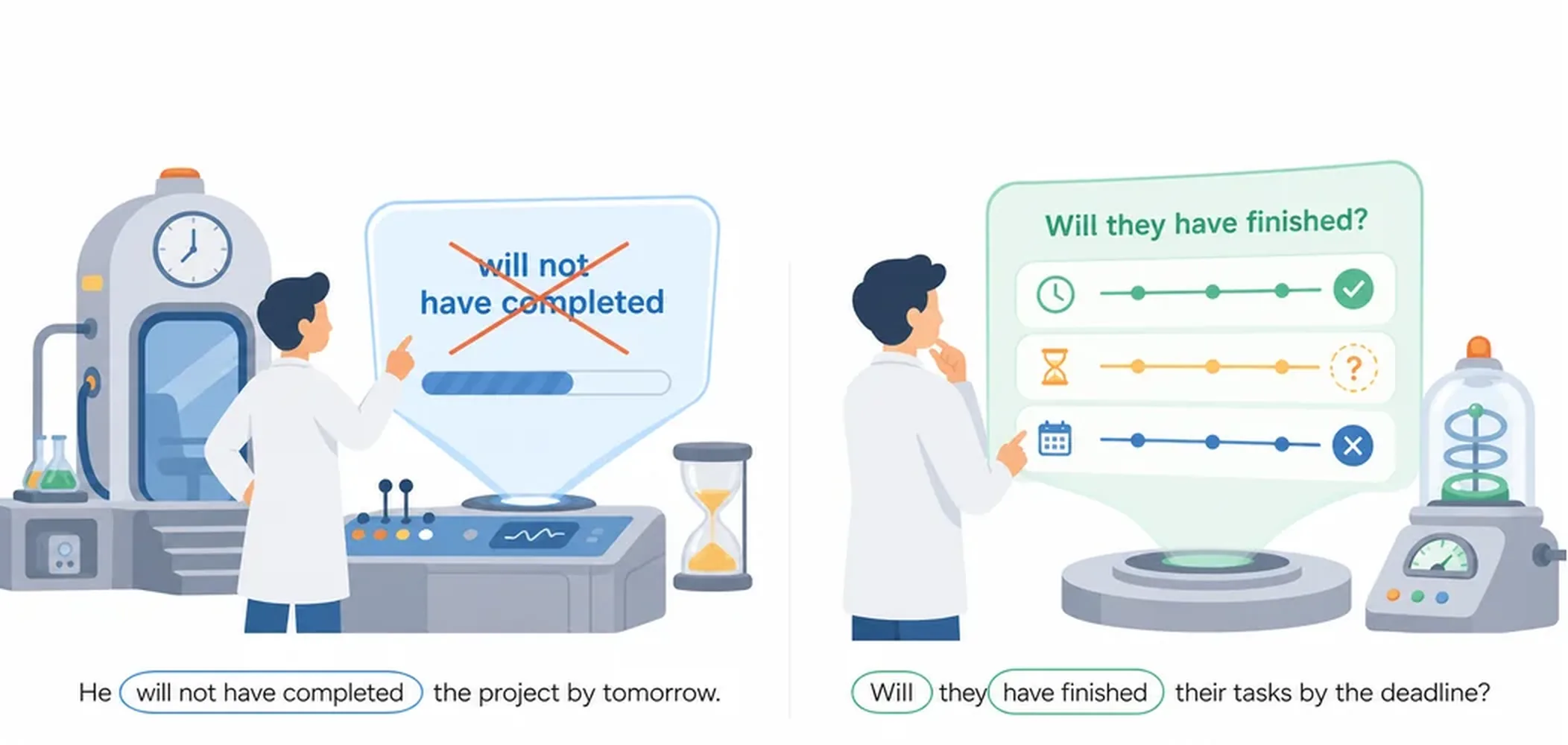
Future Perfect: Negatives and Questions
The future perfect negative and question forms allow you to express uncertainty, prohibition, or enquiry about completed actions in the future. While the affirmative form (will have + past participle) is relatively straightforward, negatives and questions require precise auxiliary placement and contraction conventions at the C1 level. This guide covers both standard structures and the nuanced distinctions that distinguish advanced English usage.

Negative and Question Forms at a Glance
| Form Type | Formula | Example |
|---|---|---|
| Affirmative | Subject + will + have + past participle | She will have finished the report by Friday. |
| Negative | Subject + will not / won't + have + past participle | They won't have arrived by noon. |
| Yes / No Question | Will + subject + have + past participle + ? | Will you have eaten dinner before the show starts? |
Examples

She won't have arrived by the time the meeting starts.
Negative · Future perfect · Anticipated lateness
①She arrives at the meeting
→
②The meeting starts
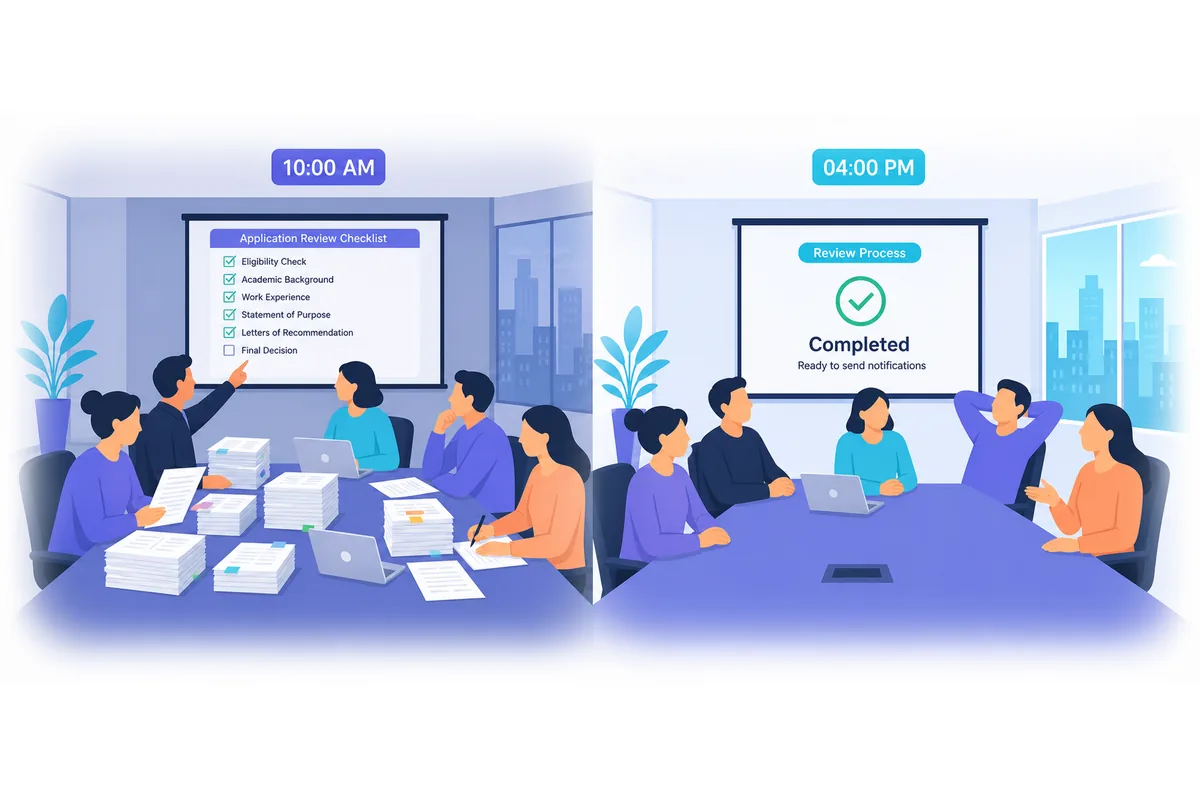
Will the committee have reviewed all applications before sending notifications?
Yes/No question · Future perfect · Process verification
①committee reviews all applications
→
②sending notifications
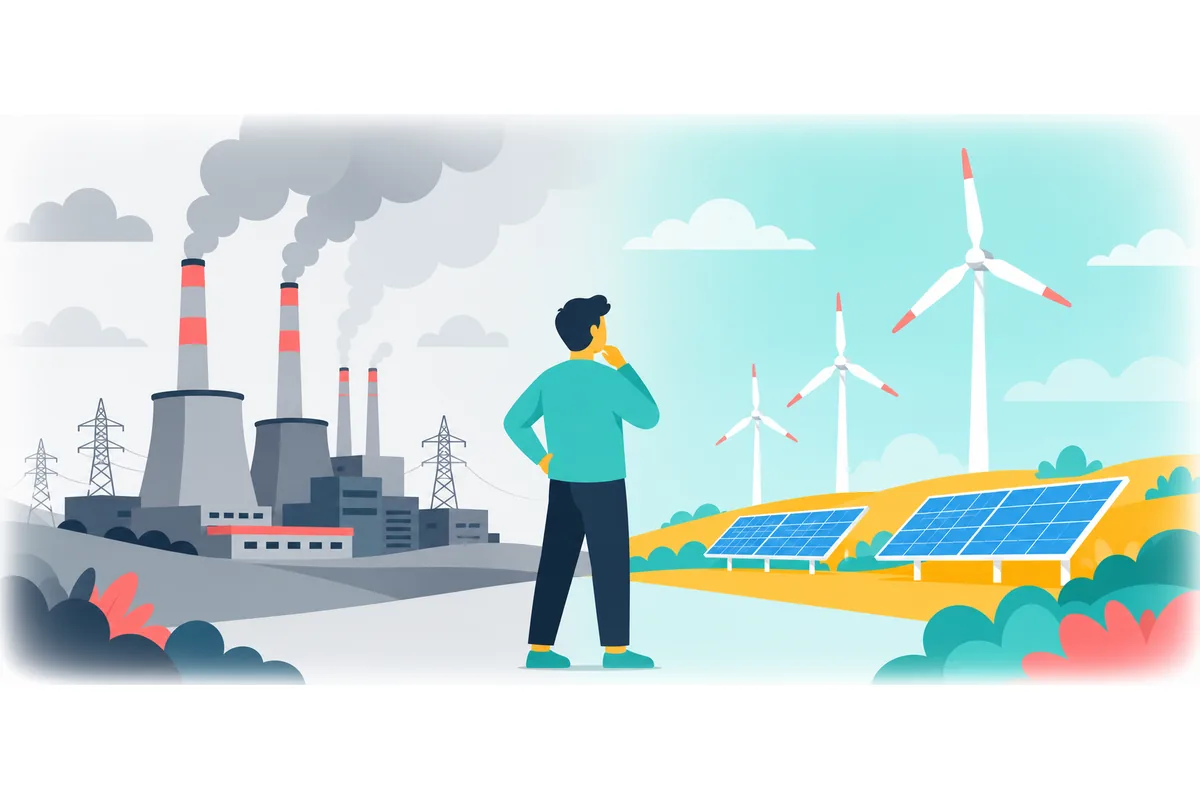
By 2030, renewable energy will not have displaced fossil fuels entirely.
Formal negative · Future perfect · Logical speculation
①renewable energy displaces fossil fuels entirely
→
②by 2030

What will have influenced your decision to relocate abroad?
Wh- question · Future perfect · Cause inquiry
①something influences your decision to relocate
→
②you relocate abroad
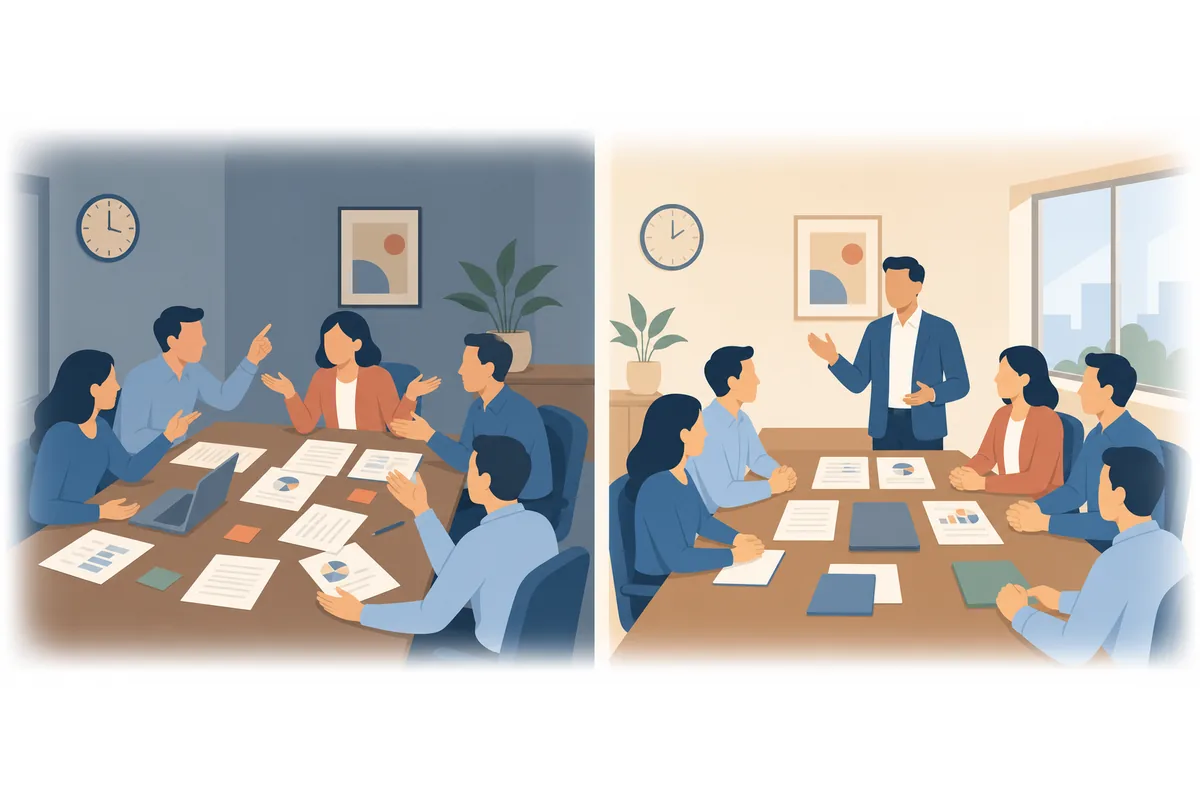
They won't have resolved the dispute unless external mediation intervenes.
Conditional negative · Future perfect · Hypothetical outcome
①external mediation intervenes
→
②they resolve the dispute
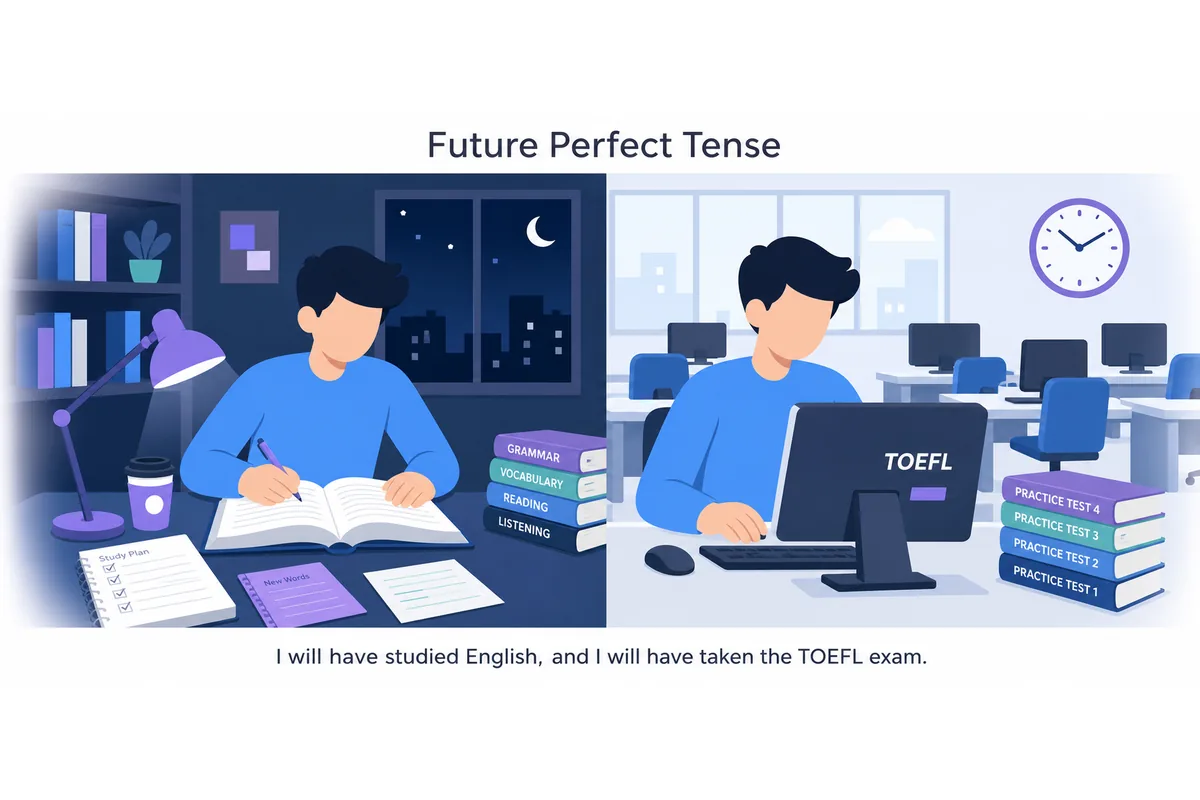
How long will you have been studying English by the time you take the TOEFL?
Wh- question · Future perfect continuous · Duration query
①studying English from now until TOEFL
→
②time you take the TOEFL
When to use it
Verifying Completion
Use yes/no questions to confirm whether someone will finish a task by a certain time.
"Will you have submitted the report before the client meeting?"
Expressing Limitations
Use negatives to state what will not be accomplished within a given timeframe.
"We won't have recovered the data before the audit deadline."
Investigating Causes
Use wh- questions to inquire about factors affecting future completion.
"What will have prevented them from launching the product on schedule?"
Temporal Speculation
Use negatives to express doubt about whether something will be done by a future point.
"By retirement, she won't have travelled to all seven continents."
Signal words
by
before
by the time
by then
in ... years
within
eventually
never
not
Common Mistakes
✕
Wrong
Will you have finished before I will arrive?
✓
Correct
Will you have finished before I arrive?
Time clauses with 'before' use simple present, not future tense.
✕
Wrong
She won't have completed the thesis by next month, isn't it?
✓
Correct
She won't have completed the thesis by next month, will she?
Question tags after negatives require positive auxiliary (will she, not isn't it).
KEY TAKEAWAYS
What to Remember
- Form negatives with "will not have" or "won't have" + past participle for future perfect negation.
- Invert the auxiliary "will" before the subject to form questions: "Will you have finished by then?"
- Use "will not have" in full form for emphasis; "won't have" is the standard contraction in speech.
- In tag questions, match the auxiliary: "You'll have arrived by noon, won't you?" not "will you?"
- Avoid placing "not" after the past participle; it must follow the first auxiliary in the structure.