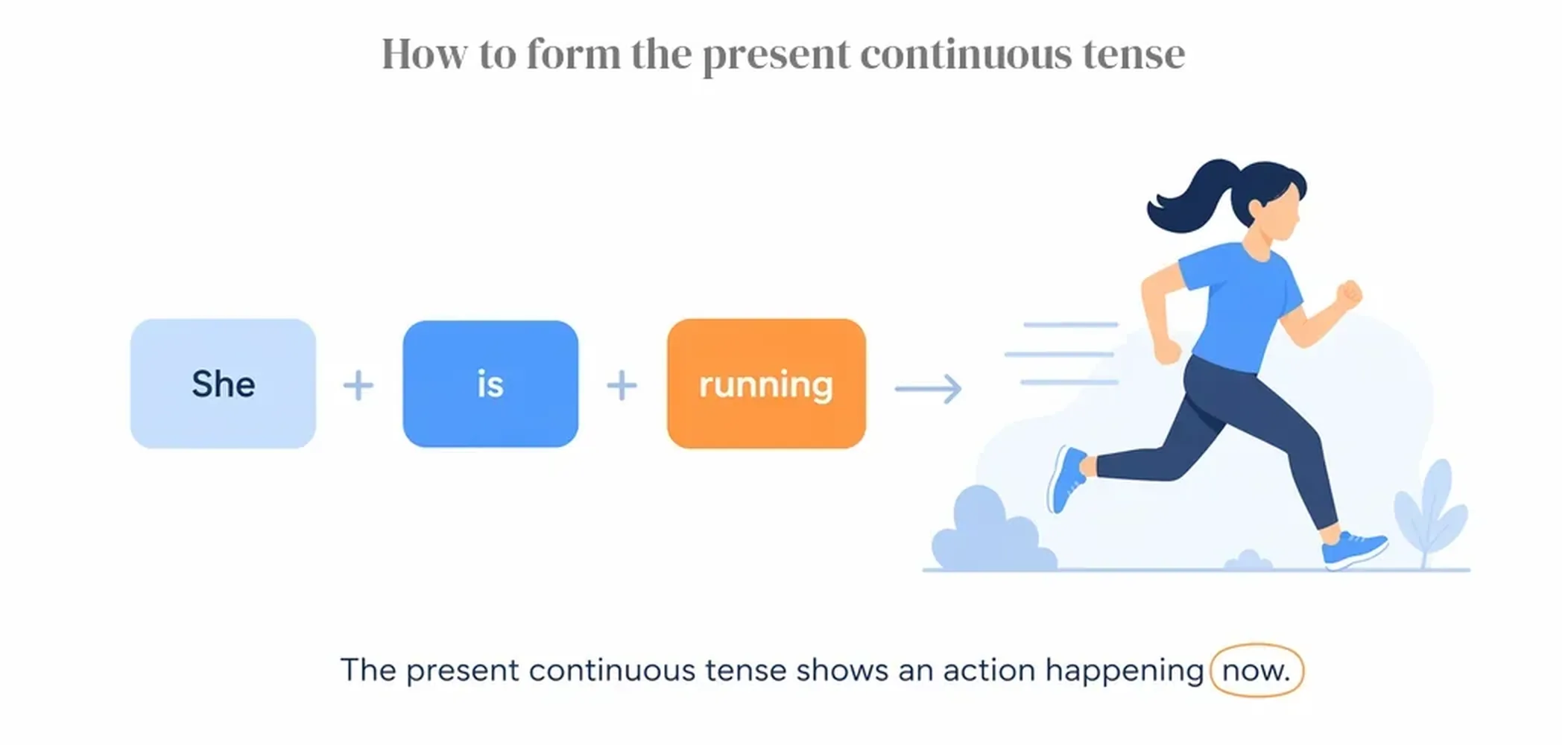
What is the Present Continuous Tense?
The present continuous tense describes actions happening right now or in the present moment. We use it to talk about things that are in progress. To form the present continuous, we use the verb 'be' (am, is, are) + the -ing form of the main verb. This tense is very common in everyday English and is easy to recognize once you know the pattern.

Present Continuous Conjugation Table
| Pronoun | Positive | Negative | Question |
|---|---|---|---|
| I | I am working | I am not working | Am I working? |
| you (singular) | you are working | you are not working | Are you working? |
| he / she / it | he is working | he is not working | Is he working? |
| we | we are working | we are not working | Are we working? |
| you (plural) | you are working | you are not working | Are you working? |
| they | they are working | they are not working | Are they working? |
Notes:
|
|||
Formula
✔ Positive
Subject
+
am/is/are
+
verb + -ing
I am studying for my exam.
✖ Negative
Subject
+
am/is/are
+
not
+
verb + -ing
She is not watching television.
? Question
Am/Is/Are
+
subject
+
verb + -ing
Are you listening to music?
Examples

He is playing football in the park right now.
Present action · Positive form

They are not doing their homework at the moment.
Negative form · Currently false
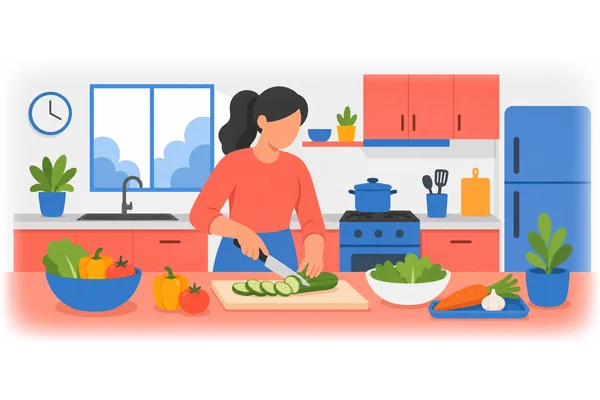
Is she preparing dinner?
Question form · Asking about present action
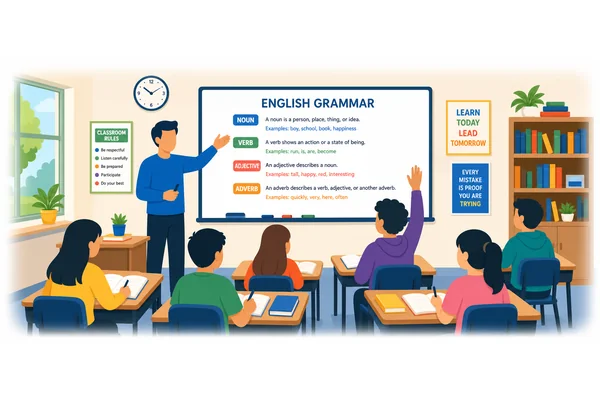
We are learning English grammar today.
Present action · Positive form
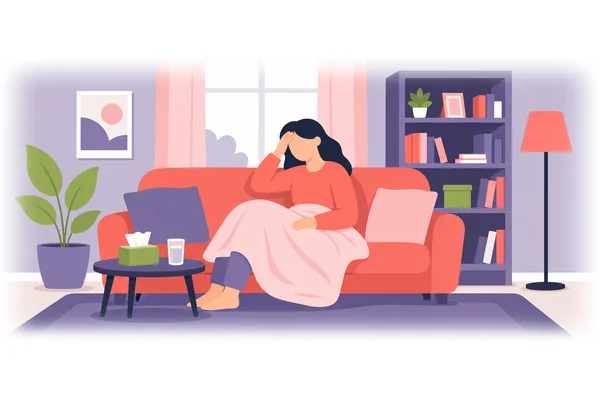
I am not feeling well.
State of being · Negative form
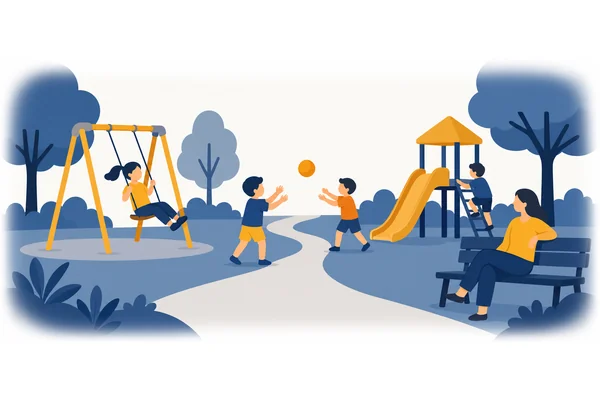
Are the children playing outside?
Question form · Asking about activity
When to use it
Actions Right Now
Use present continuous for actions happening at this exact moment. This is the most common use of the tense.
"Look! The cat is jumping on the sofa."
Temporary Situations
Use it for situations that are happening these days but may not be permanent.
"I am staying with my friend this week."
Planned Future Events
Use present continuous for arrangements or plans that are already decided and scheduled.
"We are meeting the doctor on Friday."
Signal words
now
at the moment
right now
today
these days
currently
this week
Common Mistakes
✕
Wrong
He am studying.
✓
Correct
He is studying.
Use 'is' with 'he', not 'am'. 'Am' is only for 'I'.
✕
Wrong
They are go to school.
✓
Correct
They are going to school.
Add -ing to the main verb. Use 'going', not 'go'.
✕
Wrong
Is she not playing?
✓
Correct
Is she not playing? / Isn't she playing?
Both forms are correct, but 'isn't' is more natural and common in spoken English.
KEY TAKEAWAYS
What to Remember
- Use "be" (am, is, are) plus the -ing form of the main verb to form present continuous.
- Present continuous describes actions happening right now or currently in progress.
- Use "am" with I, "is" with he/she/it, and "are" with you/we/they.
- Add -ing to the main verb: walk becomes walking, run becomes running.
- Don't use the base verb form alone; always include the correct form of "be" first.