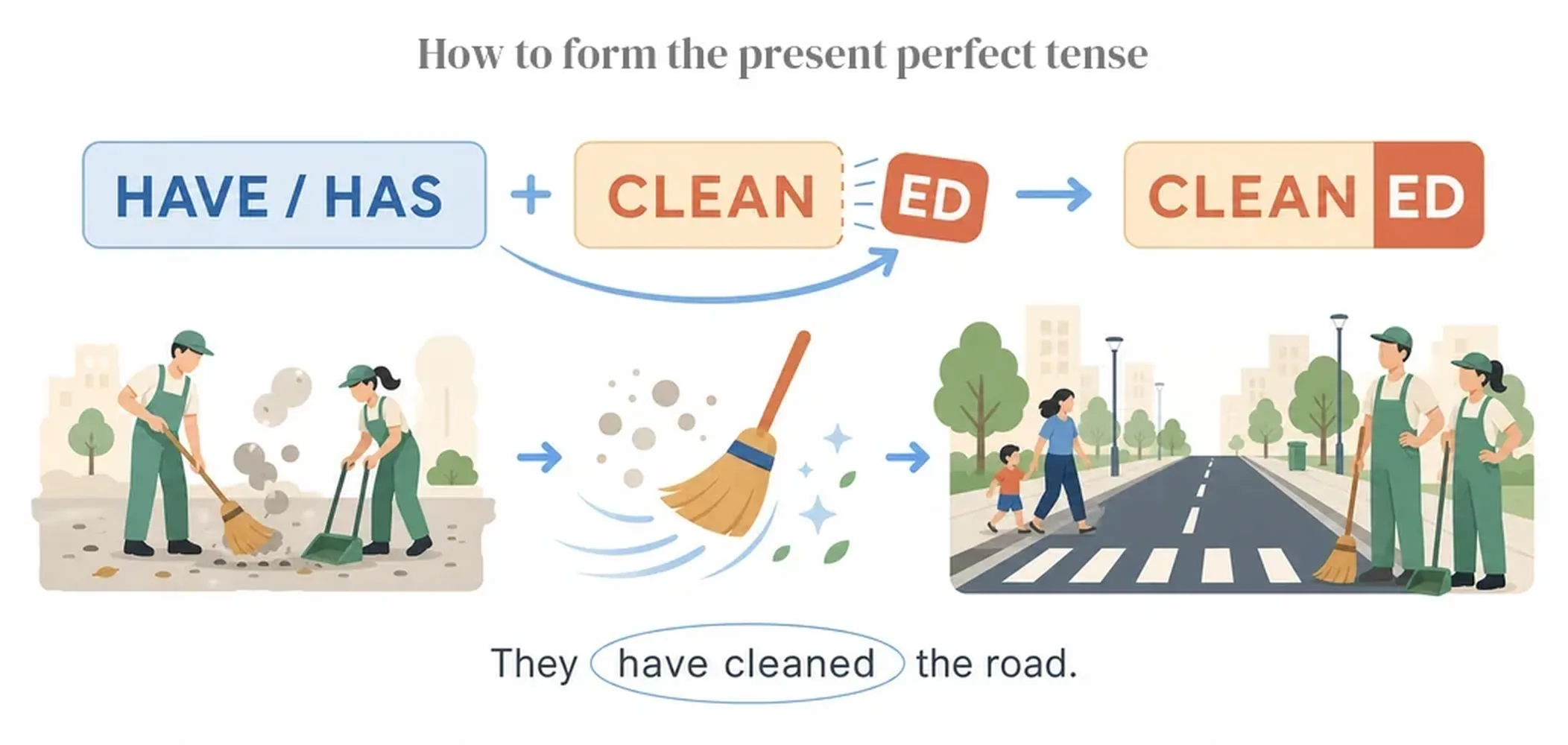
Understanding Present Perfect Formation
The present perfect tense connects the past with the present. It shows actions that started in the past but have a connection to now. To form it, you need two parts: the auxiliary verb 'have' (or 'has') plus the past participle of the main verb. This simple structure lets you talk about experiences, recent events, and situations that continue to the present.

Present Perfect Conjugation Table
| Pronoun | Affirmative | Negative | Question |
|---|---|---|---|
| I | I have worked I've worked |
I have not worked I haven't worked |
Have I worked? |
| you (singular) | you have worked you've worked |
you have not worked you haven't worked |
Have you worked? |
| he / she / it | he has worked he's worked |
he has not worked he hasn't worked |
Has he worked? |
| we | we have worked we've worked |
we have not worked we haven't worked |
Have we worked? |
| you (plural) | you have worked you've worked |
you have not worked you haven't worked |
Have you worked? |
| they | they have worked they've worked |
they have not worked they haven't worked |
Have they worked? |
Important Notes:
|
|||
Formula
✔ Positive
Subject
+
have/has
+
past participle
I have watched that film three times.
✖ Negative
Subject
+
have/has
+
not
+
past participle
She has not finished her homework yet.
? Question
Have/Has
+
subject
+
past participle
Have you ever travelled to Asia?
Examples

I have lived in this city for five years.
Positive form · Duration
①I started living in this city
→
②now, five years later

They have completed the project on time.
Positive form · Recent accomplishment
①They completed the project
→
②Now (result is relevant)

She hasn't called me since Monday.
Negative form · Contraction
①Monday arrived
→
②now, she still hasn't called

Has he arrived at the station yet?
Question form · Asking about completion
①he arrive at the station
→
②now (the moment of speaking)
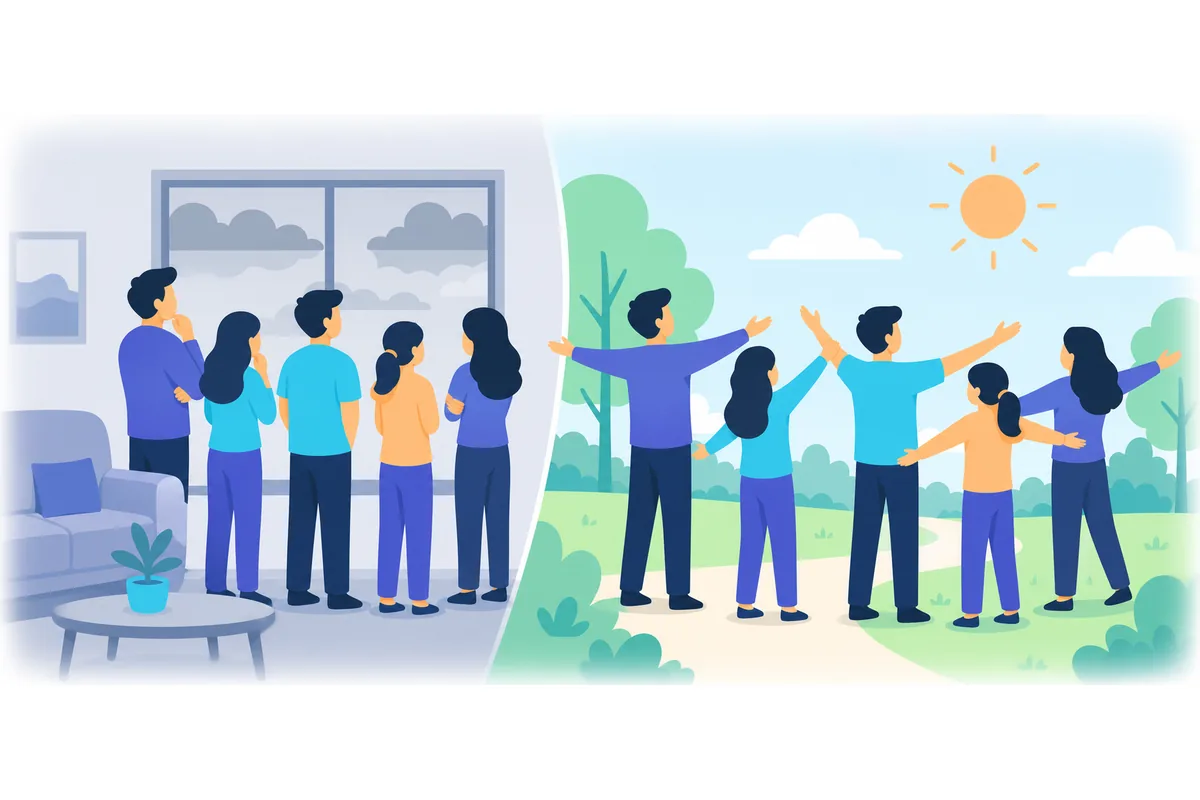
We have never seen such beautiful weather before.
Positive form · Experience
①never seeing such beautiful weather
→
②now / up to this moment
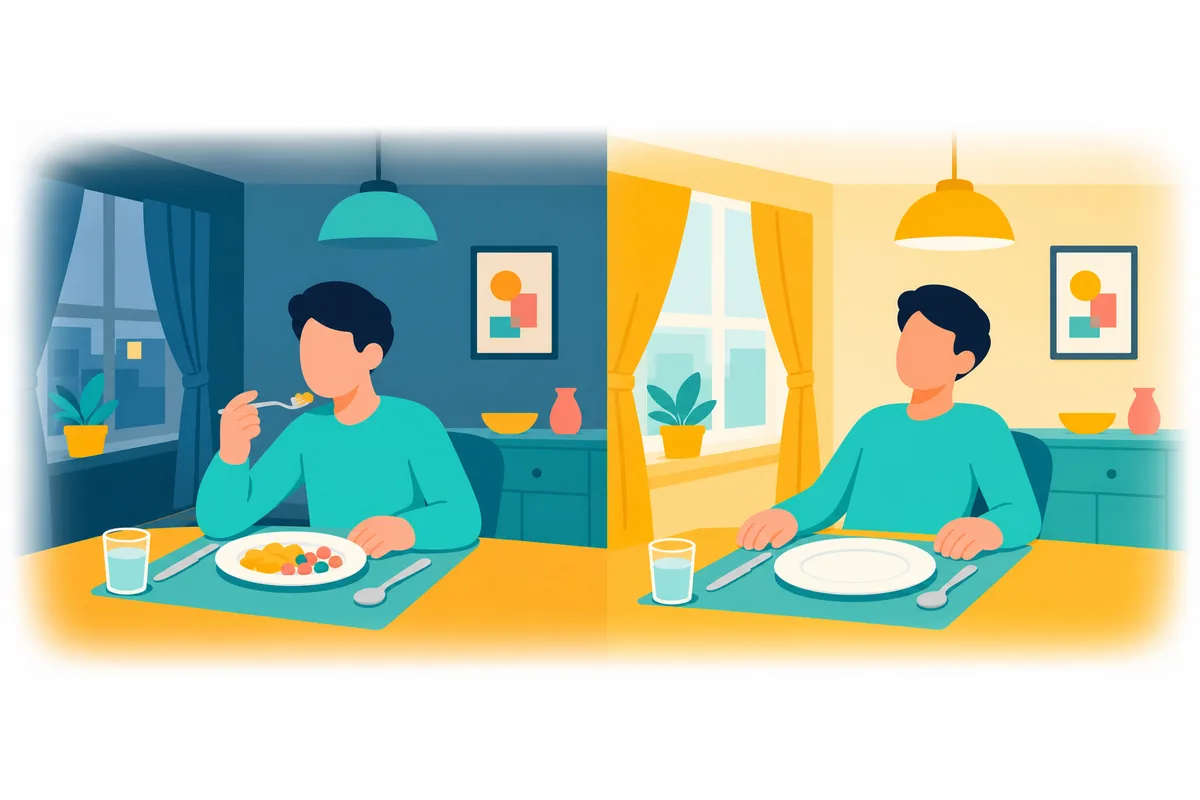
Have you finished your dinner?
Question form · Asking about state
①finishing dinner
→
②now (at this moment)
When to use it
Completed Actions
Use present perfect when an action finished recently and you want to show its relevance now.
"I have finished my assignment, so I can help you with yours."
Life Experiences
Use it to talk about things you have done at some point in your life, without specifying when.
"Have you ever tried sushi?"
Ongoing Situations
Use it for situations that started in the past and continue to the present moment.
"We have lived in London since 2018."
Recent Events
Use it to highlight recent activities with words like 'just', 'recently', or 'lately'.
"She has just arrived home from work."
Signal words
just
recently
lately
ever
never
already
yet
for
since
so far
this week
today
Common Mistakes
✕
Wrong
I have go to the market.
✓
Correct
I have gone to the market.
Use the past participle form (gone), not the base verb (go).
✕
Wrong
She has not finish her work.
✓
Correct
She has not finished her work.
The main verb must be in past participle form (finished), not simple past.
✕
Wrong
He have worked here for two years.
✓
Correct
He has worked here for two years.
Use 'has' (not 'have') with third-person singular subjects like 'he', 'she', 'it'.
KEY TAKEAWAYS
What to Remember
- Use 'have' with I/you/we/they and 'has' with he/she/it for the present perfect.
- The past participle is the third form of the verb, often ending in -ed.
- Present perfect connects past actions to the present moment or recent experiences.
- Use 'have/has' + past participle; never use just the past tense alone.
- Common mistake: don't use 'did' with past participles in present perfect sentences.