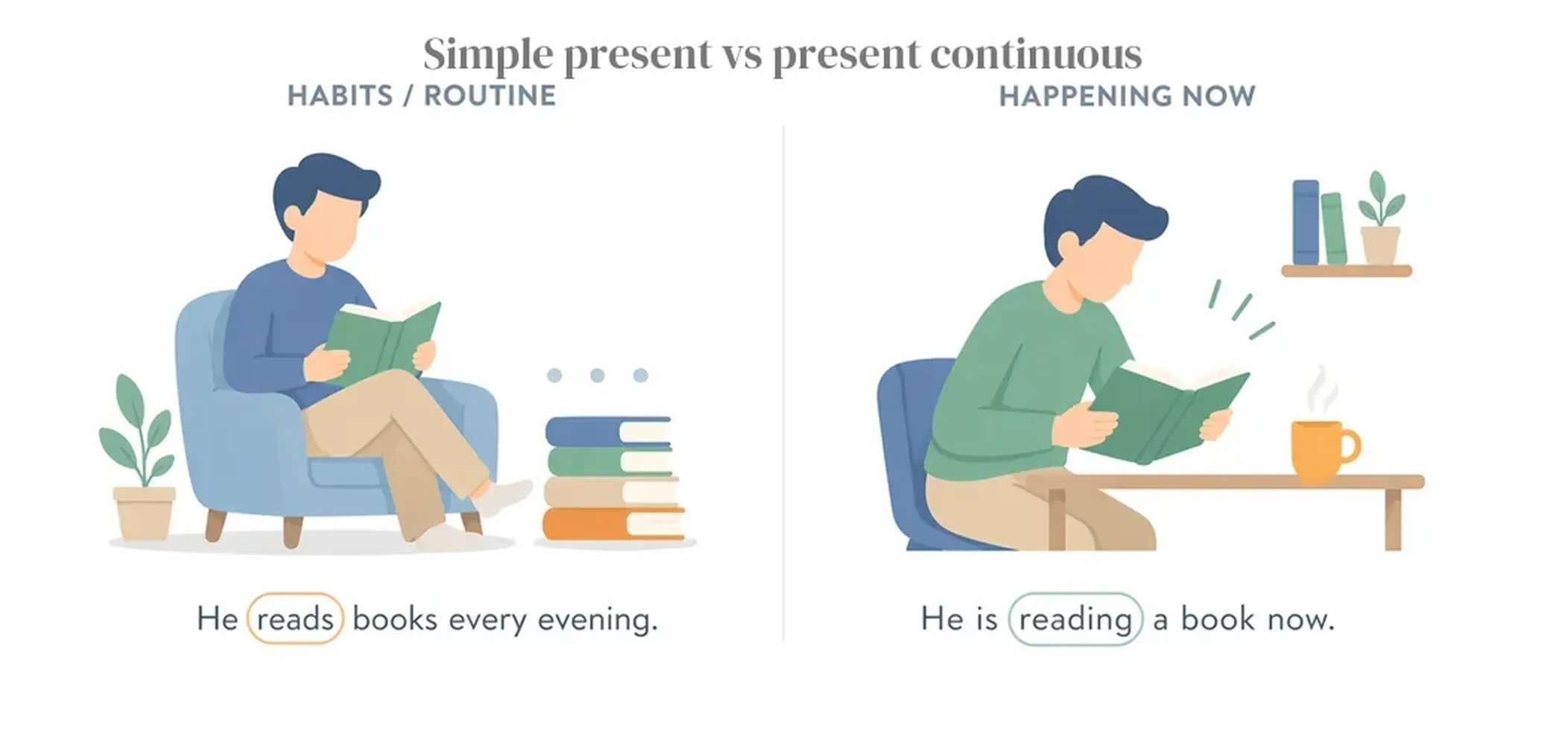
Simple Present vs Present Continuous
The simple present and present continuous are two different ways to talk about the present time. Simple present is for habits, routines, and facts that are always true. Present continuous is for actions happening right now. Learning when to use each one is important for speaking and writing English correctly.

When to Use Each Tense
Use simple present for things you do regularly, general facts, and things that don't change. Use present continuous for actions that are happening at this exact moment, temporary situations, and things you are doing now.
Simple Present vs Present Continuous: Side-by-Side Comparison
| Category | Simple Present | Present Continuous |
|---|---|---|
| Form | Subject + base verb (add -s/-es for third person singular) I/You/We/They + V He/She/It + V+s/es |
Subject + am/is/are + verb+-ing I + am + V-ing He/She/It + is + V-ing You/We/They + are + V-ing |
| When to use |
• Habitual or repeated actions • General truths and facts • Permanent situations • Scheduled future events • Instructions and directions |
• Actions happening right now, at this moment • Temporary situations in progress • Trends and changing situations • Plans or arrangements in the near future • Actions happening around the current period (not necessarily at this exact second) |
| Positive example |
• She reads a book every evening. • The sun rises in the east. • They work in a hospital. |
• She is reading a book right now. • The children are playing in the garden. • I am working on a new project this week. |
| Negative example |
• He does not (doesn't) eat meat. • They do not (don't) speak French. • She doesn't drive to work. |
• He is not (isn't) eating right now. • They are not (aren't) speaking at the moment. • She isn't driving today. |
| Question example |
• Do you drink coffee every morning? • Does she live near the school? • Do they play football on weekends? |
• Are you drinking coffee right now? • Is she living with her parents these days? • Are they playing football at the moment? |
| Key signal words | always, usually, often, sometimes, rarely, never, every day/week/year, on Mondays, in general, as a rule, normally, generally | now, right now, at the moment, currently, at present, today, this week/month/year, still, look!, listen!, these days, nowadays |
| Key Difference: The Simple Present describes actions that are habitual, repeated, or permanently true — things that happen regularly or are always the case (e.g., "She works every day."). The Present Continuous describes actions that are in progress at or around the moment of speaking — temporary, ongoing situations that are not yet complete (e.g., "She is working right now."). In short: Simple Present = routine/fact; Present Continuous = action in progress. | ||
Formula
✔ Positive
Subject
+
verb (base form)
+
object
I drink coffee every day.
✖ Negative
Subject
+
do/does not
+
verb (base form)
I do not drink coffee every day.
? Question
Do/Does
+
subject
+
verb (base form)
Do you drink coffee every day?
Examples
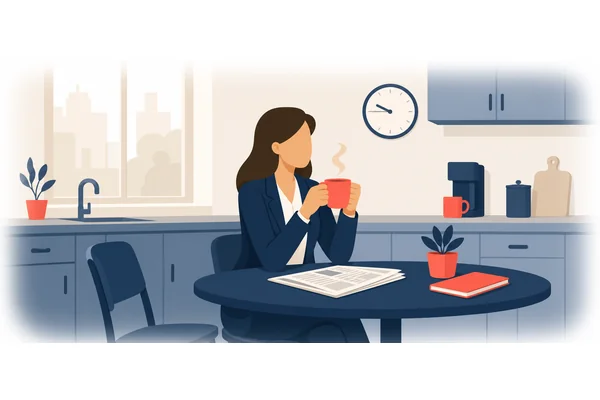
She drinks coffee every day before work.
Simple present · Habit
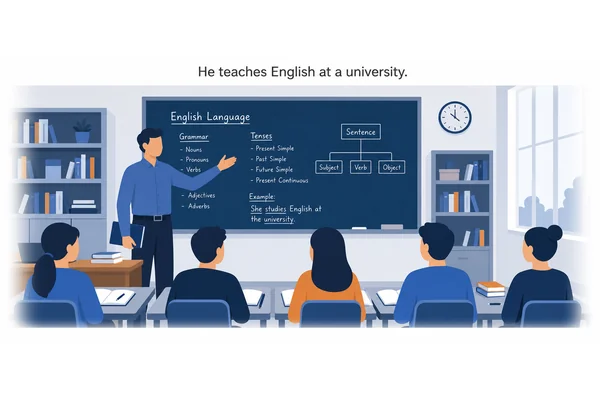
He teaches English at a university.
Simple present · Fact/Job
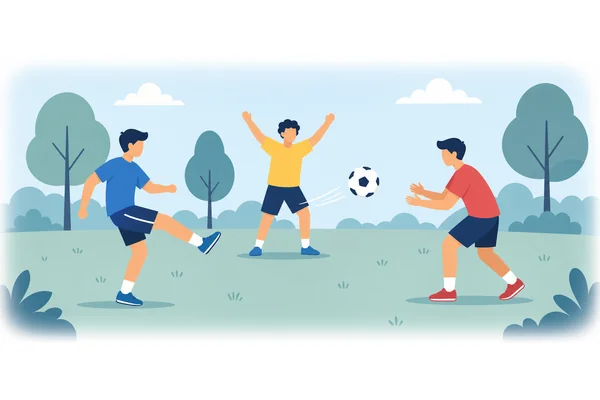
We play football on Sundays.
Simple present · Routine
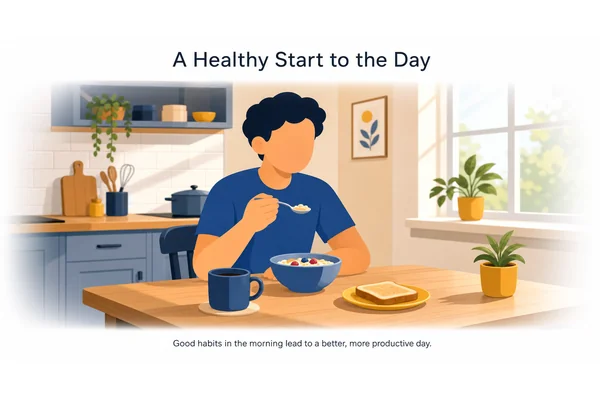
I am eating breakfast right now.
Present continuous · Action happening now
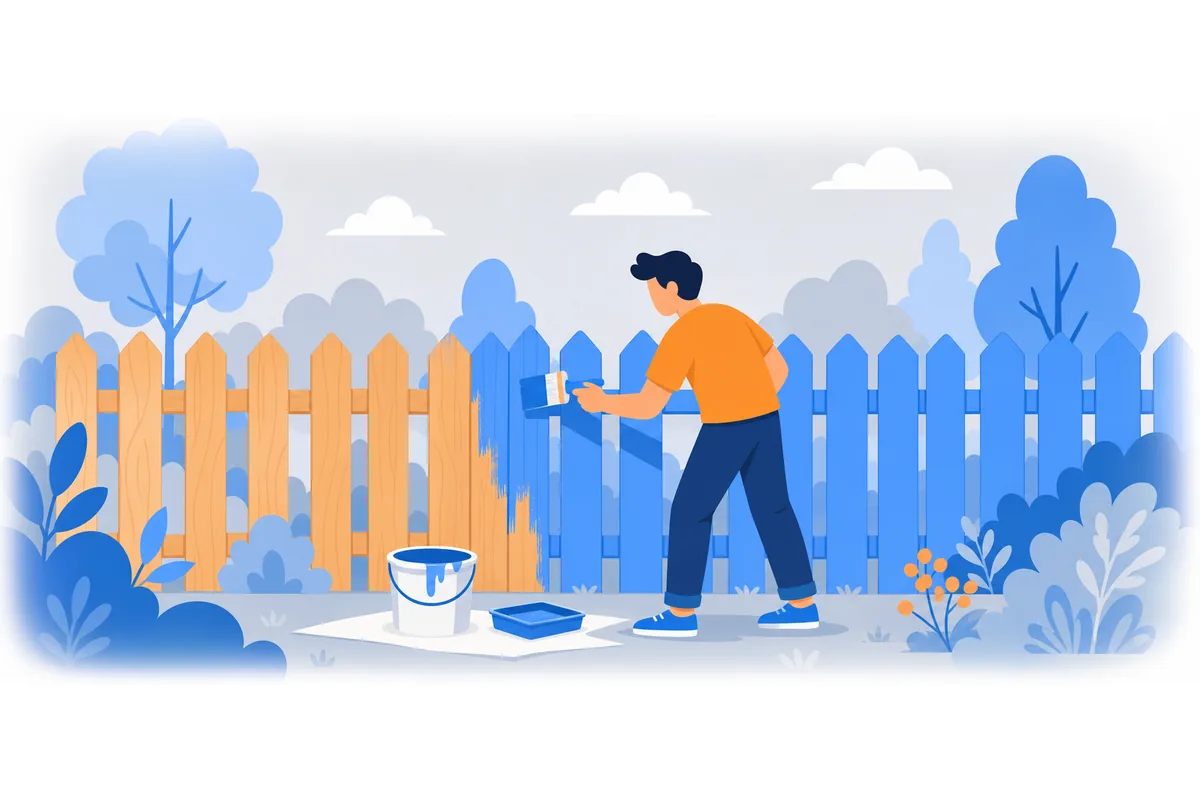
He is painting the fence in the garden right now.
Present continuous · Temporary action

We are playing football in the park.
Present continuous · Action in progress
When to use it
Daily Habits
Use simple present for things you do every day or regularly.
"I wake up at 7 o'clock."
Right Now
Use present continuous for actions happening at this exact moment.
"I am writing an email."
Jobs & Facts
Use simple present for your job and general facts about yourself.
"I am a teacher. I work in London."
Temporary Situations
Use present continuous for temporary actions or changes.
"I am learning English this year."
Signal words
every day
always
usually
never
sometimes
right now
at the moment
today (temporary)
now
look
listen
Common Mistakes
✕
Wrong
I am eating breakfast every morning.
✓
Correct
I eat breakfast every morning.
Everyday habits need simple present, not present continuous.
✕
Wrong
She reads a book now.
✓
Correct
She is reading a book now.
Actions happening at this moment need present continuous, not simple present.
✕
Wrong
He are playing football.
✓
Correct
He is playing football.
Use 'is' with 'he/she/it' in present continuous. 'Are' is only for 'you/we/they'.
KEY TAKEAWAYS
What to Remember
- Use simple present for habits, routines, and permanent facts.
- Use present continuous for actions happening right now at this moment.
- Simple present uses base verb; present continuous uses am/is/are + verb-ing.
- Don't use present continuous with stative verbs like want, like, or know.
- Simple present with adverbs of frequency goes before main verb.