Understanding the Three Main Past Tenses
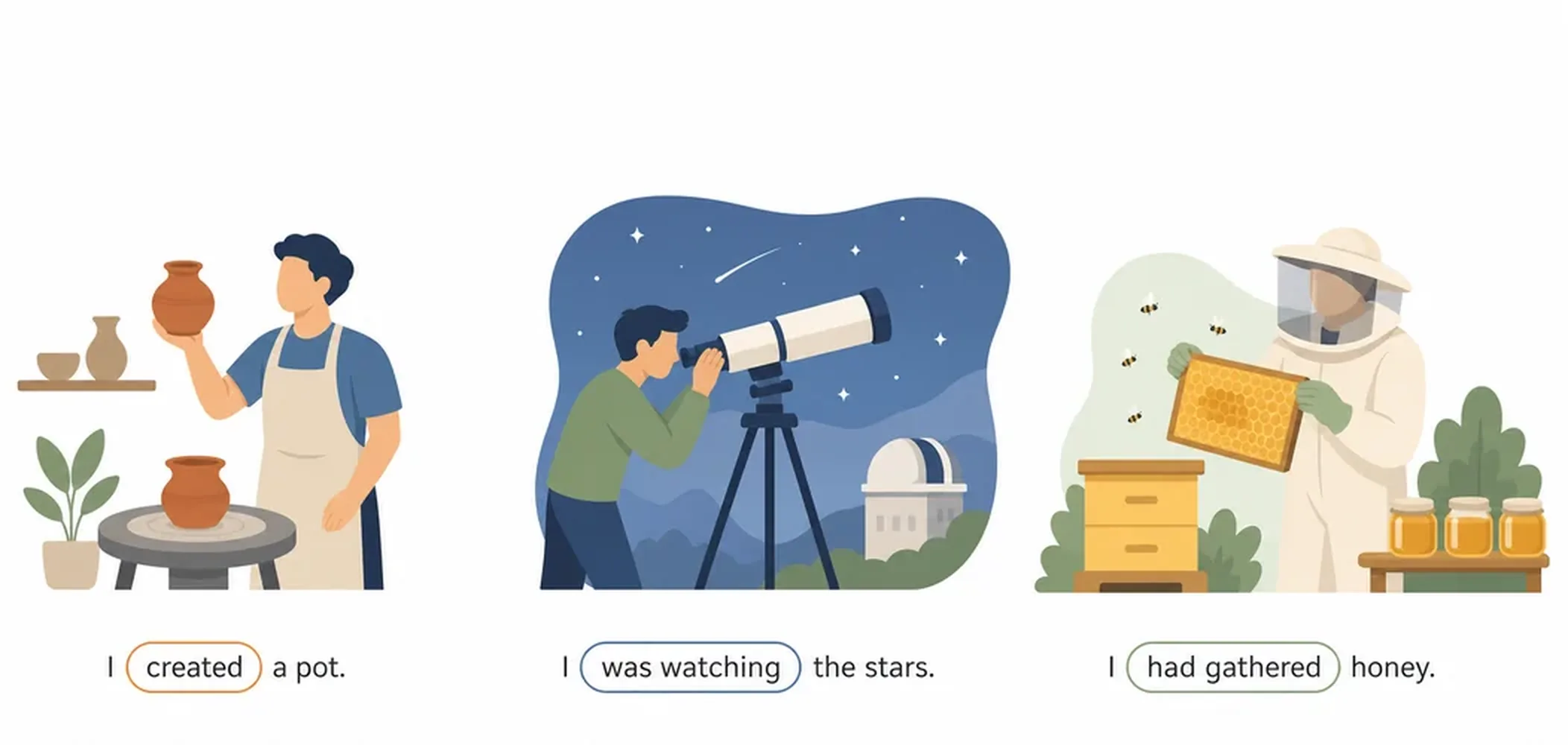
English speakers use three primary past tenses to express different relationships between past events and time. The past simple describes completed actions at a specific time; the past continuous shows actions in progress during a particular moment; the past perfect indicates an action that finished before another past event. Choosing the correct tense depends on whether you're describing a finished action, an ongoing situation, or the sequence of events.

Past Simple vs. Past Continuous
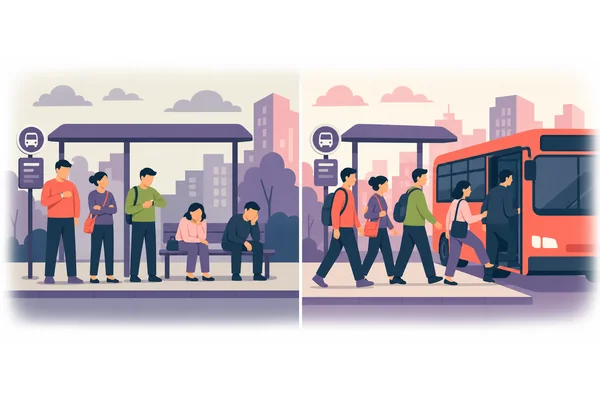
Use the past simple for actions that occurred and ended at a definite time in the past. Use the past continuous for actions that were in progress when something else happened, or to set the scene for a story. The past continuous emphasises the duration or background of an action, while the past simple emphasises completion.
Past Perfect vs. Past Simple
The past perfect describes an action that happened before another past action. It shows the sequence or priority of two past events. When only one past event is mentioned, use the past simple. The past perfect becomes essential when you need to clarify which event occurred first, particularly in narratives with multiple past actions.
Past Perfect Continuous: The Extended Background
The past perfect continuous emphasises the duration of an action that continued up until another past moment. It answers 'How long had this been happening?' rather than 'What happened?' Use it when the length or continuous nature of a past action is important to your meaning.
Quick Reference Guide
Create a mental timeline: past simple = a point; past continuous = a period with an interruption; past perfect = two points with one clearly before the other; past perfect continuous = a duration leading up to another past moment. Visualising events on a timeline helps you select the most accurate tense.
Past Tenses Compared at a Glance
| Criterion | Past Simple | Past Continuous | Past Perfect | Past Perfect Continuous |
|---|---|---|---|---|
| Form | Subject + verb-ed / irregular past form (e.g. walked, went) |
Subject + was/were + verb-ing (e.g. was walking, were eating) |
Subject + had + past participle (e.g. had walked, had gone) |
Subject + had been + verb-ing (e.g. had been walking, had been studying) |
| When to use | Completed actions or events at a specific time in the past; a sequence of past events; habits or states that no longer exist. | An action in progress at a specific moment in the past; a background action interrupted by another; two simultaneous past actions. | An action completed before another past action or time; to show which of two past events happened first. | A continuous action that began before a past moment and was still ongoing or had just ended; emphasises duration leading up to a past point. |
| Time focus | A definite, completed point or period in the past. | A specific moment in the past during which the action was ongoing. | "Earlier past" — before another past action or reference point. | "Earlier past" — duration and continuity leading up to another past point. |
| Positive example | She finished her report yesterday. | She was writing her report when the power went out. | She had finished her report before the meeting started. | She had been writing her report for two hours when the power went out. |
| Negative example | He didn't call me last night. | He wasn't sleeping when I arrived. | He hadn't eaten anything before the show began. | He hadn't been feeling well for days before he saw the doctor. |
| Question example | Did they visit Rome last summer? | Were they travelling through Rome at that time? | Had they visited Rome before the trip ended? | Had they been travelling for long before they reached Rome? |
| Key signal words | yesterday, last (week/year), ago, in (2010), once, then, finally, first … then | while, when, as, at that moment, at (7 o'clock), all day/morning, still | already, just, never … before, after, by the time, once, before, when (+ simple past) | for, since, how long, all day/week, before, until, when (+ simple past) |
| Key Difference: Use the Past Simple for a completed action with a clear past time reference. Switch to the Past Continuous when you want to show that an action was in progress at a particular past moment or was interrupted. Use the Past Perfect to establish that one past event happened before another — it creates a "further back" layer in the past. The Past Perfect Continuous adds the idea of ongoing duration up to that earlier point, emphasising how long something had been happening rather than just that it had happened. In short: simple = fact completed; continuous = action in progress; perfect = earlier completion; perfect continuous = earlier ongoing duration. | ||||
Examples





What to Remember
- Use past simple for completed actions finished at a specific time in the past.
- Use past continuous for actions in progress at a particular moment in the past.
- Use past perfect for actions completed before another past event occurred.
- Choose your tense based on whether actions are finished, ongoing, or sequential.
- Avoid mixing tenses illogically; sequence matters when describing multiple past events together.