
Can vs Could: The Main Difference
Both 'can' and 'could' are modal verbs, but they have different uses. 'Can' is the present form and shows current ability or permission. 'Could' is the past form, but it also has special uses in the present: to show past ability, to make polite requests, or to express possibility. Understanding when to use each one will help you communicate more naturally and correctly in English.
When to Use 'Can'
Use 'can' to talk about ability or possibility right now, or to ask for and give permission in the present. 'Can' is direct and informal. Examples: 'I can speak three languages' (current ability), 'Can I use your pen?' (asking permission), 'You can leave early today' (giving permission).
When to Use 'Could'
Use 'could' to talk about past ability or possibility. It is also more polite than 'can' for requests and suggestions in the present. Examples: 'I could speak Spanish when I was young' (past ability), 'Could you help me?' (polite request), 'We could meet tomorrow' (suggestion). 'Could' sounds more formal and respectful.
Quick Tip
Remember: 'can' = now, 'could' = was/will/polite. If you are talking about something happening right now, or about general facts, use 'can'. If you want to sound polite, talk about the past, or suggest something, use 'could'.
Can vs Could: Side-by-Side Comparison
| Category | Can | Could |
|---|---|---|
| Form | Base modal verb (present tense form). Followed by the base infinitive of the main verb (e.g. can swim). | Past tense form of can and a conditional modal. Also followed by the base infinitive (e.g. could swim). |
| When to use |
• Present or future ability • General permission (informal) • Requests (informal, direct) • Strong possibility or likelihood |
• Past ability • Polite or tentative requests • Conditional or hypothetical situations • Weaker or uncertain possibility • Suggestions |
| Time reference | Present or future | Past, hypothetical future, or polite present |
| Formality level | Informal to neutral | More formal and polite; softer tone |
| Positive example | "She can speak three languages." (present ability) | "When he was young, he could run very fast." (past ability) |
| Negative example | "I can't attend the meeting today." (present inability) | "She couldn't understand the instructions." (past inability) |
| Question example | "Can you help me with this?" (direct, informal request) | "Could you please help me with this?" (polite, formal request) |
| Possibility usage | "That can be the solution." — strong, more certain possibility | "That could be the solution." — weaker, less certain possibility |
| Conditional / hypothetical | Not typically used for hypothetical or unreal situations. | "If I had more time, I could learn piano." |
| Suggestions | Rarely used alone for suggestions. | "You could try restarting the device." |
| Key signal words | Now, today, at the moment, in general, always, usually | When I was…, back then, yesterday, if…, perhaps, maybe, possibly |
| 🔑 Key Difference: Can expresses definite present or future ability, direct permission, and strong possibility in a neutral or informal register. Could is its past tense form but also functions as a softer, more polite, or more tentative alternative — used for past ability, uncertain possibility, hypothetical situations, polite requests, and suggestions. When in doubt about politeness or certainty, choose could; when stating a clear, present-tense fact or making a casual request, choose can. | ||
Examples


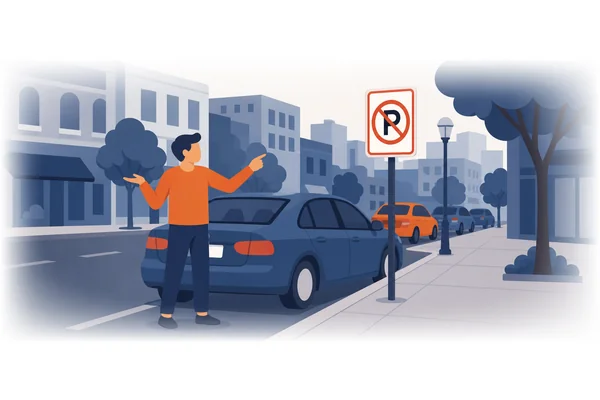



What to Remember
- Use 'can' for present ability, permission, or what is possible now.
- Use 'could' for past ability or to make polite requests in present.
- 'Could' also expresses present possibility, whereas 'can' shows definite current ability.
- Don't confuse 'could' with past tense; it has special present uses.
- Both are modal verbs, but 'can' is present and 'could' is past.