What is Passive Voice in Past Tenses?
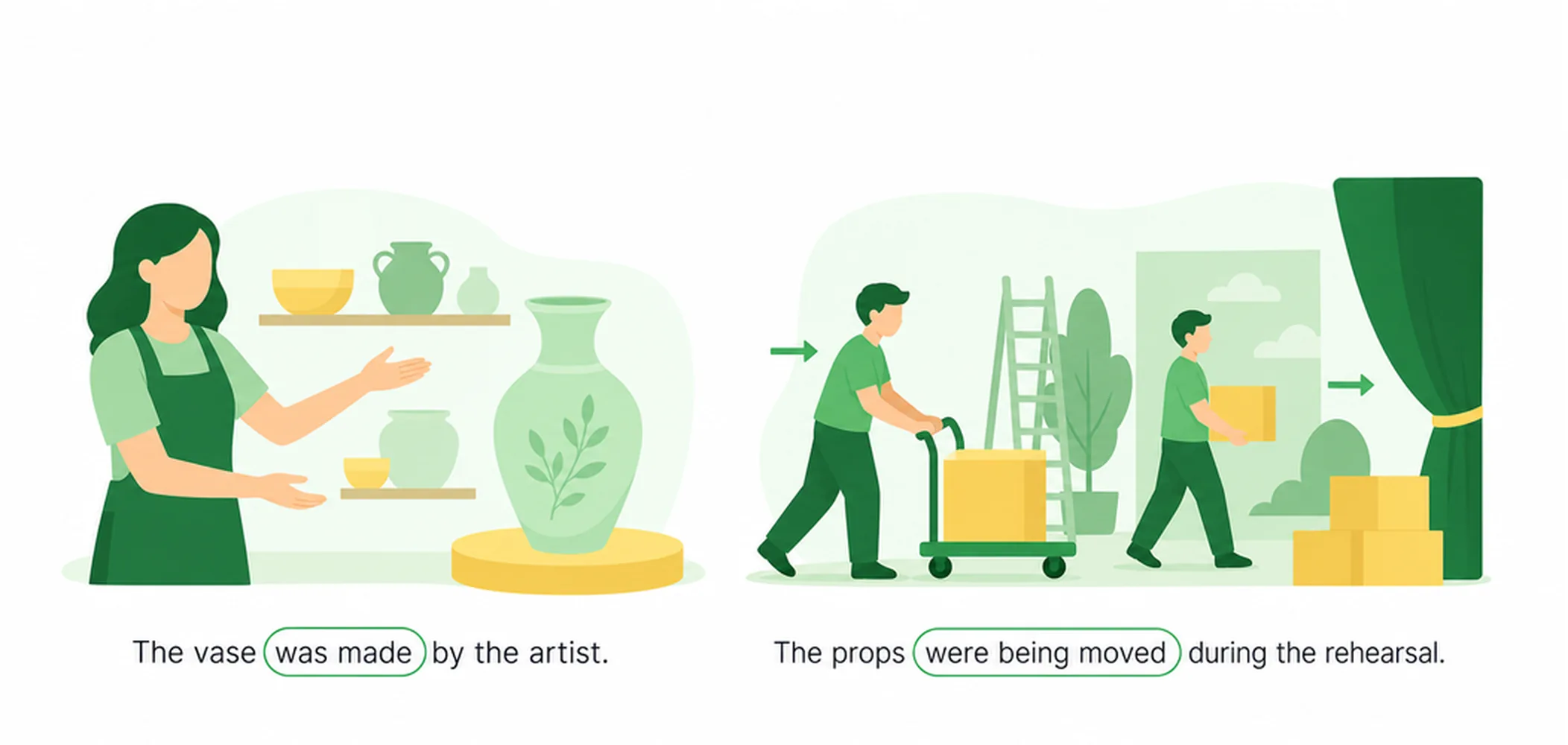
The passive voice allows us to focus on the action or the object receiving the action rather than the person doing it. In past tenses, we use passive voice to describe completed or ongoing actions in the past without emphasizing who performed them. This is useful in storytelling, news reporting, and formal writing. The structure changes the word order and uses the past tense of 'be' plus the past participle of the main verb.
Three Common Past Passive Forms
| Form | Structure | Use |
|---|---|---|
| Simple Past Passive | was/were + past participle | Describes a completed action in the past |
| Past Continuous Passive | was/were + being + past participle | Describes an action that was in progress at a specific time in the past |
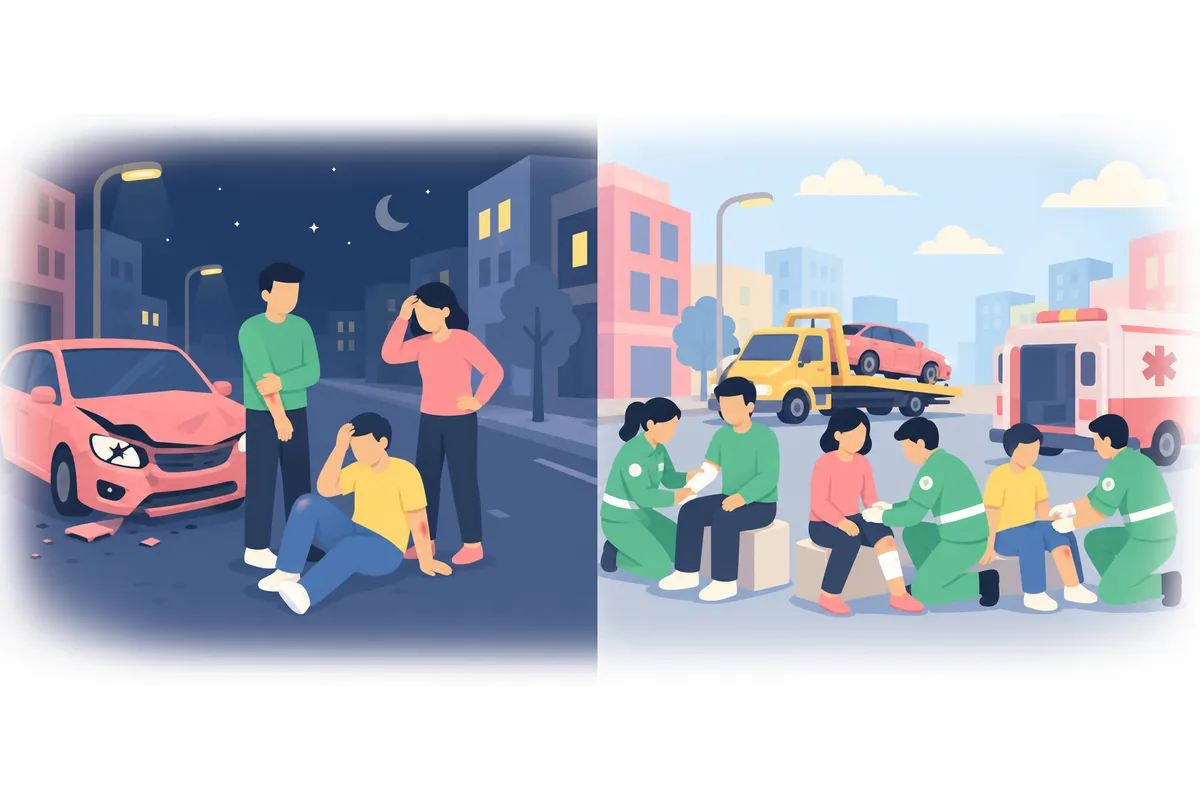
| Past Perfect Passive | had + been + past participle | Describes an action that was completed before another action in the past |
Each form serves a different purpose in expressing when a past action occurred or how it relates to other past events. Understanding when to use each form helps you communicate more naturally and accurately in English.
Why Use Past Passive Voice?
We use past passive voice when the action is more important than the person who did it, when we don't know who performed the action, or in formal contexts like news reports and academic writing. For example, instead of saying 'Someone built this house in 1920,' we say 'This house was built in 1920.' The passive voice makes writing flow better and allows us to avoid awkward or unnecessary agent information.
Past Passive Forms by Tense
| Simple Past Passive (was / were + past participle) | |||
|---|---|---|---|
| Pronoun | Positive | Negative | Question |
| I | I was invited | I was not invited I wasn't invited |
Was I invited? |
| You (singular) | You were invited | You were not invited You weren't invited |
Were you invited? |
| He / She / It | He was invited She was invited It was built |
He was not invited She wasn't invited It wasn't built |
Was he invited? Was she invited? Was it built? |
| We | We were invited | We were not invited We weren't invited |
Were we invited? |
| You (plural) | You were invited | You were not invited You weren't invited |
Were you invited? |
| They | They were invited | They were not invited They weren't invited |
Were they invited? |
| ⓘ Note: Use was with I, he, she, it and were with you, we, they. The past participle of irregular verbs must be memorised (e.g. build → built, write → written, steal → stolen, break → broken, know → known). Regular verbs simply add -ed. | |||
| Past Continuous Passive (was / were + being + past participle) | |||
|---|---|---|---|
| Pronoun | Positive | Negative | Question |
| I | I was being watched | I was not being watched I wasn't being watched |
Was I being watched? |
| You (singular) | You were being watched | You were not being watched You weren't being watched |
Were you being watched? |
| He / She / It | He was being watched She was being watched It was being repaired |
He was not being watched She wasn't being watched It wasn't being repaired |
Was he being watched? Was she being watched? Was it being repaired? |
| We | We were being watched | We were not being watched We weren't being watched |
Were we being watched? |
| You (plural) | You were being watched | You were not being watched You weren't being watched |
Were you being watched? |
| They | They were being watched | They were not being watched They weren't being watched |
Were they being watched? |
| ⓘ Note: The fixed word being never changes. This tense stresses that an action was in progress at a specific past moment (e.g. The bridge was being built when the storm hit). Common irregular past participles used here: watch → watched (regular), repair → repaired (regular), drive → driven, teach → taught, hold → held. | |||
| Present Perfect Passive (have / has + been + past participle) | |||
|---|---|---|---|
| Pronoun | Positive | Negative | Question |
| I | I have been told | I have not been told I haven't been told |
Have I been told? |
| You (singular) | You have been told | You have not been told You haven't been told |
Have you been told? |
| He / She / It | He has been told She has been told It has been stolen |
He has not been told She hasn't been told It hasn't been stolen |
Has he been told? Has she been told? Has it been stolen? |
| We | We have been told | We have not been told We haven't been told |
Have we been told? |
| You (plural) | You have been told | You have not been told You haven't been told |
Have you been told? |
| They | They have been told | They have not been told They haven't been told |
Have they been told? |
| ⓘ Note: Use has been with he, she, it and have been with I, you, we, they. The word been is the past participle of be and never changes. Key irregular past participles: tell → told, steal → stolen, write → written, give → given, <span style="font-family:monospace;font-size: | |||
Examples





What to Remember
- Use past tense 'be' (was/were) plus past participle to form past passive voice.
- Past passive focuses on the action or object, not who performed it.
- Simple Past Passive (was/were + past participle) is the most common past passive form.
- Don't use the active voice subject; rearrange the sentence to emphasize the action.
- Past passive is essential in storytelling, news reporting, and formal academic writing.